Tell us about the job
Takes about a minute. No obligation.
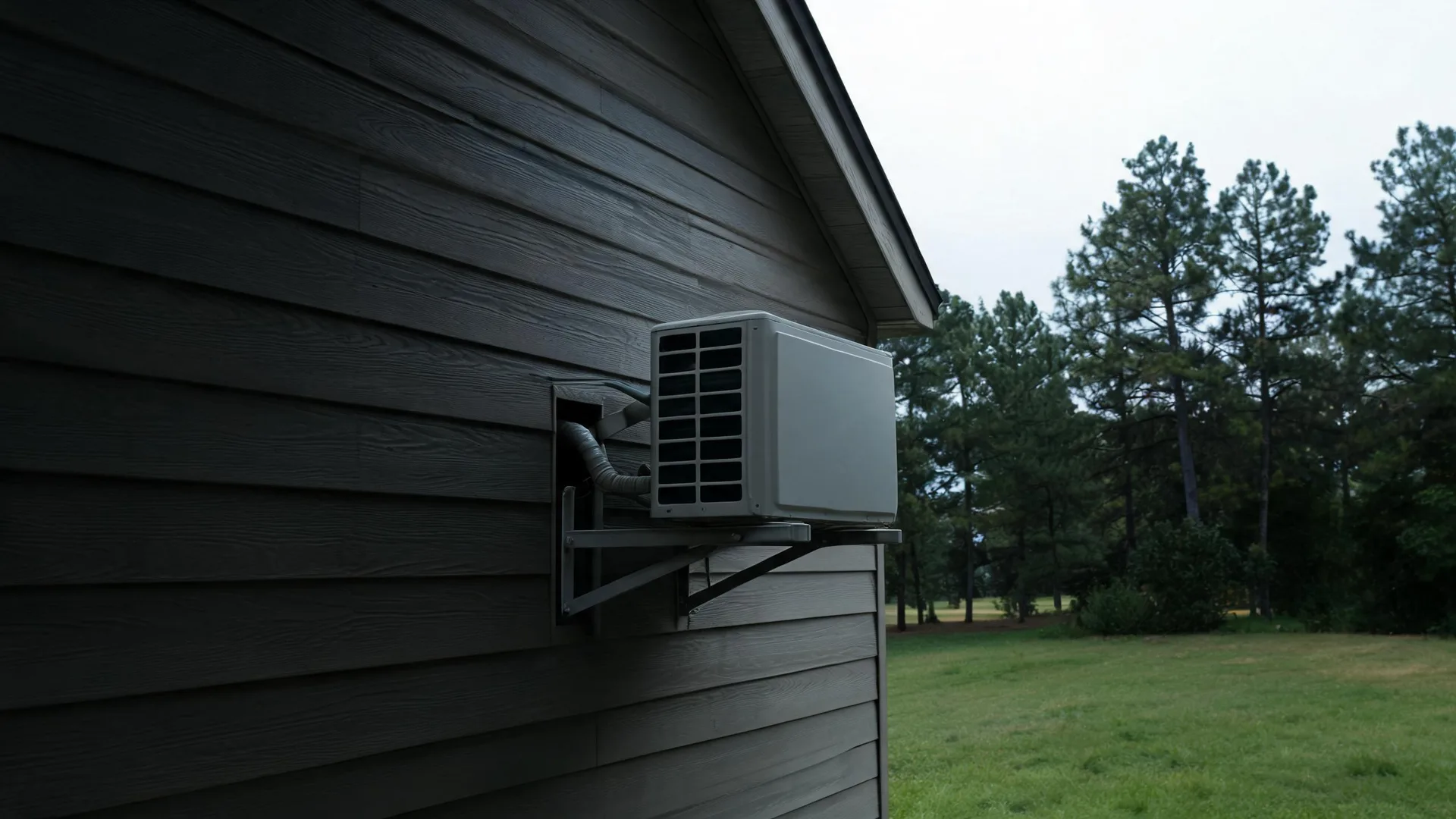
A mini-split that needs repair in Martin County has almost certainly spent more of its life fighting poor installation or gradual wear than fighting severe weather. 72 severe weather events were recorded in Martin County, North Carolina between 2015 and 2024. At that rate, storms are an occasional interruption, not the steady load that grinds down compressors and refrigerant lines. A contractor scoping the repair will check the condition of the electrical connections, the state of the refrigerant charge, and how the indoor head was originally mounted, because those are the factors that decide what failed and what the fix costs.
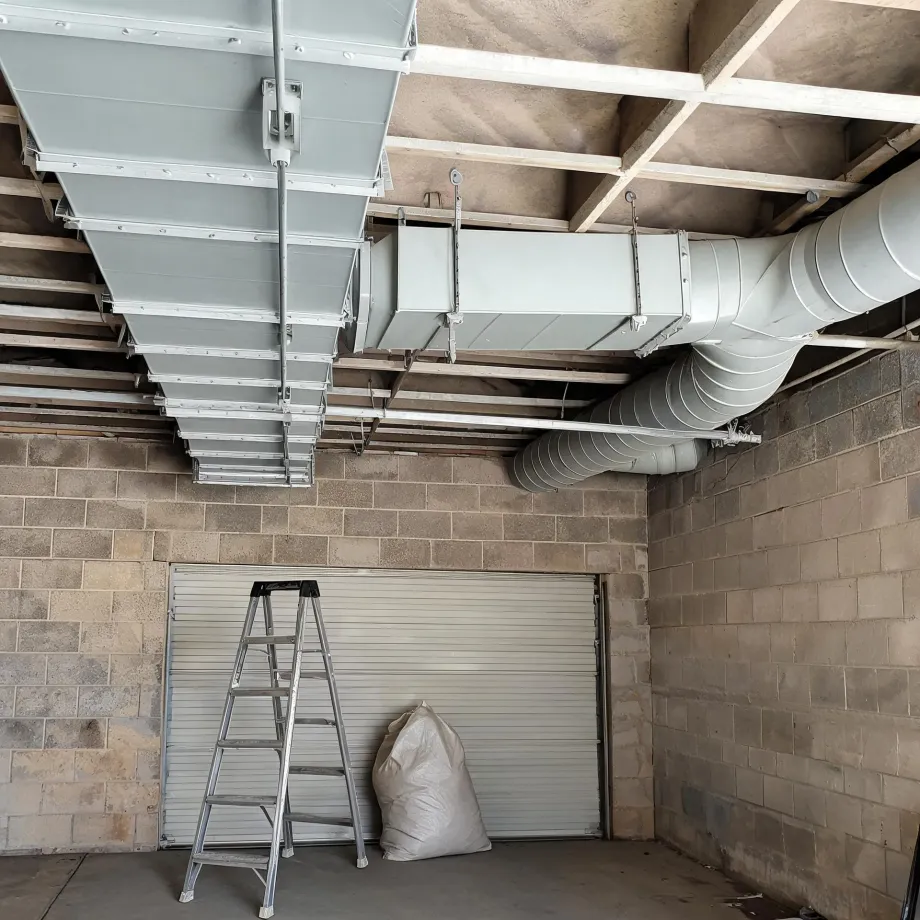
Older wiring routed to where a mini-split now sits was put in for something else, and what it can actually carry is a question a contractor has to answer before the repair scope is clear. Half the homes in Martin County, North Carolina were built in 1975 or earlier (2020-2024 ACS 5-year). That vintage of housing arrived well before mini-splits were a common choice, so the circuits feeding these units were adapted rather than designed for them. When a unit opens, the repair question and the electrical question often turn out to be the same question: what the system is drawing versus what the circuit was built to give it.
The Parts of a Mini-Split a Contractor Checks During Repair
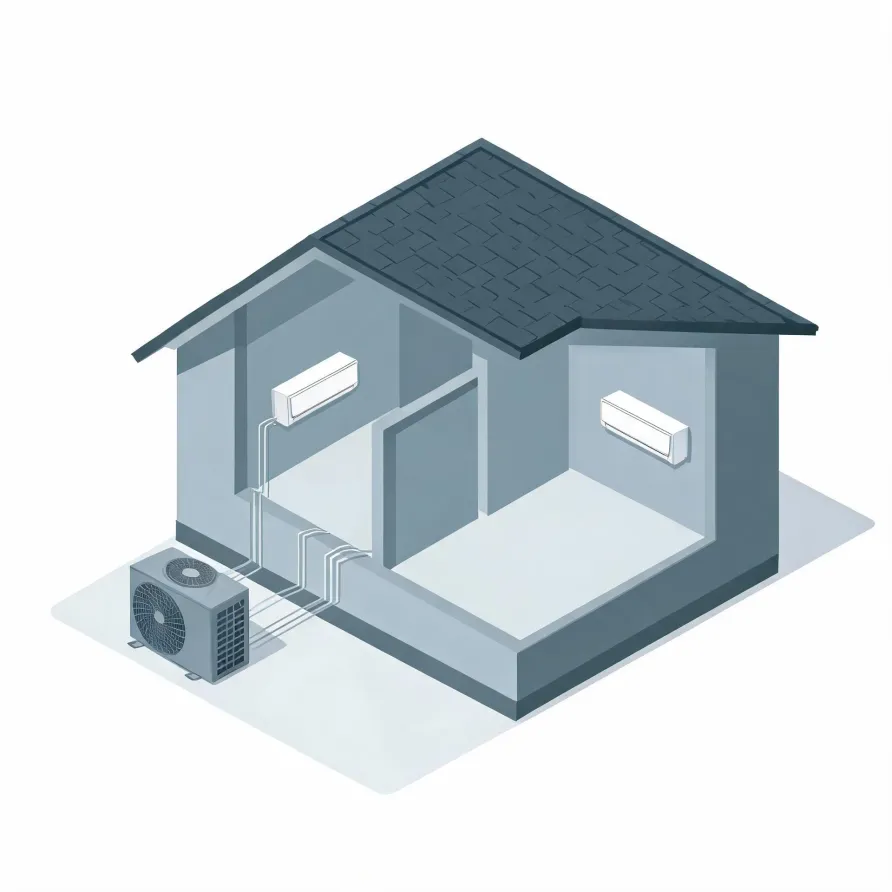
The indoor air handler mounts high on a wall inside the room and is the piece a homeowner notices first. It holds the evaporator coil, a blower fan, and a filter, and any of those can be the source of a problem. A refrigerant leak, a frozen coil, a failed fan motor, or a clogged filter all trace back to this unit.
The outdoor condenser unit sits on a pad or bracket outside the house and houses the compressor and the condenser coil. Connecting the two units is the refrigerant line set, which runs through the wall alongside a condensate drain line and the power and communication wiring. A contractor checks the condenser, compressor, and line set for leaks, electrical faults, and pressure issues when the indoor unit alone does not explain the symptom.
The drawing shows a typical layout, and a licensed contractor determines which components apply to your specific system and home.
Find a contractor in Martin CountyMartin County, by the numbers
72 severe weather events were recorded in Martin County, North Carolina between 2015 and 2024.
NOAA National Centers for Environmental Information, Storm Events Database, bulk CSV export, events 2015-01-01 through 2024-12-31.Half the homes in Martin County, North Carolina were built in 1975 or earlier (2020-2024 ACS 5-year).
U.S. Census Bureau, 2020-2024 American Community Survey 5-Year EstimatesMartin County, North Carolina holds 11,058 housing units (2020-2024 ACS 5-year).
U.S. Census Bureau, 2020-2024 American Community Survey 5-Year EstimatesOwners occupy 66.8% of the occupied homes in Martin County, North Carolina (2020-2024 ACS 5-year).
U.S. Census Bureau, 2020-2024 American Community Survey 5-Year EstimatesRepair Rules for Mini-Split Work in Martin County, North Carolina2 sourced codes and standards
What Martin County, North Carolina Requires for HVAC Repair Work
North Carolina issues Class I heating licenses covering all systems in all structures, and Class II licenses covering heating systems in single-family detached residential dwellings.
North Carolina requires a license before any person or firm may engage in, or offer to engage in, the business of heating contracting.
Severe Weather Events in Martin County
Weather puts hours on HVAC equipment. Mini-split systems in Martin County absorb whatever the local climate delivers, and that load shapes how often repair work becomes necessary.
72 severe weather events, 2015–2024. Source: NOAA National Centers for Environmental Information, Storm Events Database.