Tell us about the job
Takes about a minute. No obligation.
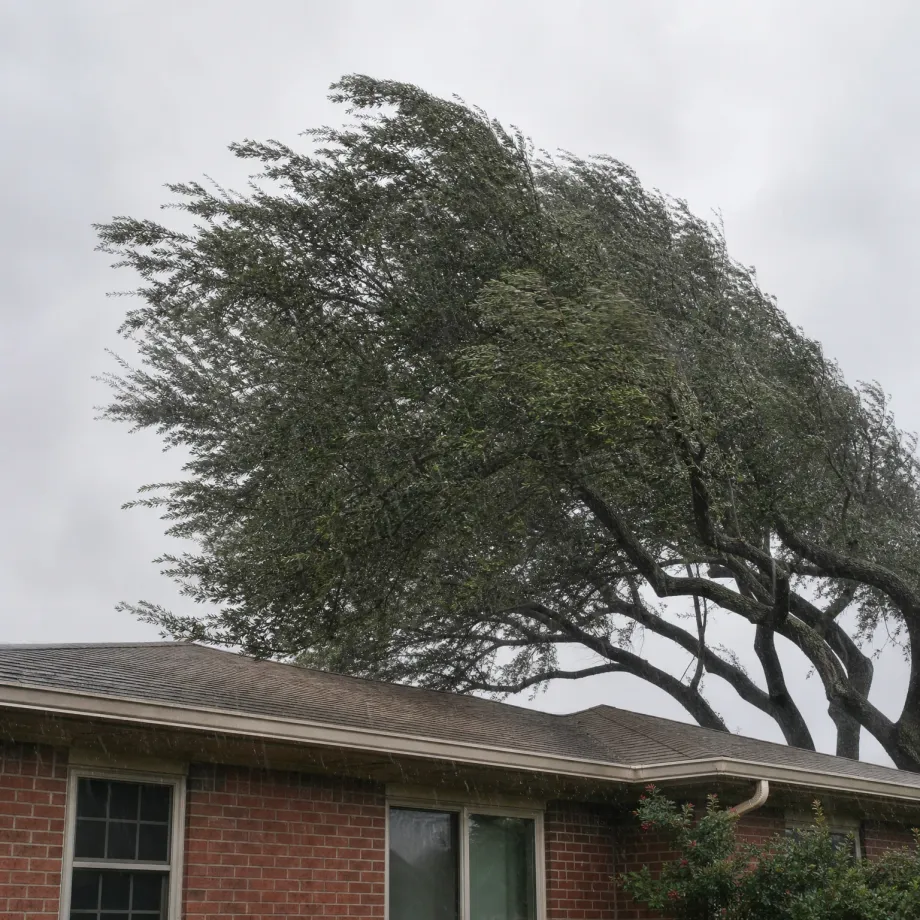
A mini-split that stops cooling or heating in Washington County is almost certainly not a weather casualty. 50 severe weather events were recorded in Washington County, North Carolina between 2015 and 2024. At that rate, severe weather is an occasional event in a system's life, not the steady grind that wears out compressors or coil contacts. A contractor quoting a repair here will look first at how old the unit is, how it was mounted and charged at install, and whether the refrigerant circuit has been maintained. Those are the factors that decide what failed and what the repair costs.
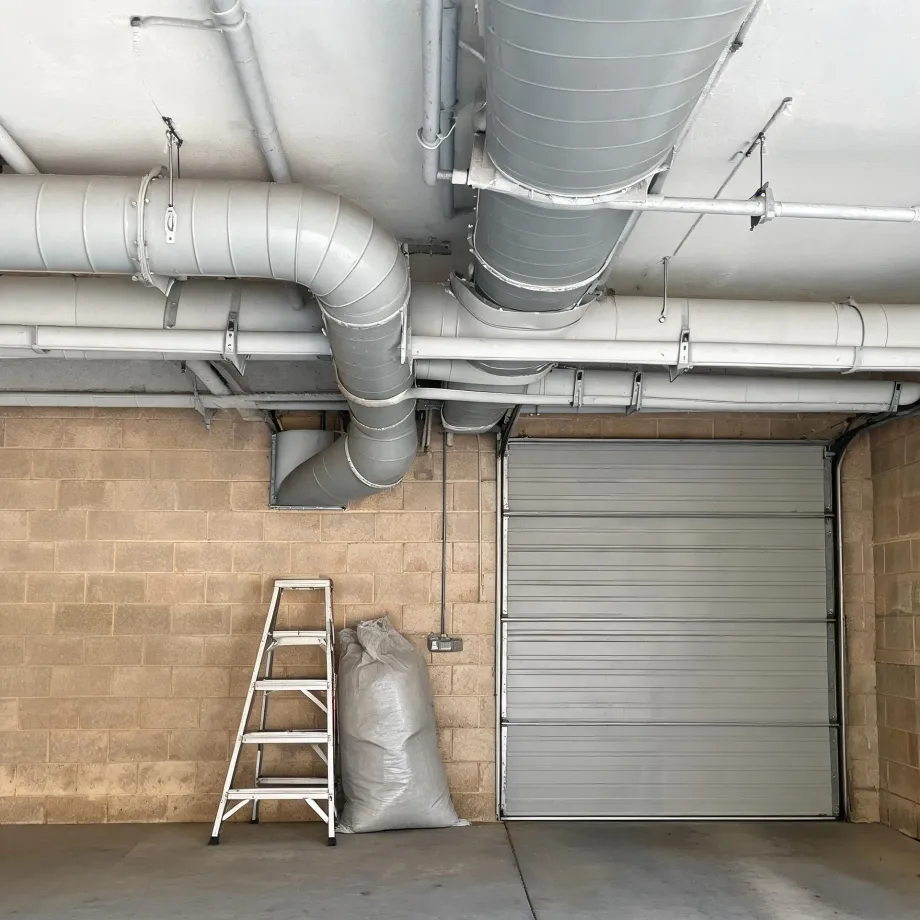
Half the homes in Washington County, North Carolina were built in 1975 or earlier (2020-2024 ACS 5-year). A mini-split sitting in a house from that era was almost certainly retrofitted into a structure that started life without it, which means the refrigerant lines, the mounting, and the electrical feed were adapted to the unit rather than built for it. When something fails, a contractor opening the equipment has to account for whether the parts that system takes are still in production. Older refrigerant specs and discontinued component lines are the variables that decide whether a repair closes in one visit or stretches into a sourcing problem.
The Parts of a Mini-Split a Contractor Checks During Repair
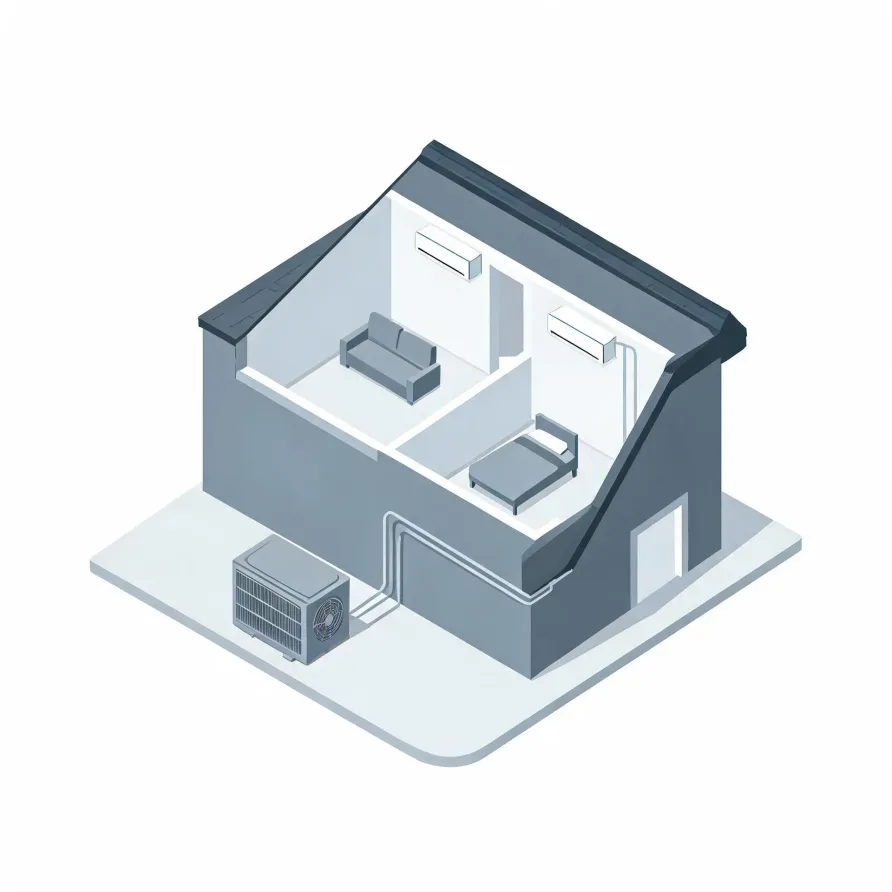
The indoor air handler mounts high on a wall inside the room and is where most visible problems show up first: ice buildup, weak airflow, or water dripping from the unit. Inside it sit the evaporator coil, the blower wheel, and the drainage components, any of which can be the source of a fault. The outdoor condenser unit, which sits on a pad or bracket outside the house, holds the compressor and the condenser coil, and both are common starting points when a system stops cooling or heating altogether.
Running between the two units is the refrigerant line set, a pair of insulated copper tubes that a contractor will inspect for leaks or damage when the system loses its ability to condition air. A control board inside the indoor unit manages signals between components, and a failed board can mimic the symptoms of several other faults, which is why a contractor works through the system methodically before replacing any single part.
The drawing shows a typical mini-split layout, and a licensed contractor determines which components apply to your specific installation.
Find a contractor in Washington CountyWashington County, NC, by the numbers
50 severe weather events were recorded in Washington County, North Carolina between 2015 and 2024.
NOAA National Centers for Environmental Information, Storm Events Database, bulk CSV export, events 2015-01-01 through 2024-12-31.Half the homes in Washington County, North Carolina were built in 1975 or earlier (2020-2024 ACS 5-year).
U.S. Census Bureau, 2020-2024 American Community Survey 5-Year EstimatesWashington County, North Carolina holds 6,040 housing units (2020-2024 ACS 5-year).
U.S. Census Bureau, 2020-2024 American Community Survey 5-Year EstimatesOwners occupy 68.0% of the occupied homes in Washington County, North Carolina (2020-2024 ACS 5-year).
U.S. Census Bureau, 2020-2024 American Community Survey 5-Year EstimatesCodes & Standards Behind Mini-Split Repair in Washington County, North Carolina2 sourced rules and standards
Licensing and Legal Requirements in Washington County, North Carolina
North Carolina issues Class I heating licenses covering all systems in all structures, and Class II licenses covering heating systems in single-family detached residential dwellings.
North Carolina requires a license before any person or firm may engage in, or offer to engage in, the business of heating contracting.
Severe Weather Events in Washington County
Weather puts direct stress on heating and cooling equipment, and that stress accumulates over time. How hard the local climate pushes a mini-split shapes how often it needs attention and what kind.
50 severe weather events, 2015–2024. Source: NOAA National Centers for Environmental Information, Storm Events Database.