Tell us about the job
Takes about a minute. No obligation.
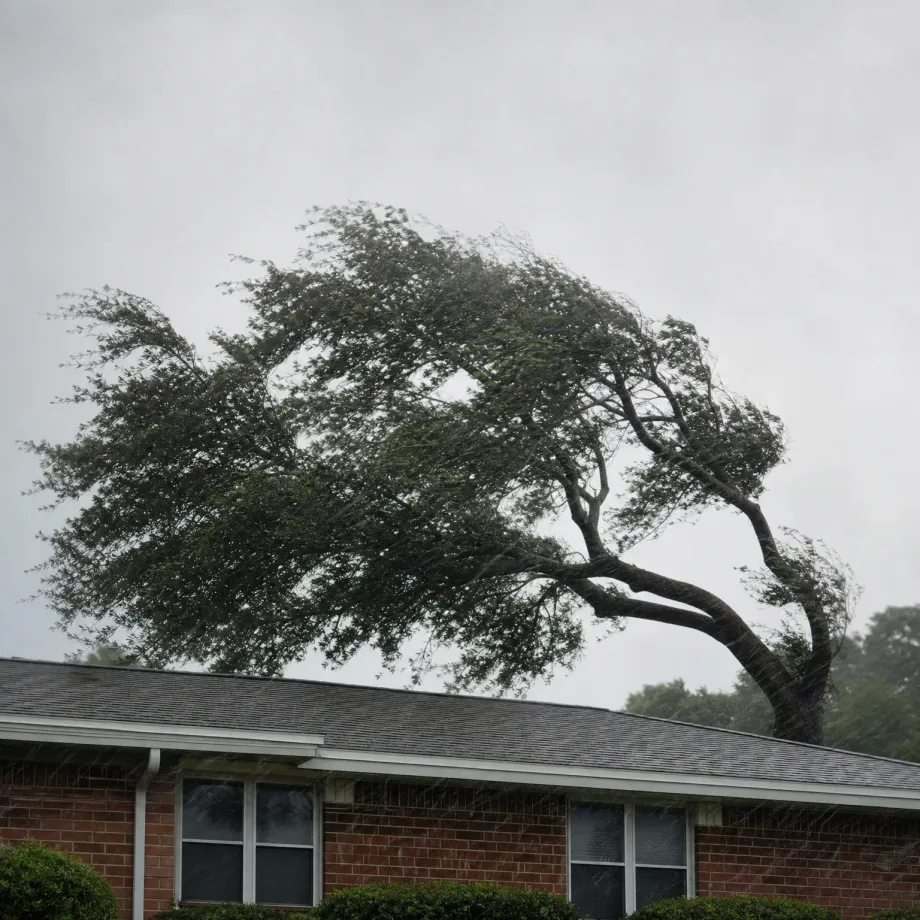
A contractor quoting a mini-split repair in Pitt County has to separate what the weather has done from what time and installation quality have done. 102 severe weather events were recorded in Pitt County, North Carolina between 2015 and 2024. That puts this area in the middle of the national range, meaning severe weather is a genuine presence but not so relentless that it crowds out every other cause. Capacitors, fan motors and refrigerant connections wear on their own schedule, and in a county with a record like this one, age and how cleanly the system was first installed are the likeliest explanations a contractor confirms before anything else.
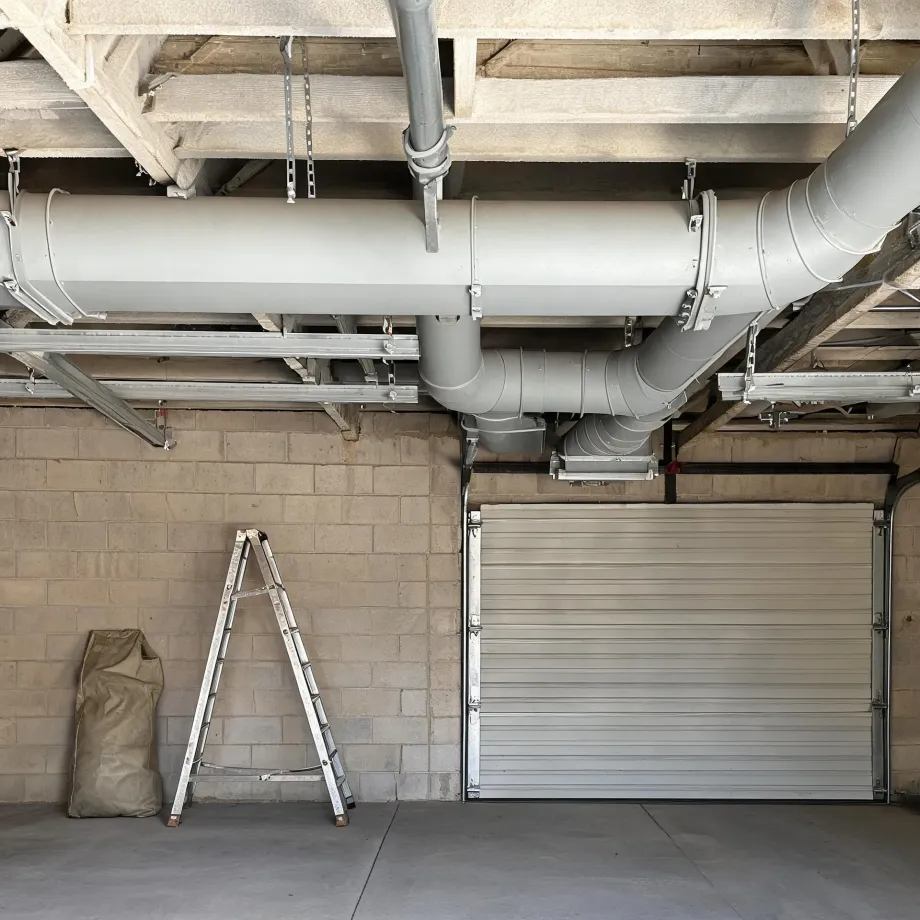
Refrigerant lines and condensate drains that have been routed, re-routed, or spliced through walls of this age carry wear that a fault code on the head unit will not show. Half the homes in Pitt County, North Carolina were built in 1994 or earlier (2020-2024 ACS 5-year). A contractor opening a mini-split in housing like this checks the lineset connections and the drain path as deliberately as the coil or the PCB, because that surrounding infrastructure is where the actual failure often sits. The unit may test clean while a slow refrigerant loss at a flare fitting quietly drives the compressor harder than it should run.
The Parts of a Mini-Split a Contractor Checks During Repair
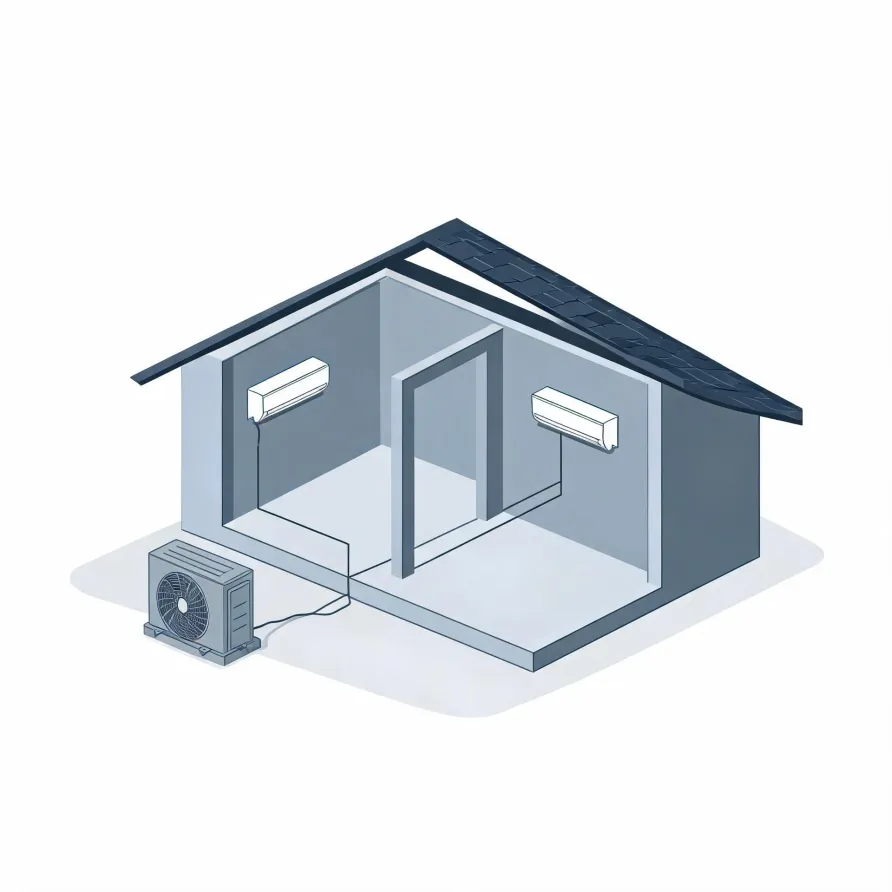
The indoor air handler is usually the first thing a contractor looks at. It mounts high on an interior wall, pulls room air across a coil, and delivers conditioned air back into the space. A fault here shows up as weak airflow, warm air when cool is called for, or a unit that runs but does nothing useful.
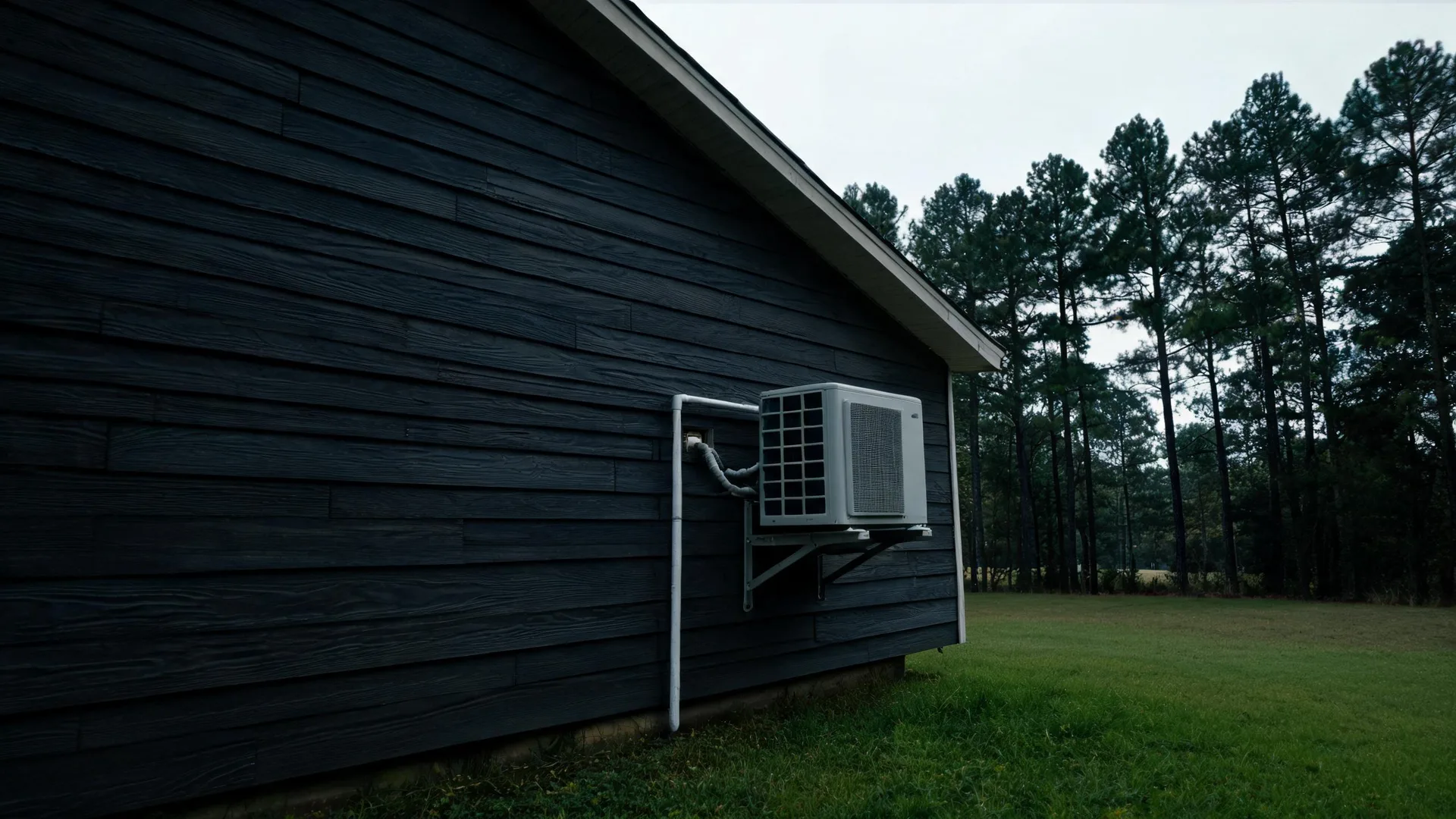
The outdoor condenser unit sits on a pad or bracket outside the house and holds the compressor and the refrigerant lines that run between the two units. The refrigerant lines, the condensate drain, and the control wiring all pass through a small sleeve in the wall, and each of those connections is a place a contractor checks when tracing a fault.
The drawing shows the general layout of a mini-split system, and a licensed contractor determines what applies to your specific house and setup.
Find a contractor in Pitt CountyPitt County, by the numbers
102 severe weather events were recorded in Pitt County, North Carolina between 2015 and 2024.
NOAA National Centers for Environmental Information, Storm Events Database, bulk CSV export, events 2015-01-01 through 2024-12-31.Half the homes in Pitt County, North Carolina were built in 1994 or earlier (2020-2024 ACS 5-year).
U.S. Census Bureau, 2020-2024 American Community Survey 5-Year EstimatesPitt County, North Carolina holds 82,638 housing units (2020-2024 ACS 5-year).
U.S. Census Bureau, 2020-2024 American Community Survey 5-Year EstimatesOwners occupy 51.4% of the occupied homes in Pitt County, North Carolina (2020-2024 ACS 5-year).
U.S. Census Bureau, 2020-2024 American Community Survey 5-Year EstimatesCodes and Standards Covering Mini-Split Repair in Pitt County, North Carolina2 sourced rules and standards
Licensing and Legal Requirements in Pitt County, North Carolina
North Carolina issues Class I heating licenses covering all systems in all structures, and Class II licenses covering heating systems in single-family detached residential dwellings.
North Carolina requires a license before any person or firm may engage in, or offer to engage in, the business of heating contracting.
Severe Weather Events in Pitt County
Weather puts real stress on heating and cooling equipment, and that stress compounds over time. Mini-split repair needs in Pitt County track closely with what the local climate demands of the hardware.
102 severe weather events, 2015–2024. Source: NOAA National Centers for Environmental Information, Storm Events Database.