Tell us about the job
Takes about a minute. No obligation.
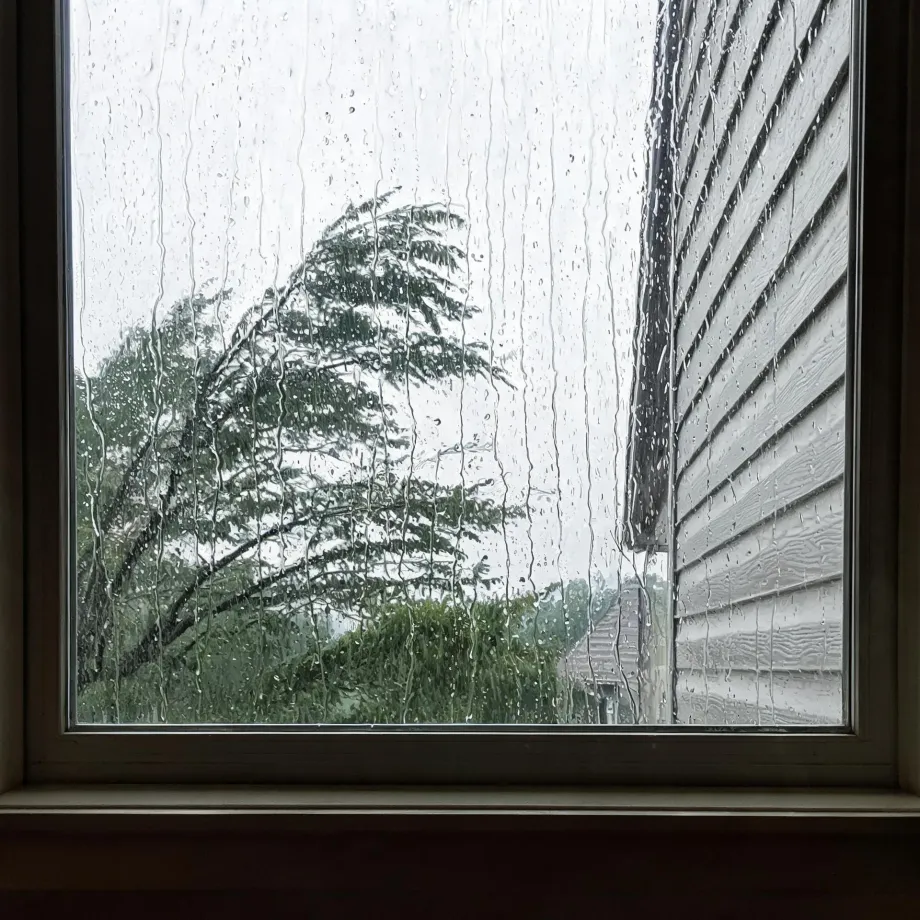
A repair call on a mini-split here starts with a real question: how much of what failed did the weather drive, and how much is age or installation quality catching up. 110 severe weather events were recorded in Columbus County, North Carolina between 2015 and 2024. At that rate, severe weather is a standing feature of operating in this county, and a contractor working a mini-split repair has to decide whether a worn capacitor or a struggling compressor is carrying storm load or just years. That distinction changes which parts get replaced and what the contractor recommends next about the rest of the system.
Half the homes in Columbus County, North Carolina were built in 1982 or earlier (2020-2024 ACS 5-year). A mini-split that fails in a house of this vintage is likely the newest thing in it by a margin wide enough to matter at the parts counter. When a contractor opens the system, what determines the repair scope is whether the specific refrigerant-side or control-board component that has failed is still manufactured for that unit. If the system itself is aging, those parts narrow fast. The house is not the problem; the catalog for what runs in it sometimes is.
The Parts of a Mini-Split a Contractor Checks During Repair
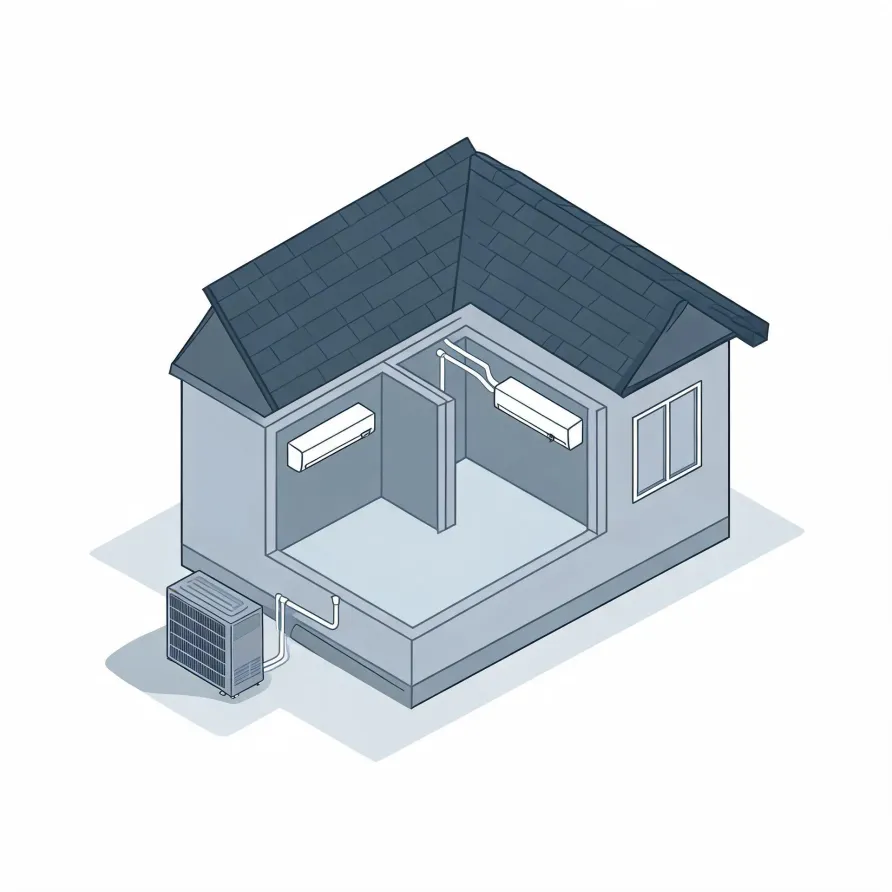
The indoor air handler mounts high on a wall inside the room and is usually where a problem shows itself first. A refrigerant leak, a failed blower wheel, a clogged drain line, or a frozen coil will all produce symptoms there. The outdoor condenser unit sits on a pad or bracket outside and houses the compressor, which is the part contractors move to quickly when the indoor unit checks out clean.
A refrigerant line set runs between the two units through a small penetration in the wall, carrying the refrigerant that makes the whole system work. Alongside it runs the condensate drain line and the communication wiring that tells each unit what the other is doing. A fault in any of these connections can mimic a component failure, so contractors trace them along with the units themselves.
The drawing beside this text shows the general layout of a mini-split system, and a licensed contractor determines which components and connections apply to the specific setup in your home.
Find a contractor in Columbus CountyColumbus County, by the numbers
110 severe weather events were recorded in Columbus County, North Carolina between 2015 and 2024.
NOAA National Centers for Environmental Information, Storm Events Database, bulk CSV export, events 2015-01-01 through 2024-12-31.Half the homes in Columbus County, North Carolina were built in 1982 or earlier (2020-2024 ACS 5-year).
U.S. Census Bureau, 2020-2024 American Community Survey 5-Year EstimatesColumbus County, North Carolina holds 23,563 housing units (2020-2024 ACS 5-year).
U.S. Census Bureau, 2020-2024 American Community Survey 5-Year EstimatesOwners occupy 71.1% of the occupied homes in Columbus County, North Carolina (2020-2024 ACS 5-year).
U.S. Census Bureau, 2020-2024 American Community Survey 5-Year EstimatesCodes & Licensing Behind Mini-Split Repair in Columbus County, North Carolina2 sourced rules and standards
Licensing Rules for HVAC Repair in Columbus County, North Carolina
North Carolina issues Class I heating licenses covering all systems in all structures, and Class II licenses covering heating systems in single-family detached residential dwellings.
North Carolina requires a license before any person or firm may engage in, or offer to engage in, the business of heating contracting.
Severe Weather Events in Columbus County
Weather puts a measurable load on heating and cooling equipment, and that load varies by where you live. Repair demand for mini-split systems in Columbus County follows what the climate actually does here.
110 severe weather events, 2015–2024. Source: NOAA National Centers for Environmental Information, Storm Events Database.