Tell us about the job
Takes about a minute. No obligation.
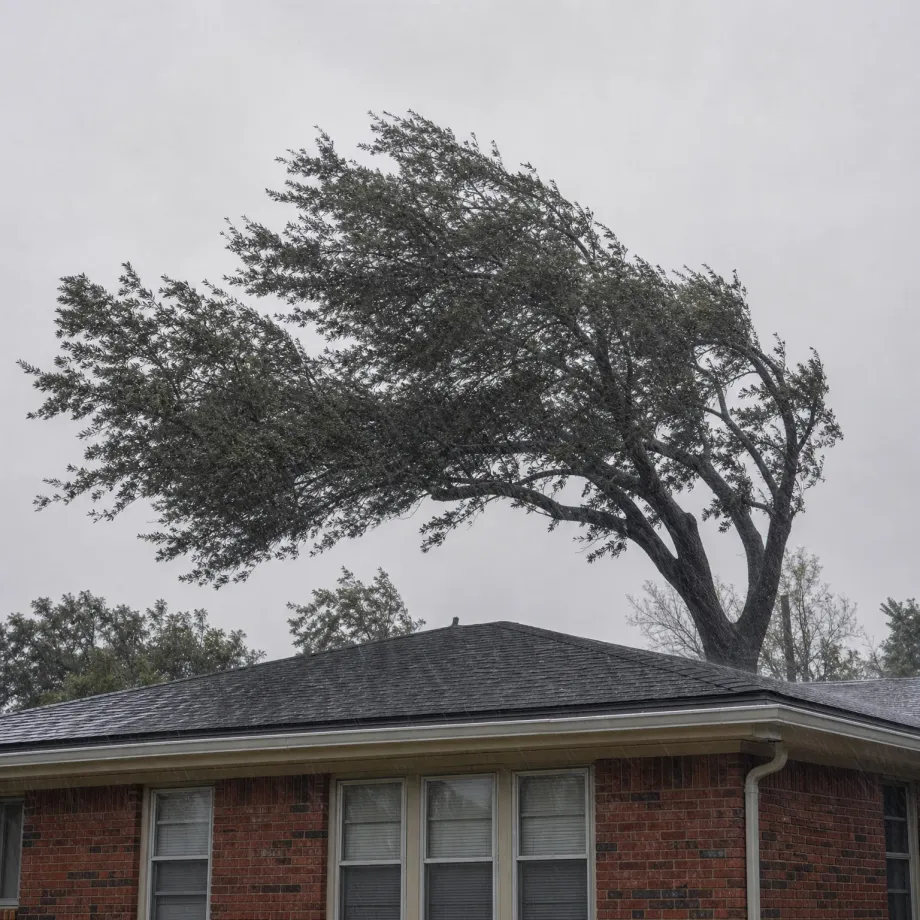
A contractor quoting a mini-split installation in Haywood County is working out room loads, wall construction, and refrigerant line routing before anything else. 42 severe weather events were recorded in Haywood County, North Carolina between 2015 and 2024. At that rate, severe weather is an event here, not a standing condition, so a system that underperforms or fails has almost certainly been let down by how it was sized or installed, not by what the sky has thrown at it. The placement of the outdoor unit, the length and insulation of the line set, and the quality of the electrical connection are what determine whether a system runs well here for years.
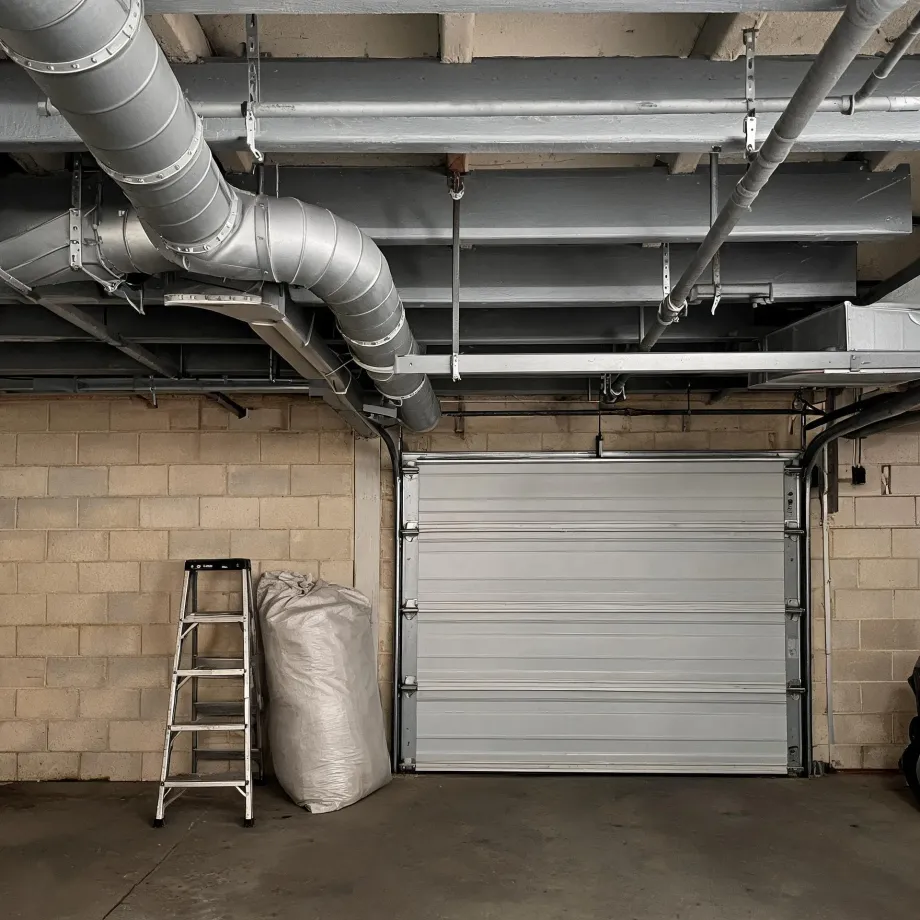
The electrical panel in a house this old was sized for what people ran then, and what a mini-split draws is a different calculation. Half the homes in Haywood County, North Carolina were built in 1983 or earlier (2020-2024 ACS 5-year). A contractor quoting an installation here checks the existing service first, because a panel that cannot support the new load means that work gets priced and scheduled before the unit itself goes in. The ductwork question largely disappears with mini-splits, but the electrical does not.
What a Mini-Split Installation Puts in Your Home
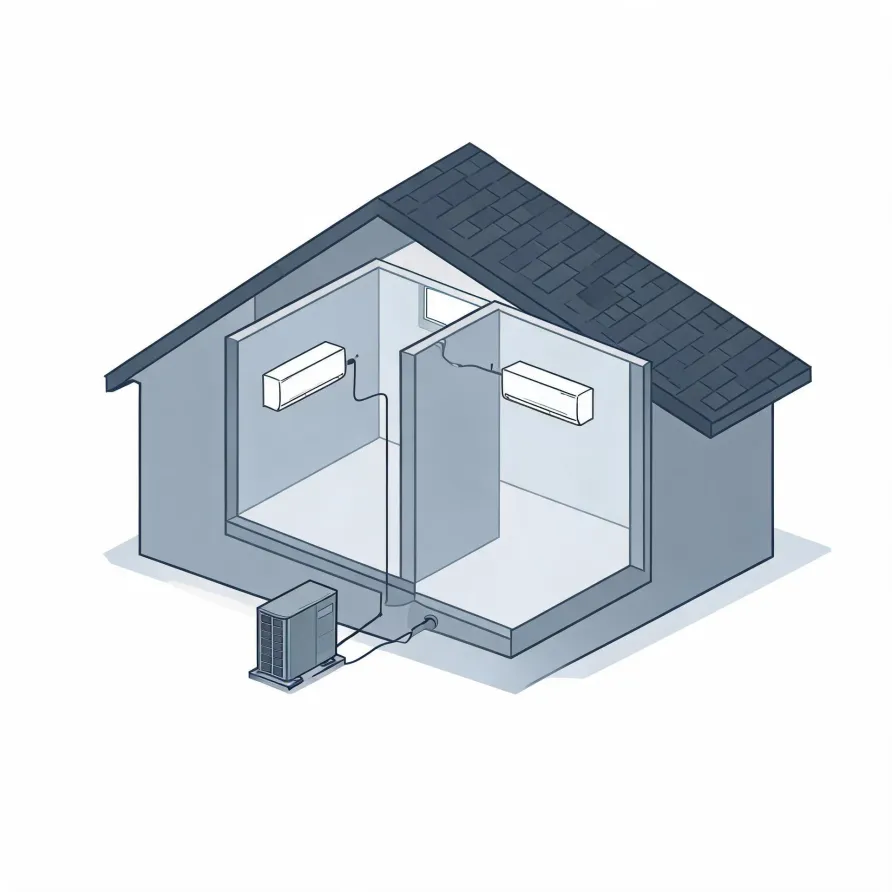
The indoor air handler mounts high on a wall inside the room being served, pulling room air across its coil and pushing conditioned air back out. Outside, the condenser unit sits on a pad or bracket against the exterior wall, handling the work of moving heat in or out of the house. Together those two units are the core of what gets placed.
A refrigerant line set runs through a small opening in the wall to connect the indoor and outdoor units, traveling alongside a condensate drain line and the power cable. A wall-mounted thermostat or wired control panel goes up inside the room to give the occupant control over the system.
The drawing shows a typical layout, and a licensed contractor determines exactly how each component is positioned given the specifics of your home.
Find a contractor in Haywood CountyHaywood County by the numbers
42 severe weather events were recorded in Haywood County, North Carolina between 2015 and 2024.
NOAA National Centers for Environmental Information, Storm Events Database, bulk CSV export, events 2015-01-01 through 2024-12-31.Half the homes in Haywood County, North Carolina were built in 1983 or earlier (2020-2024 ACS 5-year).
U.S. Census Bureau, 2020-2024 American Community Survey 5-Year EstimatesHaywood County, North Carolina holds 35,560 housing units (2020-2024 ACS 5-year).
U.S. Census Bureau, 2020-2024 American Community Survey 5-Year EstimatesOwners occupy 74.9% of the occupied homes in Haywood County, North Carolina (2020-2024 ACS 5-year).
U.S. Census Bureau, 2020-2024 American Community Survey 5-Year EstimatesCodes & Standards Covering Mini-Split Work in Haywood County, North Carolina2 sourced rules & standards
Licensing and Legal Requirements in Haywood County, North Carolina
North Carolina issues Class I heating licenses covering all systems in all structures, and Class II licenses covering heating systems in single-family detached residential dwellings.
North Carolina requires a license before any person or firm may engage in, or offer to engage in, the business of heating contracting.
Severe Weather Events in Haywood County
Weather swings determine how hard heating and cooling equipment has to work, and how reliably it has to hold up over time. Mini-split installation in this area is sized and specified with that local load in mind.
42 severe weather events, 2015–2024. Source: NOAA National Centers for Environmental Information, Storm Events Database.