


Melts within an hour
A normal defrost cycle clears the coil in under an hour and the unit goes back to heating. No call needed, just keep an eye on it.
Tell a local repair pro what your mini split is doing.
Get matchedWinter here still runs cold enough that a mini split working to heat the house can ice up on the outdoor unit. You've caught it early, which is good, but you want to know whether this is normal or a sign something is wrong before it gets worse.
Your outdoor unit pulls heat from the air even in cold weather, and that process lowers the coil temperature enough that moisture in the air freezes onto it. A normal system clears this on its own every so often by briefly reversing itself to melt the ice off. If the ice keeps building instead of melting away, something is stopping that cycle: a failing defrost sensor, a fan that isn't moving enough air, a refrigerant charge that's off, or a coil that's coated in dirt. North Carolina winters bring enough cold, damp days for this to matter. Left alone, a unit that can't defrost properly has to work harder to heat your home and can end up damaging the compressor.
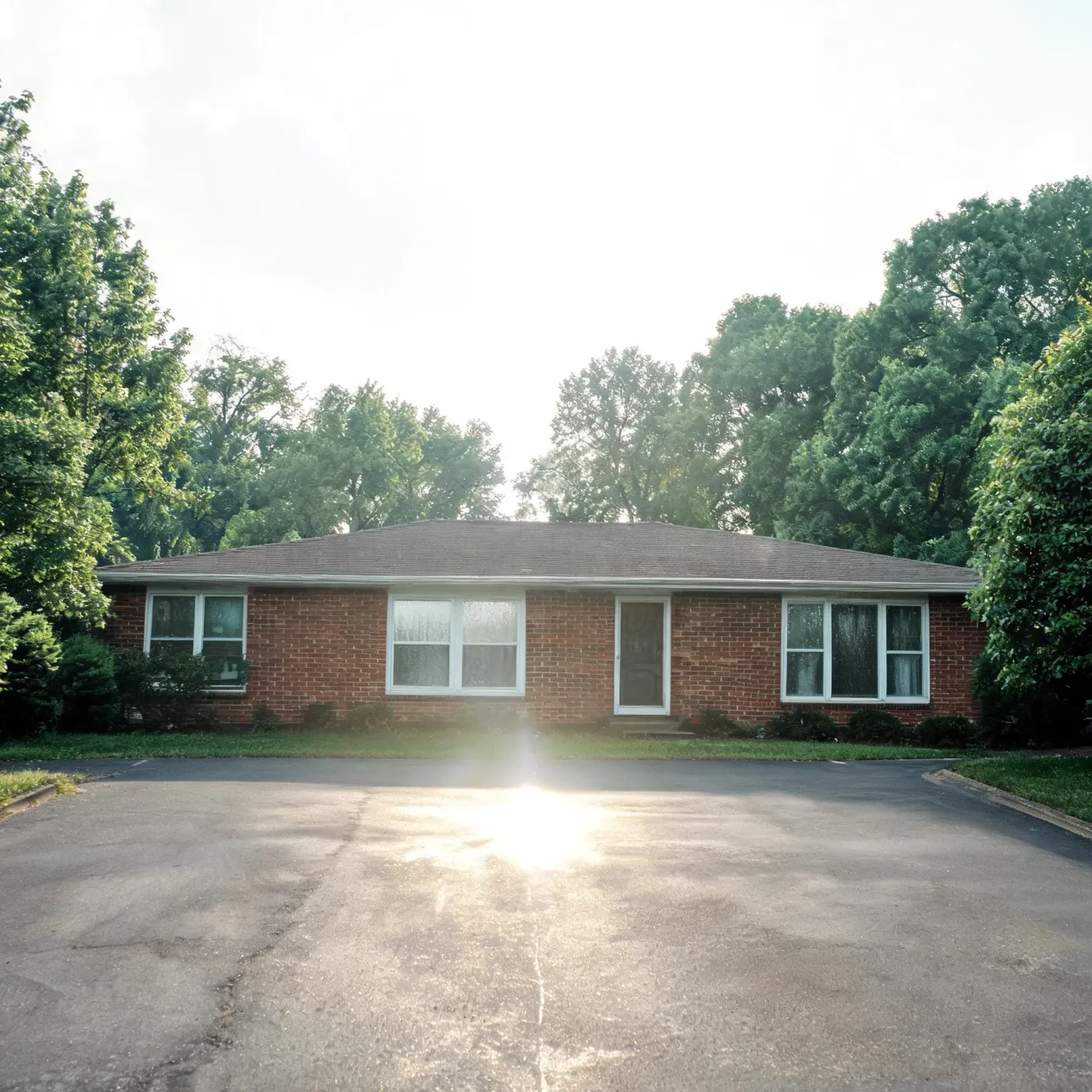
That ice on the outdoor unit in winter traces back to what the mini split does the other nine months of the year. North Carolina summers run heavy, with a dew point averaging 67°F across June, July and August according to NOAA. All that moisture means the mini split spends summer pulling a lot of water out of the air, and whatever grime rides in on that moisture settles on the outdoor coil over time. A coil that's coated or restricted doesn't shed heat the way it should once the weather turns cold, and that makes it more prone to frosting up. If this is the first winter with ice and the unit is a few summers old, the coil is worth a look.
NASA POWER T2MDEW county cells weighted by homes




Your mini split heats your house by moving heat out of the cold outside air, and to do that it runs refrigerant through the outdoor coil colder than the air itself. Moisture in the air lands on that cold coil and freezes, the same way frost builds on a car windshield overnight. The system knows this happens, so every so often it reverses itself for a few minutes, sends warm refrigerant through the outdoor coil, and melts the frost off before switching back to heating your house. If you walk outside during that cycle, the fan will be still and you might see steam coming off the unit. That is the system doing its job, not failing at it. What is not normal is ice that sticks around after a defrost cycle finishes, or a coil that is caked in frost rather than lightly frosted. That points to something getting in the way, either refrigerant that has dropped below what the system needs or air that cannot move through the coil the way it should. A coil clogged with debris or a fan running slow will both do the same thing: keep the unit from shedding heat fast enough, so ice builds up faster than defrost can clear it.
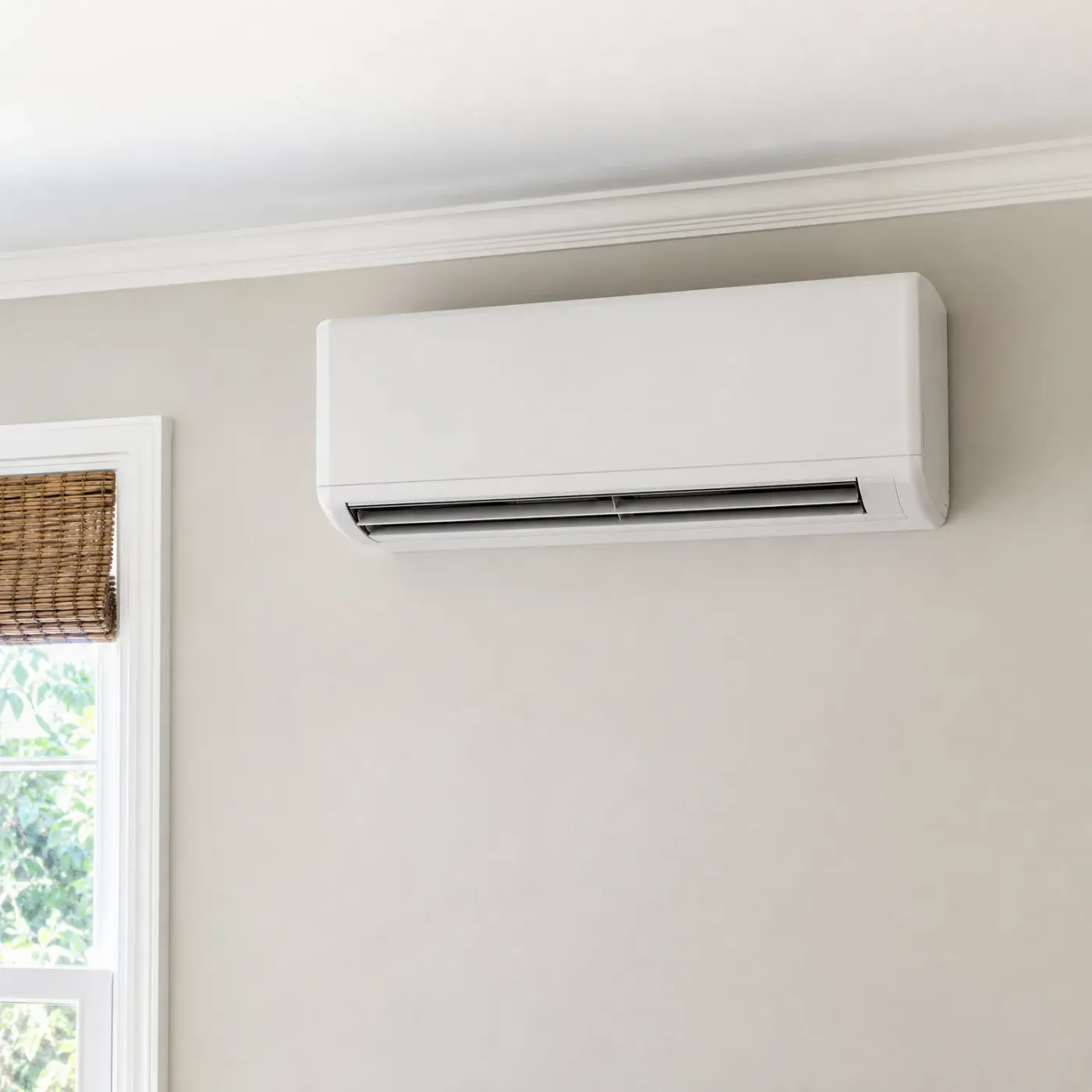
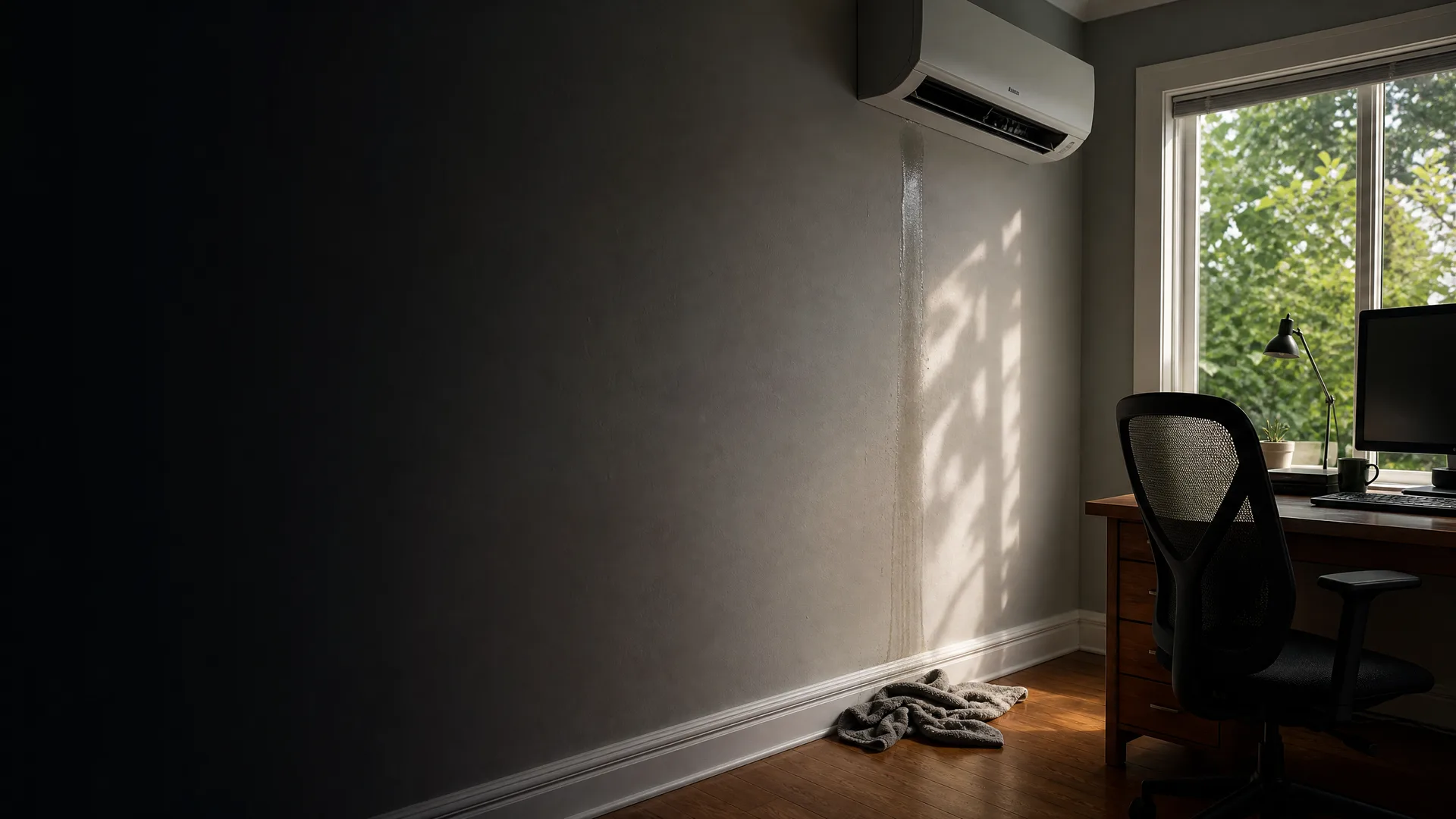
Wrong season, wrong room, but this is the kind of thing you catch because you check. It's a summer afternoon in the home office, and there's a wet streak running down the wall under the indoor unit. You've put a towel on the floor already. The mini split is still blowing cool air, the room still feels fine, but that streak means water is getting past the drain line instead of out of the house. Left alone, it finds the drywall and the baseboard next. You already know enough to not wait on this one. The part you don't have is a contractor lined up for a North Carolina mini split, so you won't have to call around or explain the wall twice before someone shows up to look at it.
Explain the job once and skip repeating it on every call.
You're not committing to anything by asking.
The mini split runs a built in defrost cycle on its own. It reverses briefly, sends warm refrigerant through the outdoor coil, melts the ice off, then switches back to heating your house. You might hear the outdoor fan stop and a hiss or gurgle from the lines. That's normal and it usually clears a thin coat of frost in a few minutes without you doing anything. A system that defrosts on its own and goes back to heating is doing exactly what it's built to do on a cold North Carolina morning.
Ice that stays past an hour, or builds thicker instead of thinning, means the defrost cycle isn't finishing the job. That can come from a sensor that's misreading the coil temperature, a defrost board that isn't triggering the reversal, or low refrigerant that keeps the coil colder than it should run. The outdoor fan may also be blocked by that same ice, so it can't move air across the coil once defrost ends. None of those clear on their own, and running the system through another heating cycle only adds another layer of ice on top.


A normal defrost cycle clears the coil in under an hour and the unit goes back to heating. No call needed, just keep an eye on it.
Ice that doesn't clear means the defrost cycle isn't working or something else is wrong. That's worth having looked at before it gets worse.
Go look at the outdoor unit. If the ice is a thin coat and it's gone an hour or two later, that's the defrost cycle doing its job. What you're checking for is ice that stays. A sheet thick enough to cover the coil fins, ice that's still there the next morning, or a fan that's packed in and can't spin. You might also notice the indoor unit blowing air that's gone from warm to barely lukewarm, or the outdoor fan running but sounding labored. Left alone, a coil that stays iced can't pull heat from the outside air, so the system keeps running without actually warming your house, and ice that builds around the fan motor can damage it.
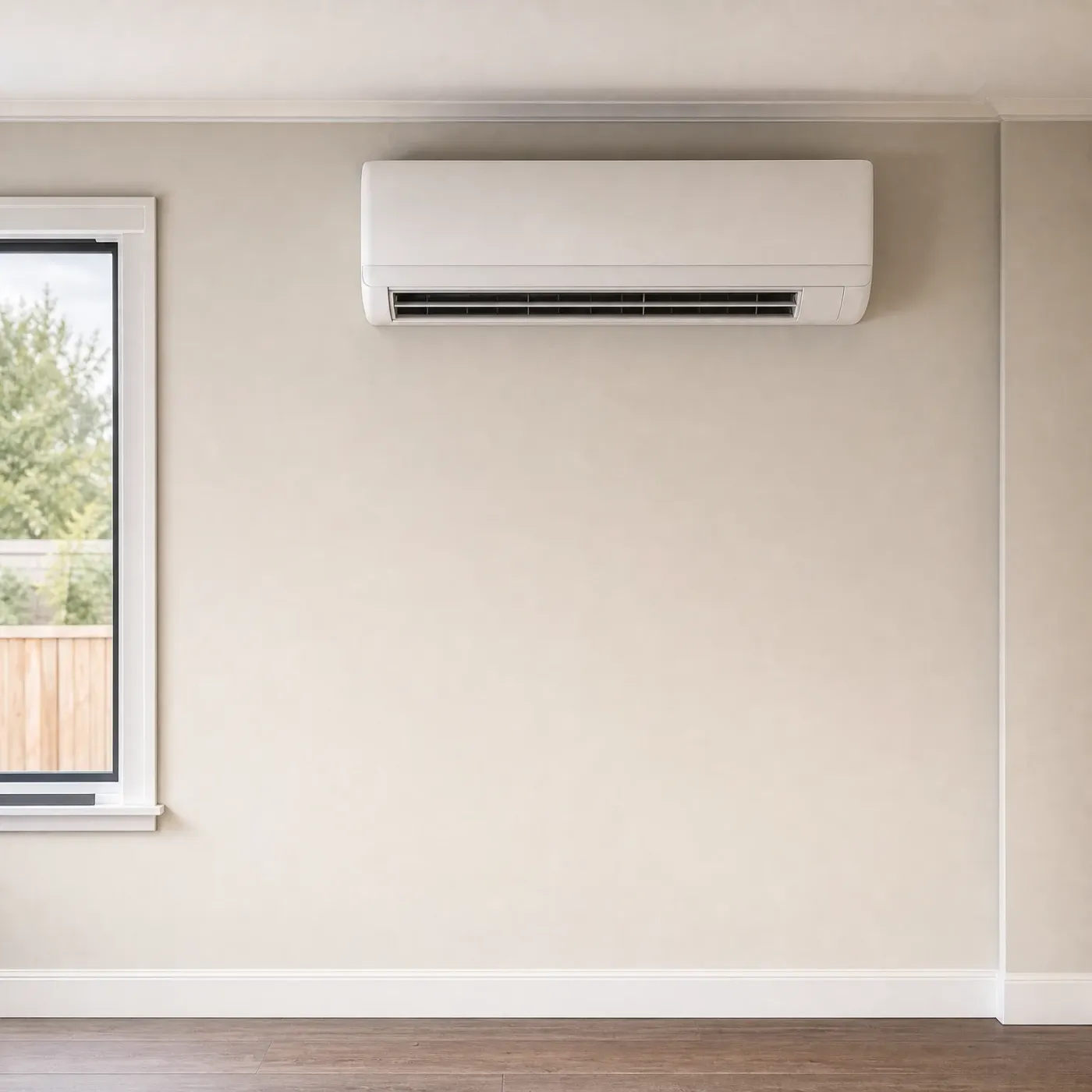
This is a mini split with nothing wrong. The coil behind the fan stays clear and the unit cycles through defrost on its own schedule, warming the room through the window-side wall without any buildup you'd notice from across the room.
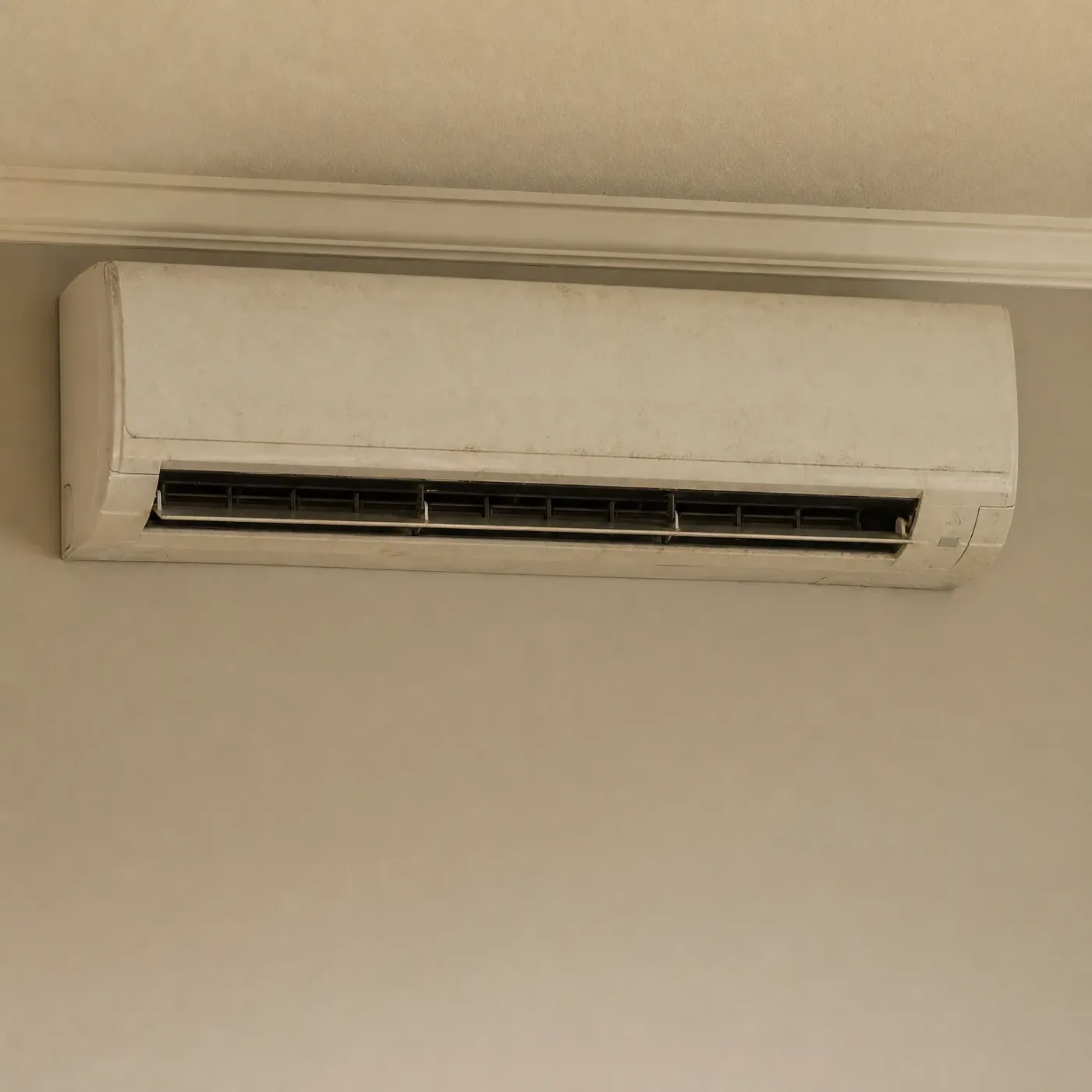
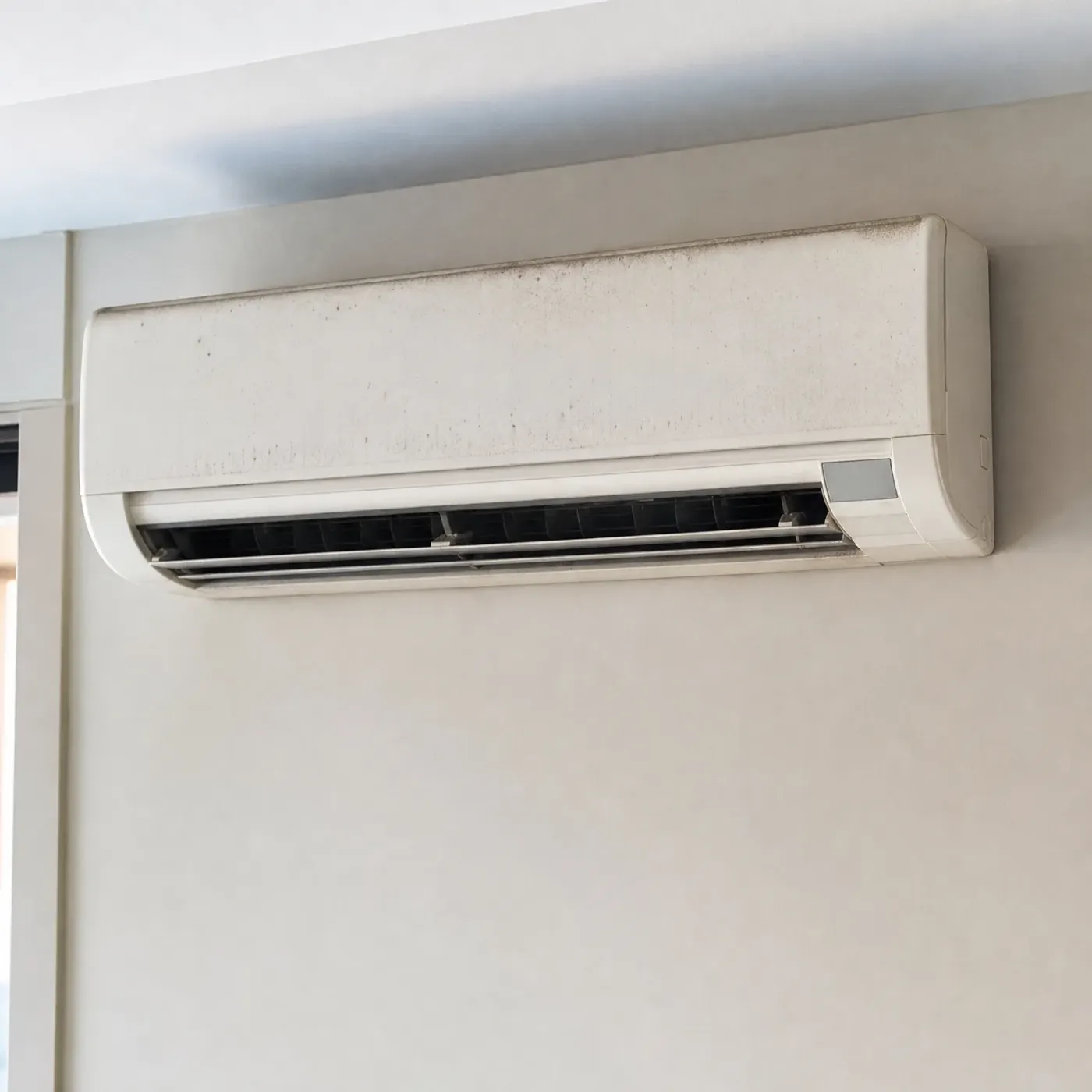
This unit has been carrying dust and grime for a while, the kind that builds up on a casing nobody's wiped down. Dirt on the coil holds moisture longer and gives ice more to grab onto, which makes a bad defrost cycle worse than it would be on a clean unit.
The thermostat calls for heat and the compressor starts.
Cold refrigerant moves through the outdoor coil and pulls warmth from outside air.
That warmth carries into the house through the indoor unit.
Moisture in the outside air lands on the cold coil and turns to frost.
At 14 cents a kilowatt-hour, running a mini split hard to fight a stuck defrost cycle shows up on the bill fast. A unit stuck defrosting, or icing over because defrost failed, pulls more power trying to heat the house than one cycling normally.
EIA-861 2025 statewide residential average
A thin coat of ice that melts off within an hour or two is just the defrost cycle doing its job. Ice that's still there the next day, or thick enough to cover the coil, means something in that cycle failed and the unit needs a look before it ices over again. You already know which one you're looking at. If it's the second kind, you're probably not in the mood to spend your evening searching through contractors, calling a few, explaining the ice and the unit and what you've already checked to each one, then sitting on quotes trying to sort out who actually knows mini splits. Skip that part. Answer a few questions about what you're seeing and get matched with a contractor who works on these systems, and they'll reach out to you directly. You still caught it early, which counts for something. What's left is getting the right person to the outdoor unit before a normal defrost problem turns into a compressor running itself ragged in the cold.
Get the right pro for your mini split