A white wall-mounted mini-split indoor unit near the ceiling of a dimly lit room, with a curtained window at right, a leafy potted plant at lower left, and a cushioned sofa at the bottom.

A mini split pro near you

What size mini split a North Carolina home needs

Sizing a mini split isn't just square footage. Your home's insulation, windows, and layout all factor in, and with sticky North Carolina summers and electric heat in winter, getting it wrong means a system that struggles or short cycles. This page walks through what actually determines the right size for your space. Skip the back and forth of calling around and get matched with a contractor who'll look at your home and reach out directly.

Get matched

There's no single number that works for every house. A contractor sizes a mini split by running a load calculation, which weighs your square footage against your insulation, your windows, your ceiling height, and how many walls face the sun. Two homes the same size can need different systems. Undersizing is the common mistake in North Carolina, because summers here get humid enough that a unit without enough capacity never quite catches up, it runs long hours and still leaves the air feeling damp. Oversizing causes its own problem: the unit cools the room fast, shuts off, and starts again before it pulls the moisture out of the air. Since most homes here heat electrically too, the same system likely has to carry your winter load. Getting the size right the first time means a unit sized for your actual house, not a rule of thumb.

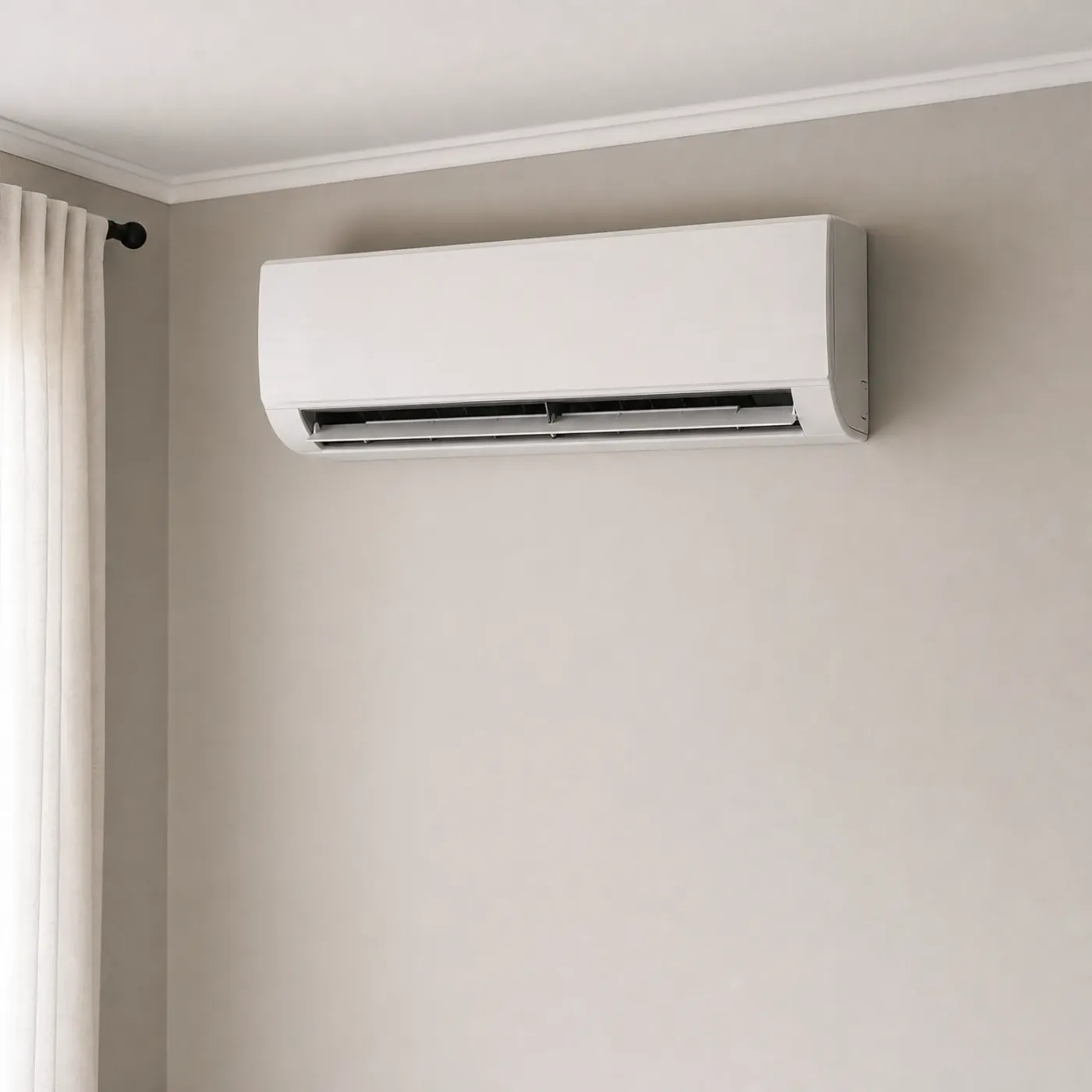
A white wall-mounted mini-split air conditioner installed high on a beige interior wall near the ceiling molding, with a light curtain and curtain rod at the left edge.

Sized right, it keeps up without strain

A mini split sized to the room cools evenly and shuts off when it should. It runs through a muggy July afternoon without laboring, and it holds steady in a cold snap without the backup heat kicking on every hour.
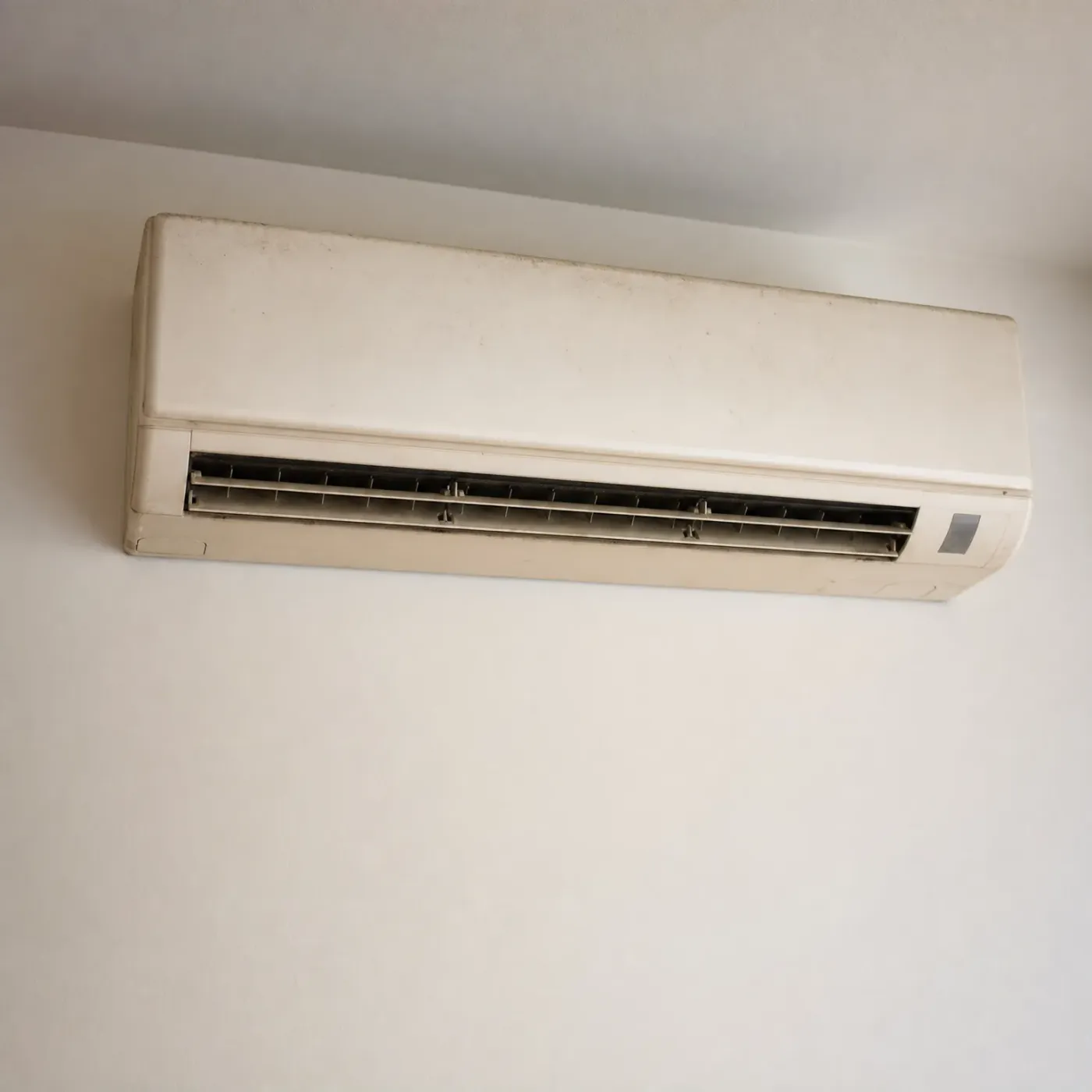

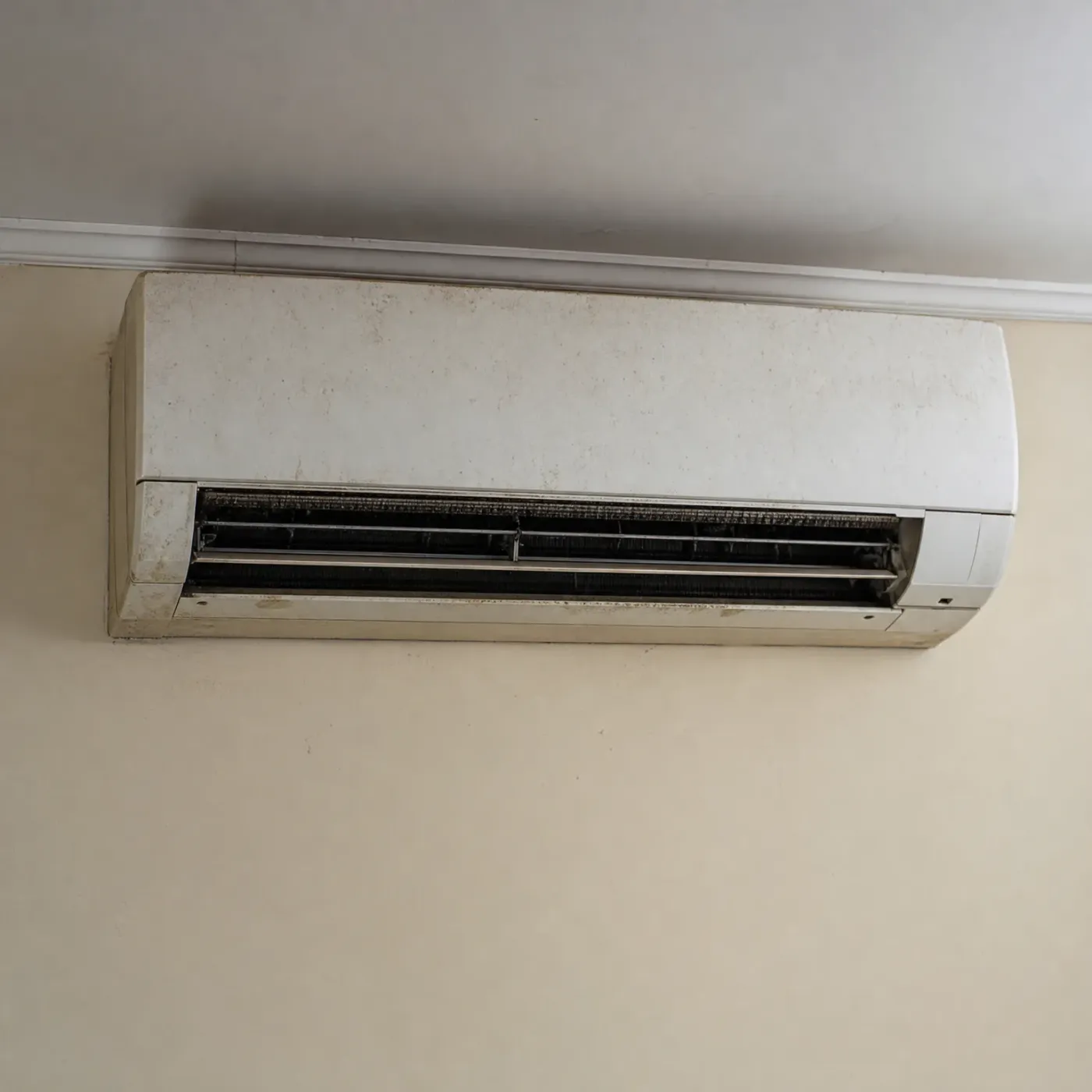
A wall-mounted mini-split air conditioner indoor unit with a discolored cream plastic casing and dusty outlet vanes, installed high on a plain light-colored interior wall near the ceiling.

Sized wrong, it shows its age early

An undersized unit runs nonstop trying to catch up, and the casing yellows faster under that strain. An oversized one cools the room too fast, shuts off before it pulls the humidity down, then starts again a few minutes later.

Why does your mini split run all day but never quite cool the room

If it's undersized, you'll notice it running almost nonstop on a humid afternoon and the room still feels sticky instead of cool. If it's oversized, it does the opposite: it blasts cold air, shuts off fast, and the room feels clammy because it never ran long enough to pull the moisture out. In winter, an undersized unit leans hard on backup electric heat, and you'll feel it in the bill. Either way, the compressor is cycling more than it should, which wears it down faster than a unit that's sized to actually match the room and runs in long, steady stretches.

  1. The contractor measures every room the system will condition.

  2. They check insulation, window count, and which walls face the sun.

  3. They run a load calculation to get the BTU number your home needs.

  4. They match that number to the right mini split model and layout.

A woman stands in the open doorway of a white stucco house holding the dark door, facing a man in a black cap and shirt seen from behind in the blurred foreground, with a potted flowering plant beside the entry.

A wrong-sized mini split shows up in your electric bill

Since your home heats with electricity, a mini split that's the wrong size costs you twice. An undersized unit runs flat out trying to cool a room it can't keep up with, and that extra runtime shows up on your bill every month, not just in July. An oversized one cycles on and off so often that it never settles into a steady, efficient run, and it leaves the air feeling damp even when the thermostat says the room is cool.

You can find a dozen contractors in North Carolina who'll quote a mini split off square footage alone. Getting matched with one who'll actually size it to your home, your windows, your walls, your layout, means you skip the round of calls and the repeat explanations to whoever picks up the phone. You describe your house once, to a contractor suited to the job, and they follow up with you directly.

A wooden table holding a stone vase with a bare branch, two stacked books and a small dark bowl, beside a window with green foliage outside and a sofa in the dim background.
A white wall-mounted mini-split air conditioner indoor unit installed high on a plain beige wall near the ceiling.

Humidity is part of the load

North Carolina summers run heavy with moisture, and a mini split has to pull that out of the air before the room feels cool. That work doesn't show up on a square footage chart. A contractor's load calculation accounts for it along with your insulation and window count, which is why two homes of the same size can need different size units.

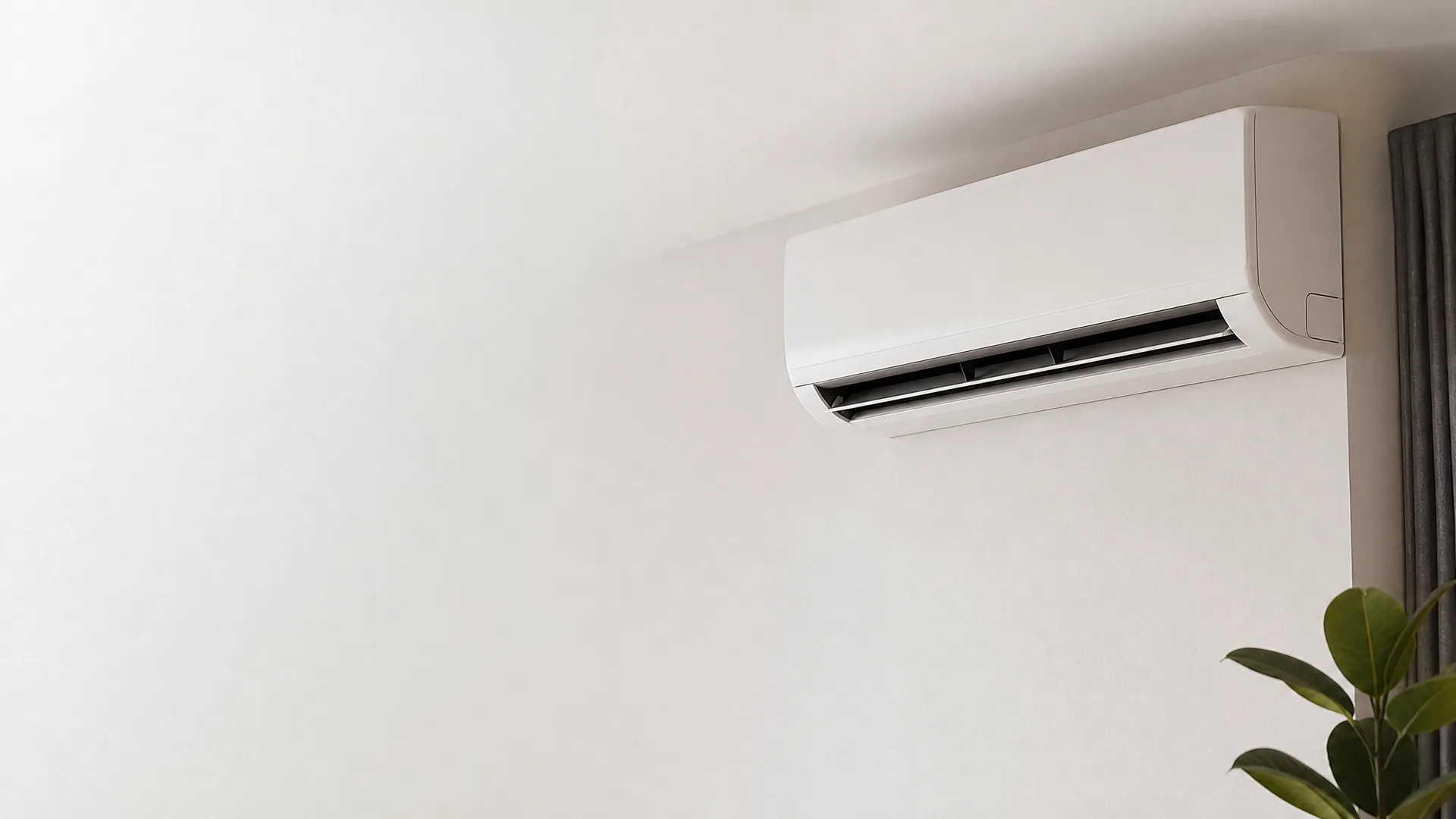
A white wall-mounted mini-split air conditioner unit near the ceiling of a plain white wall, with a gray curtain at the right edge and green plant leaves in the lower right corner.

Electric heat changes the math

Most homes here heat with electricity, so your mini split carries the winter load too, not just summer cooling. A unit sized only for a hot July afternoon can fall short on a January morning. The load calculation a contractor runs weighs both directions, so the size you land on has to hold up in a cold snap as well as a heat wave.

How many BTUs does a mini split need per square foot?

You've seen the rule of thumb floating around online: 20 BTUs per square foot, or some version of it. It's tempting to do the math yourself and skip a step. But a flat ratio doesn't know if your walls are insulated, how many windows face west, or what a North Carolina summer does to a room by 3pm.

There's no fixed BTU-per-square-foot number that holds up

A room with two south-facing windows and thin insulation needs more BTUs per square foot than an interior room with none, even at the same size. Ceiling height changes the volume of air being cooled, which changes the number too. That's why a contractor doesn't stop at square footage. They run a load calculation that accounts for the whole room, not just its floor area. In a state where summer humidity adds to the load and winter heat runs on electricity, getting that number wrong in either direction shows up fast, either in a room that never quite cools or a system that cycles on and off without settling in.

A woman in a cream knit sweater sits in an armchair with her eyes closed and head tilted back, beside a window showing orange autumn foliage and a wooden side table with a mug.
A gray-haired man in a blue quarter-zip sweater sits in an armchair with his eyes closed, beside a large window with bare trees outside and a potted plant and lamp nearby.
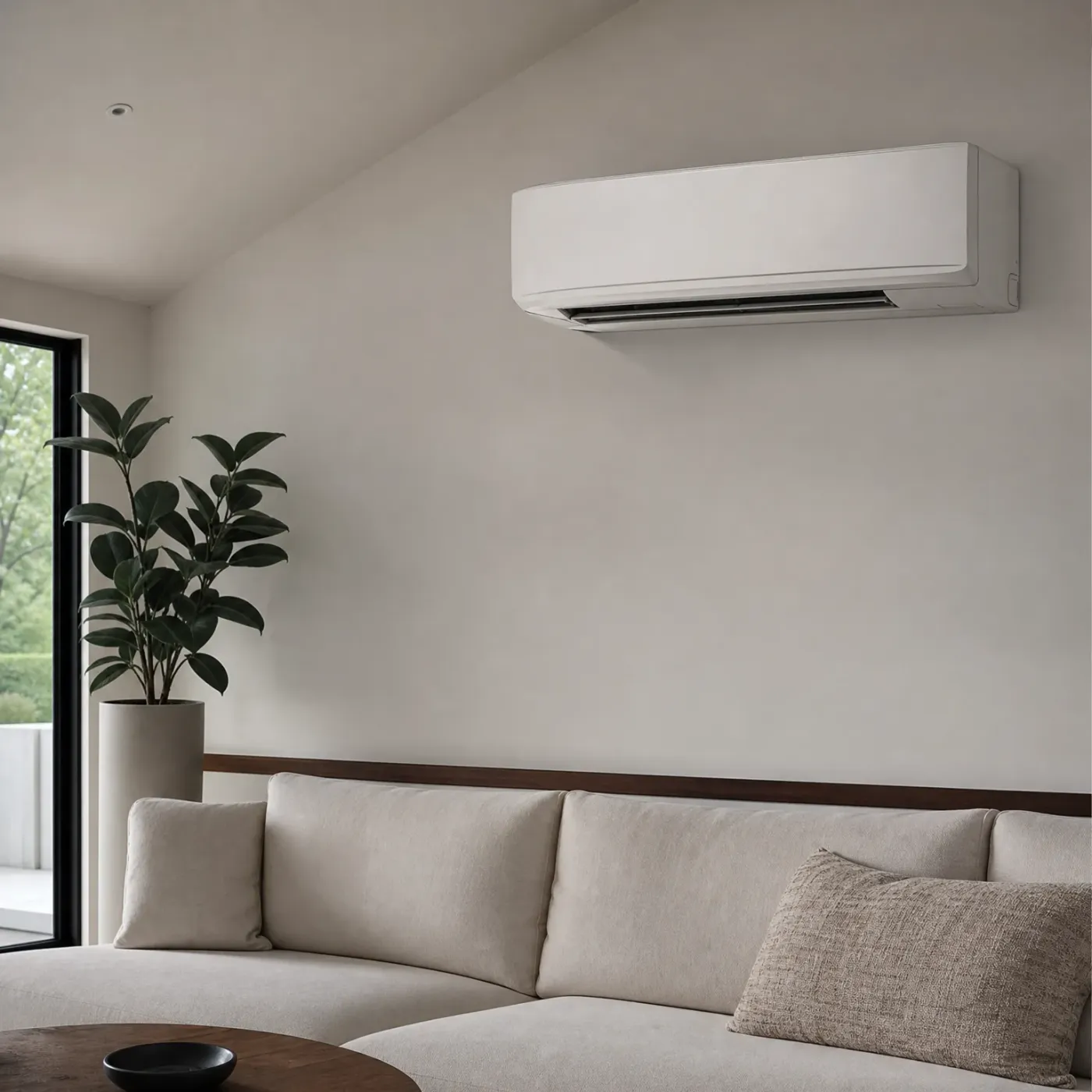
A white wall-mounted mini-split air conditioner near the sloped ceiling of a living room with a light sectional sofa, cushions, a potted plant, and a window showing greenery.

A local pro for your mini split installation

Skip collecting and comparing quotes for the new mini split.

A local installer who puts in mini splits gets your project.

Fill out one form

Asking costs nothing, and the choice to hire stays yours.

An older woman with gray hair in a cream knit sweater sits under a blanket on a sofa by a window, looking outside toward yellow-leaved trees, with a lamp, shelves and an armchair in the room behind her.
A gray-haired woman in a chunky knit sweater sits in an armchair with a blanket, looking out a window at yellow autumn foliage, with bookshelves and a potted plant behind her.
A gray-haired woman in a navy sweater sits in an armchair with a knit blanket beside a window, looking out at yellow autumn foliage, with a dining table and houseplant in the room behind her.
A gray-haired woman in a gray cowl-neck sweater sits in an armchair with a blanket, looking out a dark-framed window toward yellow autumn trees.

One zone or several rooms

One zone

  • A single indoor head covers one room or an open area like a living room and kitchen combined.
  • Install is simpler because there's one line set and one spot to mount the outdoor unit.
  • It won't help the bedroom down the hall or the finished space over the garage.
  • If you're adding on to a house that already heats and cools fine, this is usually the fit.
  • You lose the option to shut off heating and cooling to rooms you're not using that day.

Multi-zone

  • One outdoor unit runs two or more indoor heads, each set to its own room.
  • Each zone gets sized on its own, so a bedroom and a sunroom with a wall of windows don't share one number.
  • More line sets and more spots to mount heads means more to plan before install day.
  • You can turn off a guest room or a rarely used space instead of conditioning rooms nobody's in.
  • If one zone's load was sized wrong, it won't run right even though the rest of the house is fine.
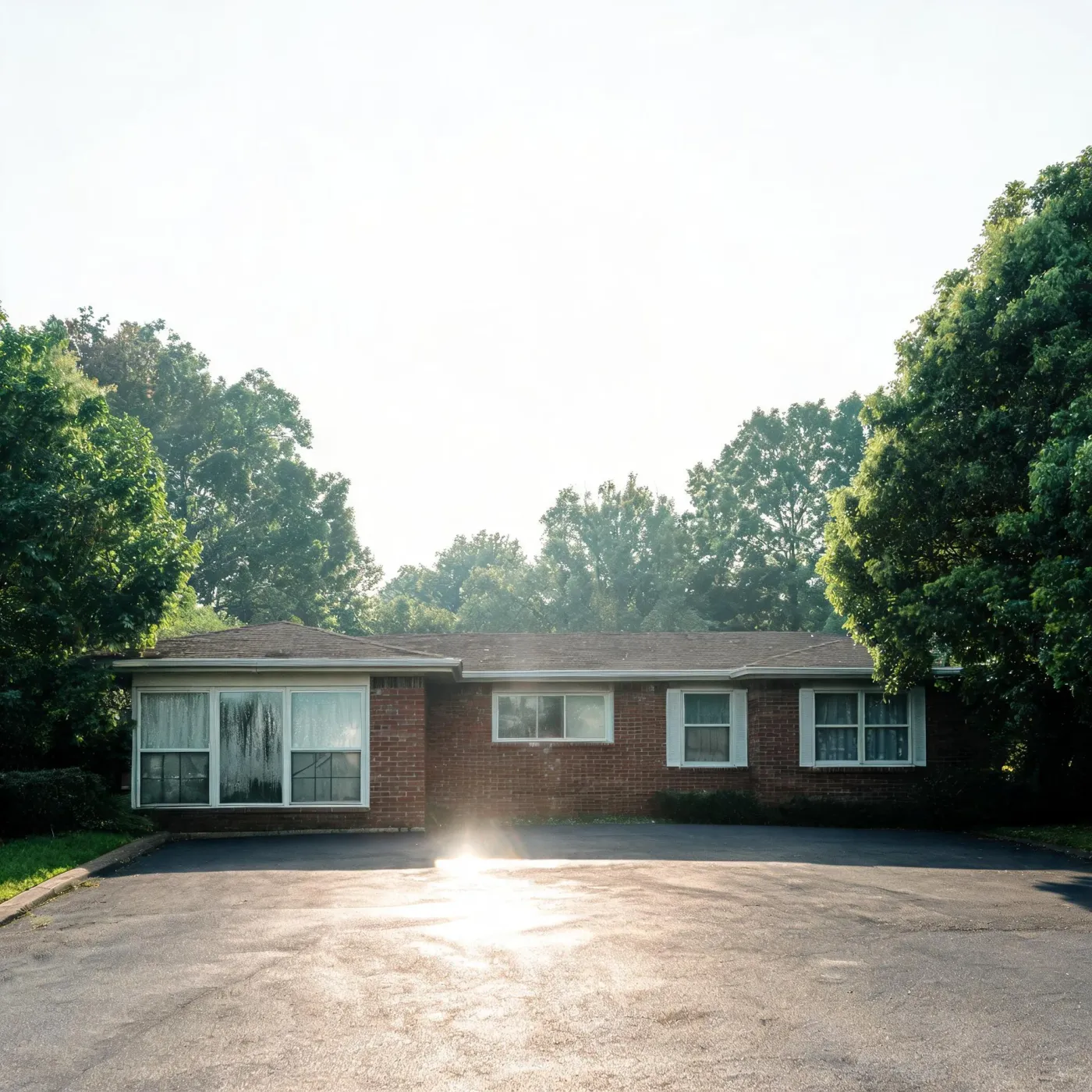
A single-story brick ranch house with white-framed windows behind a large empty asphalt parking lot, surrounded by leafy green trees under a bright hazy sky with sun flare.

The weather service puts the summer dew point across North Carolina at 67°F on average for June, July, and August. That's the number that makes the air feel thick even when the temperature itself isn't that high. For your mini split, it means more of the work each afternoon goes into wringing moisture out of the air before the room ever feels cool. A unit sized for square footage alone, without that moisture load figured in, will run long stretches and still leave the air in the room feeling damp instead of dry and comfortable.

NASA POWER T2MDEW county cells weighted by homes

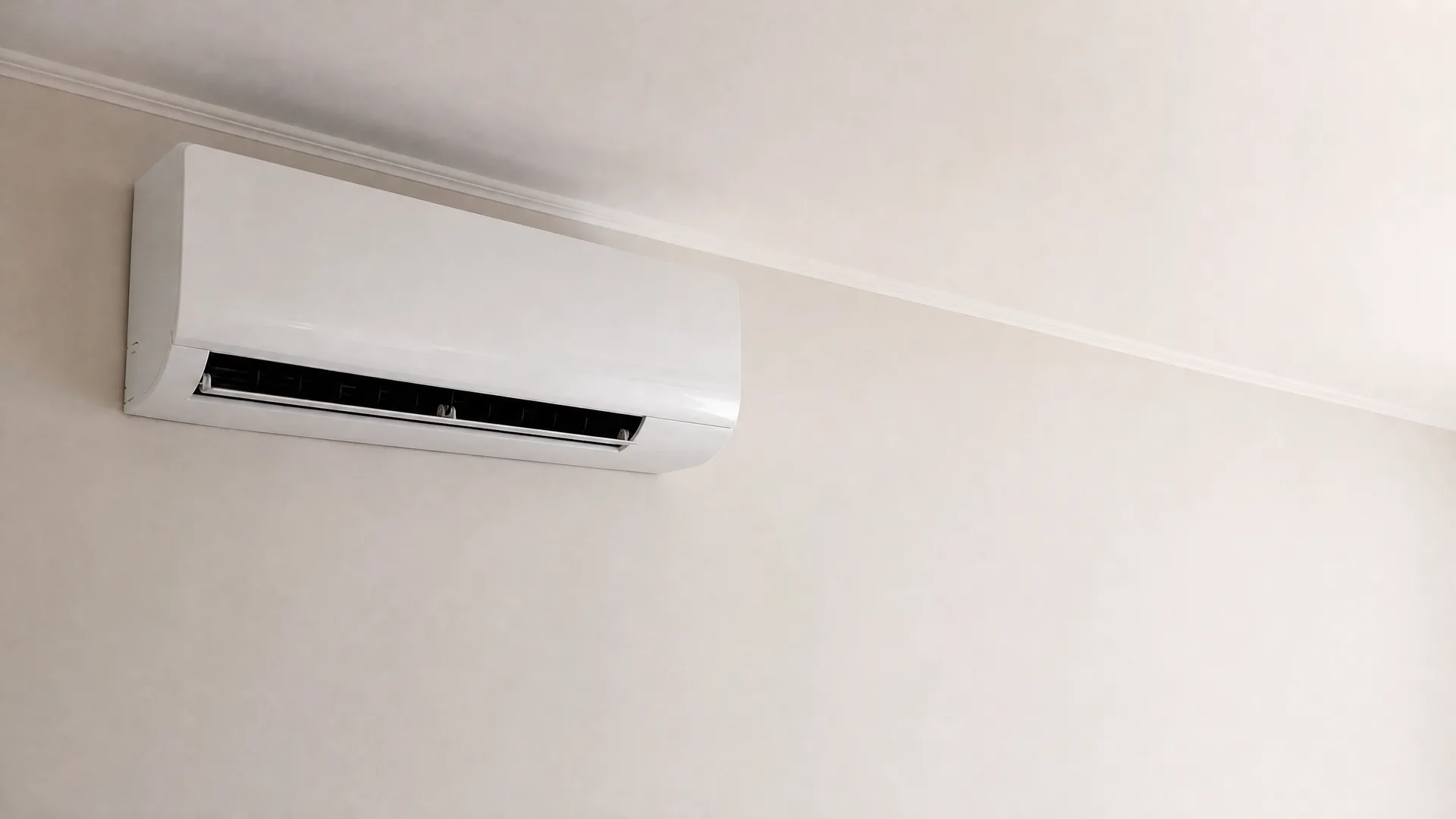
A dusty white wall-mounted mini-split air conditioner installed high on a beige interior wall below a molded ceiling trim.
Before you get your mini split installation
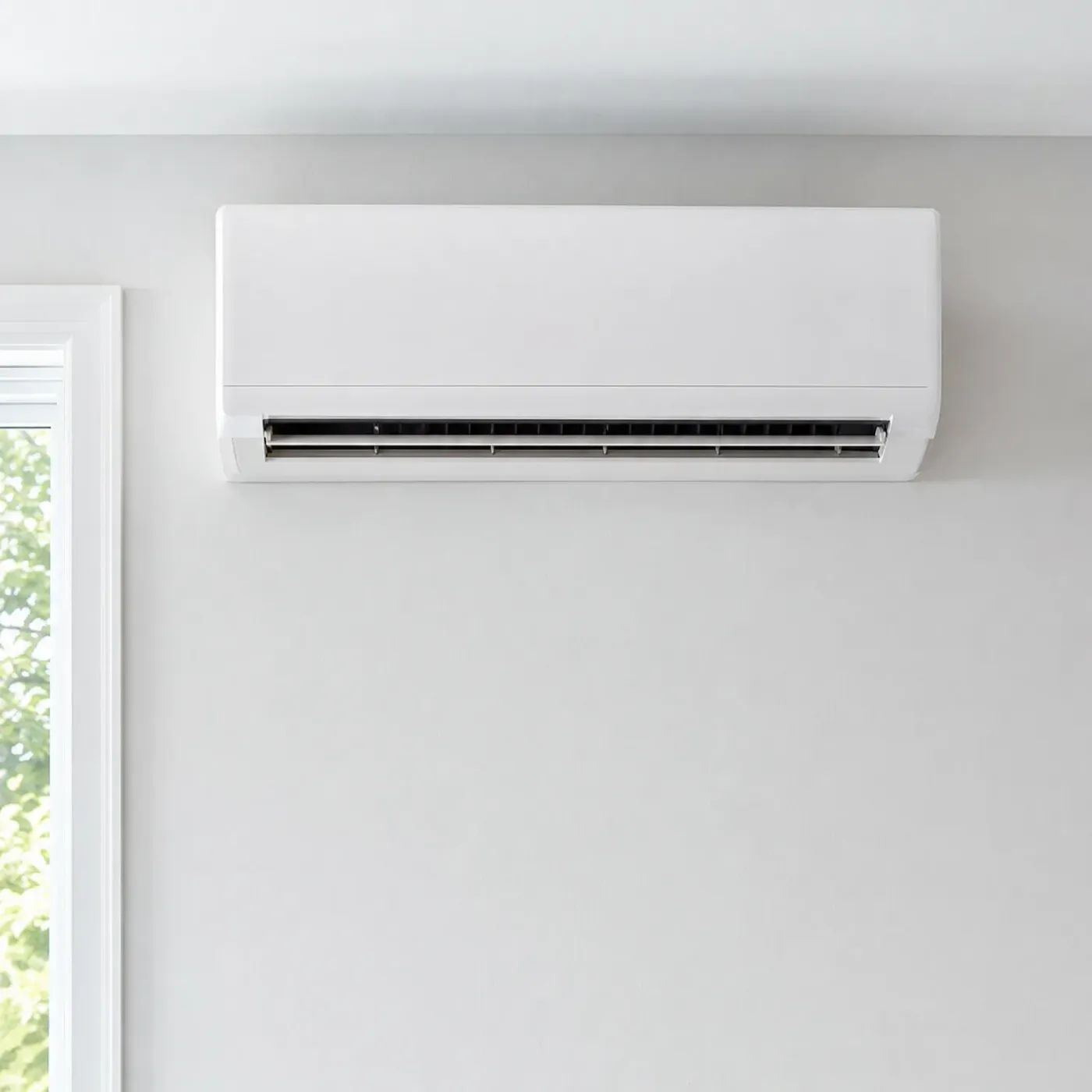
A white wall-mounted mini-split air conditioner unit installed high on a light gray interior wall near the ceiling, with a white-framed window and green foliage visible at the left edge.
After you get your mini split installation

One room picked up by a window unit for years still runs hot in August because the window unit never had the capacity to finish the job, just enough to take the edge off.

A mini split sized for that same room from a proper load calculation pulls the humidity down and holds the temperature there, because it was matched to the room instead of grabbed off a shelf.

Power costs 14.00 cents per kilowatt-hour statewide

At 14 cents a kilowatt-hour, you're paying the statewide average, not a penalty for living somewhere expensive. That makes sizing the thing that decides your bill. An oversized mini split cycling on and off wastes power on every restart, and an undersized one runs flat out all summer trying to catch up. Get the BTU number right and the rate you pay stops being the problem.

EIA-861 2025 statewide residential average

The Right Size, Settled

  • A load calculation, not square footage alone, is what tells a contractor the right BTU size for your home.
  • An undersized unit runs nonstop in the humid months and still leaves the room sticky.
  • An oversized unit cools fast but shuts off before it pulls the moisture out, leaving the air clammy.
  • Since your home heats with electricity, the wrong size costs you on both ends of the year.
  • Getting the size right the first time means skipping the back and forth of calling around and comparing quotes yourself.
  • A contractor who sizes it correctly accounts for your insulation, windows, and the humidity North Carolina summers carry.

The answer was never a single number you could look up ahead of time. It's whatever a load calculation says once someone has measured your rooms, counted your windows, and weighed how much sun hits your walls. That's the only way to land on a BTU size that matches your house instead of a guess at it. Get it right and the unit runs the way it's supposed to: steady through a muggy July afternoon, steady again when a cold snap hits in January. Get it wrong in either direction and you feel it, in a room that never quite cools or a system that short cycles and leaves the air damp. And because your home heats with electricity, that mistake doesn't stay in one season. It shows up on the bill year round. None of that gets sorted by comparing specs online or guessing at a size before anyone's looked at the actual room. It takes someone measuring the space and running the numbers. The part you don't have to do is find that someone. Instead of calling around, explaining the same layout and the same walls to every contractor you reach, and sorting through quotes that may or may not be sizing the job the same way, you answer a few questions once and a contractor who handles this sizing work reaches out to you. The load calculation still has to happen. But the search for who does it is done.

A white wall-mounted mini-split air conditioner high on a dim gray interior wall, with a potted thin-leaved plant, dark curtains and a window at left and a dark sofa at bottom.

Get the right pro for your mini split

Fill out one short form instead of calling around.

Step 1 of 3: Equipment