Should a mini split run all winter in North Carolina

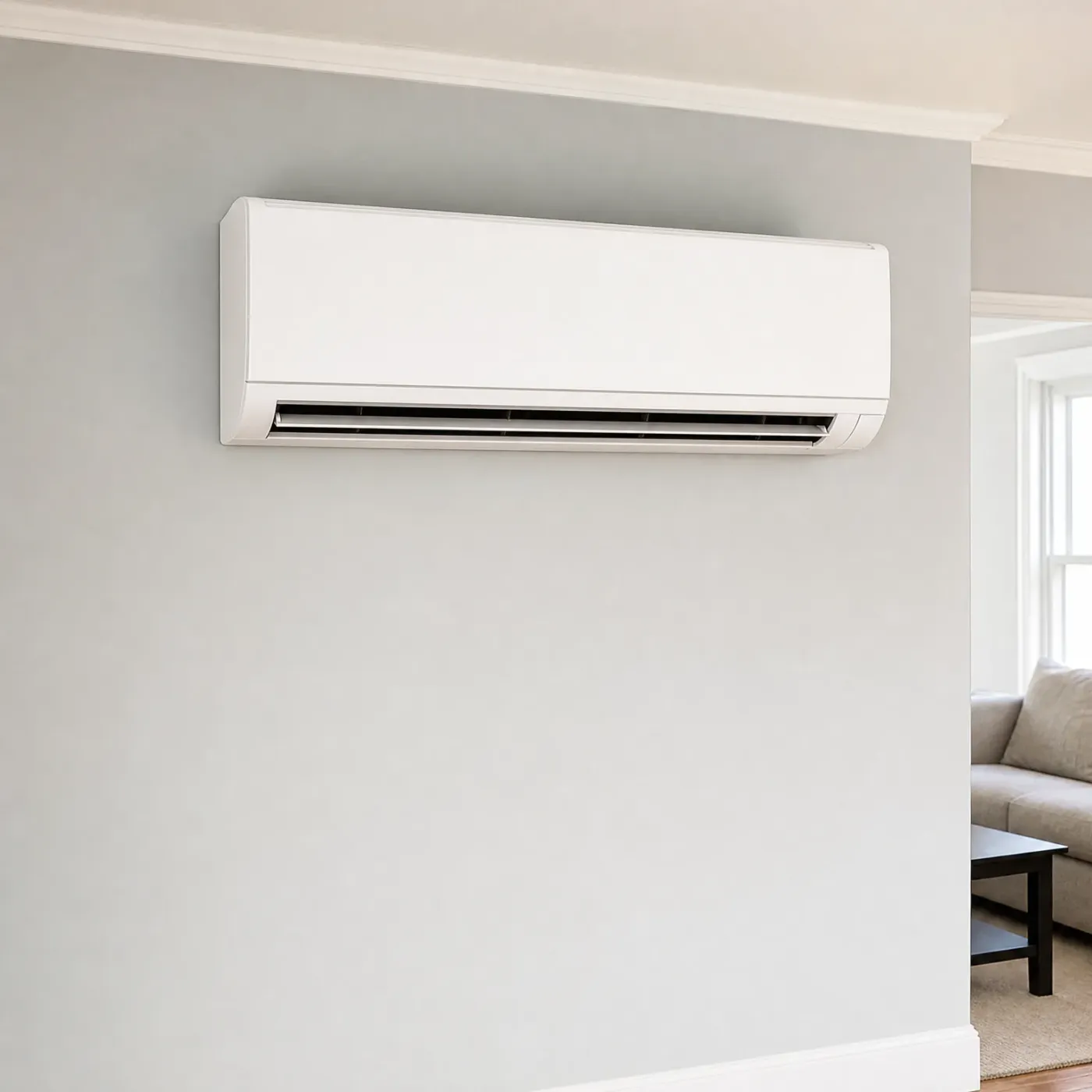
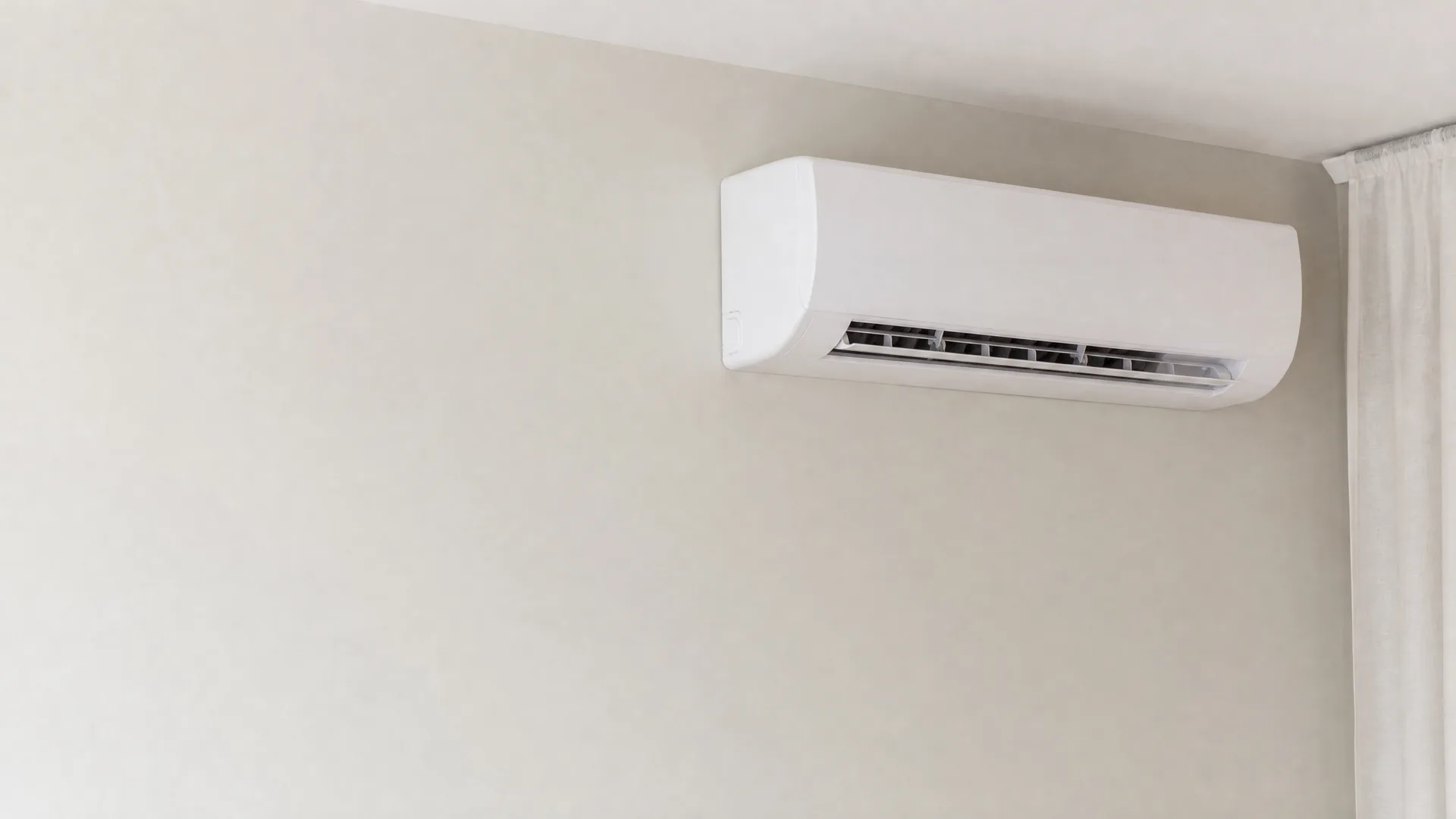
A white wall-mounted mini-split air conditioner indoor unit shown straight-on against a plain light gray background.
Hand it off

Yes, a mini split can run all winter in North Carolina, and most homes here heat with it instead of a furnace. A mini split is a heat pump, so instead of burning fuel, it pulls heat from the outside air and moves it inside, even when it's cold out. Modern units keep doing this efficiently well below freezing, which covers nearly every winter day you'll see here. On the coldest nights, some units switch to backup electric heat or run a defrost cycle to clear frost off the outdoor coil, and that's normal, not a sign of trouble. What matters for you is keeping the system able to do its job: a dirty filter or a blocked outdoor unit makes it work harder and can push up your electric bill without you noticing why. Running it all winter is expected. Running it well takes a little upkeep.

A smiling man with dark curly hair in a navy t-shirt sits on a gray couch indoors, with a large-leafed plant and a window in the background.
A bearded man in a plaid flannel shirt stands in a kitchen looking out a window toward snow-covered shrubs, with a steaming mug on the windowsill and potted plants on a shelf behind him.
  1. The outdoor unit pulls heat from cold outside air

  2. Refrigerant carries that heat to the indoor unit

  3. The indoor coil releases heat into the room air

  4. A blower pushes warm air out across the room

How does a mini split keep heating when it's freezing outside?

The lead section already told you a mini split pulls heat from outside air and the steps laid out the order it happens in. What's left is the part that worries people: North Carolina gets real cold snaps in January, and it seems backward that a unit could still find heat in air that cold. You want to know what's actually happening inside the unit when the temperature drops, not just that it works.

It compresses the refrigerant harder to pull heat from colder air

Cold air still holds heat, just less of it. The compressor works harder to pull what's there out of it, so the colder it gets outside, the more the system runs to keep the same room warm. That's normal. You'll notice the outdoor unit cycling longer on a hard freeze than it does on a mild December night. Most mini splits installed in North Carolina are rated to keep producing heat well below freezing, down into single digits on some models. Output does drop off as it gets colder, which is why a unit sized right for your home matters more here than in a state that barely sees frost.

A white wall-mounted mini-split indoor unit installed high on a gray interior wall, with a sofa, dark table and window visible in an adjoining room to the right.

Running right through winter

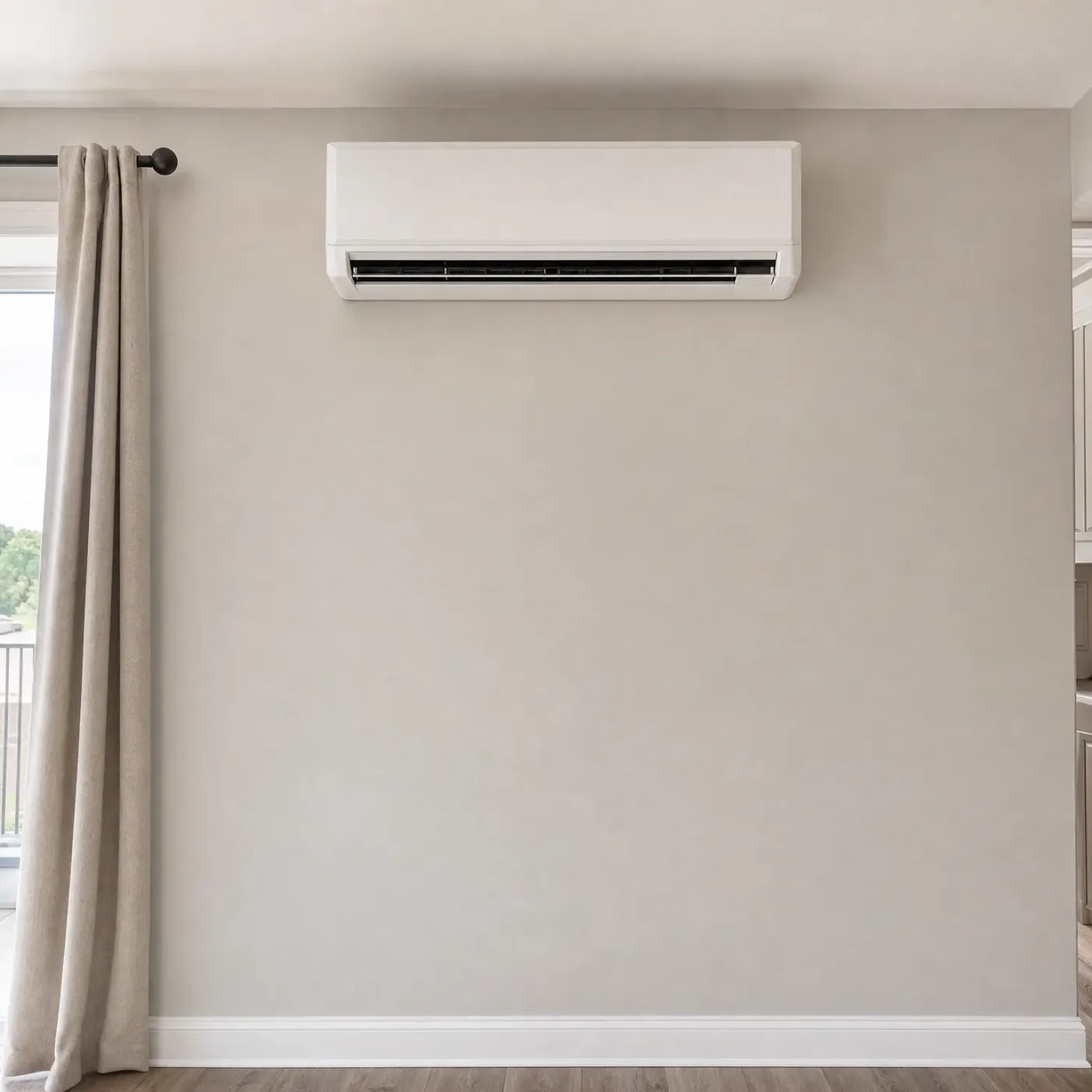
A mini split that's keeping up looks like this. Air moves out of the vents without a rattle, the room holds its temperature, and the case stays clean and white. Filters still need a rinse every few months so the coil behind them stays free to do its job.

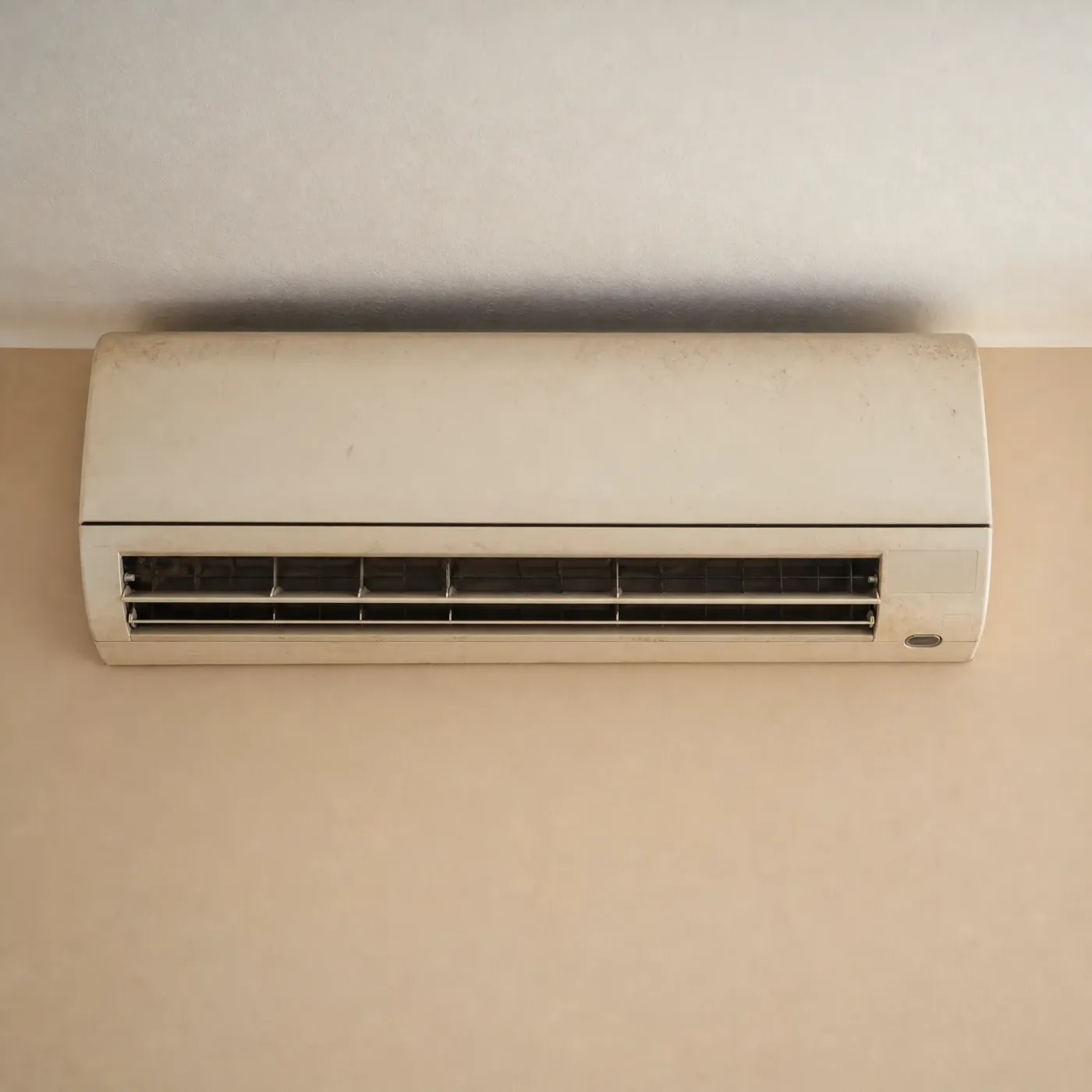
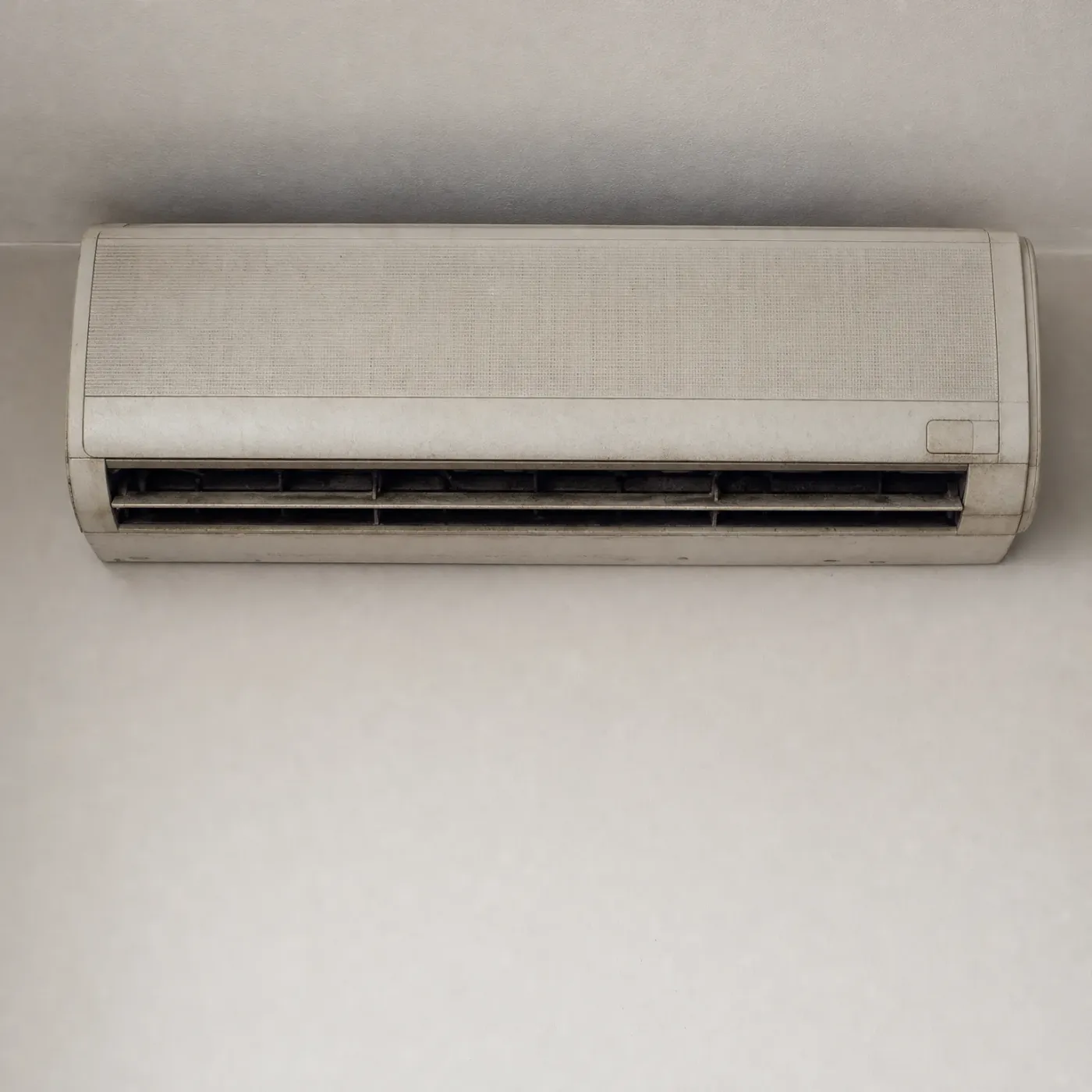
A wall-mounted mini-split air conditioner indoor unit with a dusty beige casing and dark louvered vent, installed near the ceiling on a plain beige wall.

Running into trouble

Yellowing on the case and a layer of dust across the front usually mean the filters haven't been cleaned in a while. That buildup makes the unit work harder to push air through, and in a North Carolina winter that's extra strain it doesn't need.

Power costs 14.00 cents per kilowatt-hour statewide

At 14 cents per kilowatt-hour, running your mini split all winter costs about what running electric baseboard or a heat strip would, maybe less, since it's moving heat rather than making it. A dirty filter or a coil losing its charge makes it work harder for the same warmth, and that shows up on the bill before it shows up as a breakdown.

EIA-861 2025 statewide residential average

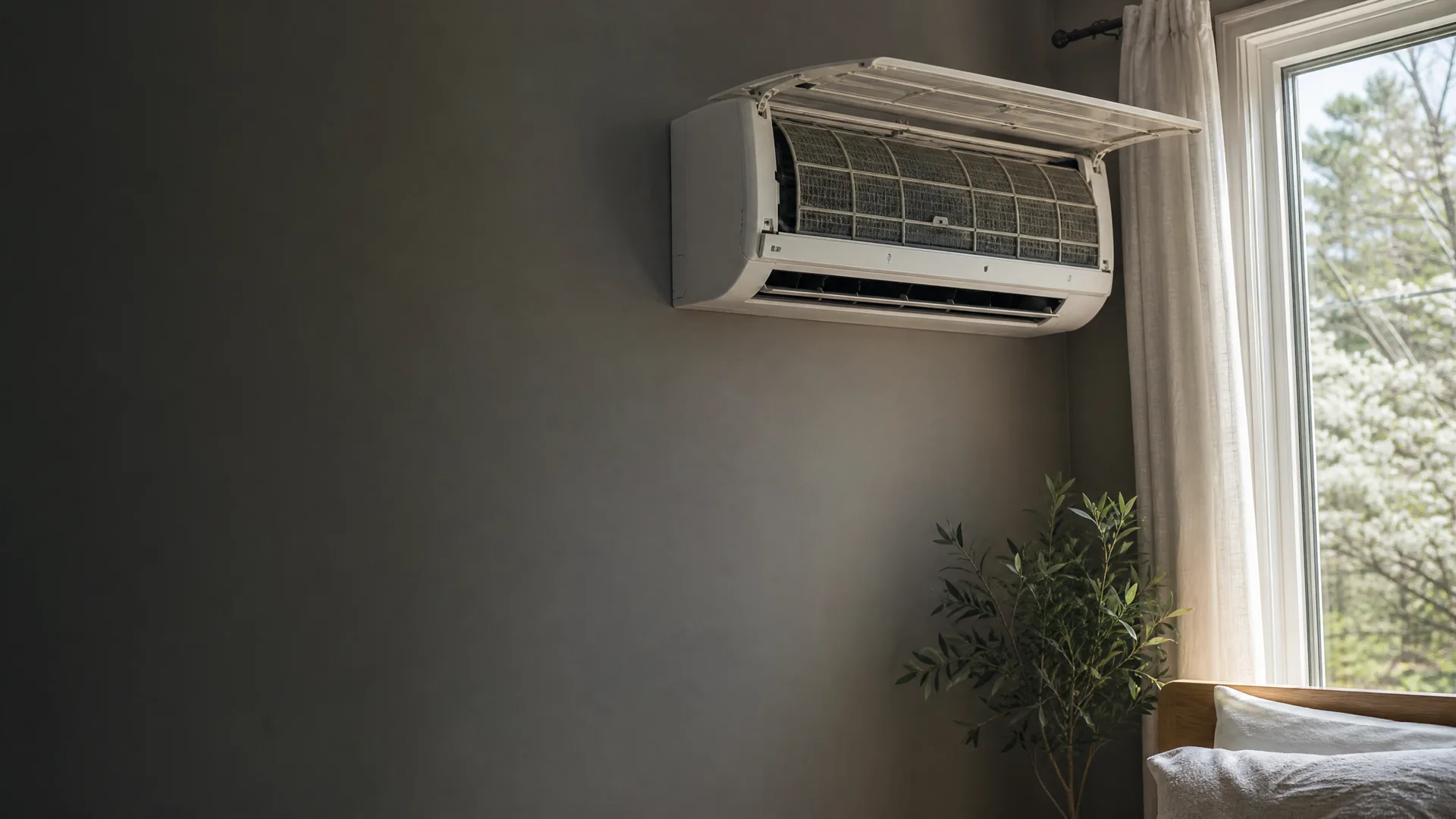
A wall-mounted mini-split air conditioner with its front cover open exposing the filters, on a gray interior wall beside a curtained window with green trees outside and a potted plant below.

It's a mild spring afternoon and the light through the blinds is doing that slow yellow thing it does in April. You've got the front cover of the indoor unit popped open because the air coming out stopped feeling as cold as it should, and there it is. The filter screen is grey with dust, matted enough that you can see it's been months since anyone looked. You weren't dealing with a breakdown. You just wanted to know why the bedroom felt a little off before it turned into something worse, and now you're holding the filter up to the window light, deciding whether to rinse it or hand the whole thing to someone who does this every week.

Send one request and you're done looking

A mini split working that hard from November through March needs the filter and coil checked before the cold sets in, not after it starts blowing weak air on a 25 degree morning. Someone who services these units all winter in your part of North Carolina knows which models lose their charge first and which outdoor units ice up and don't clear on their own. Sending the request puts it in front of one licensed local contractor instead of scattering it to several, and that's the one who shows up already knowing what tends to go wrong with your system this time of year. You don't have to track down who's any good or wait on hold to find out. Send it and let someone who does this every winter take it from here.

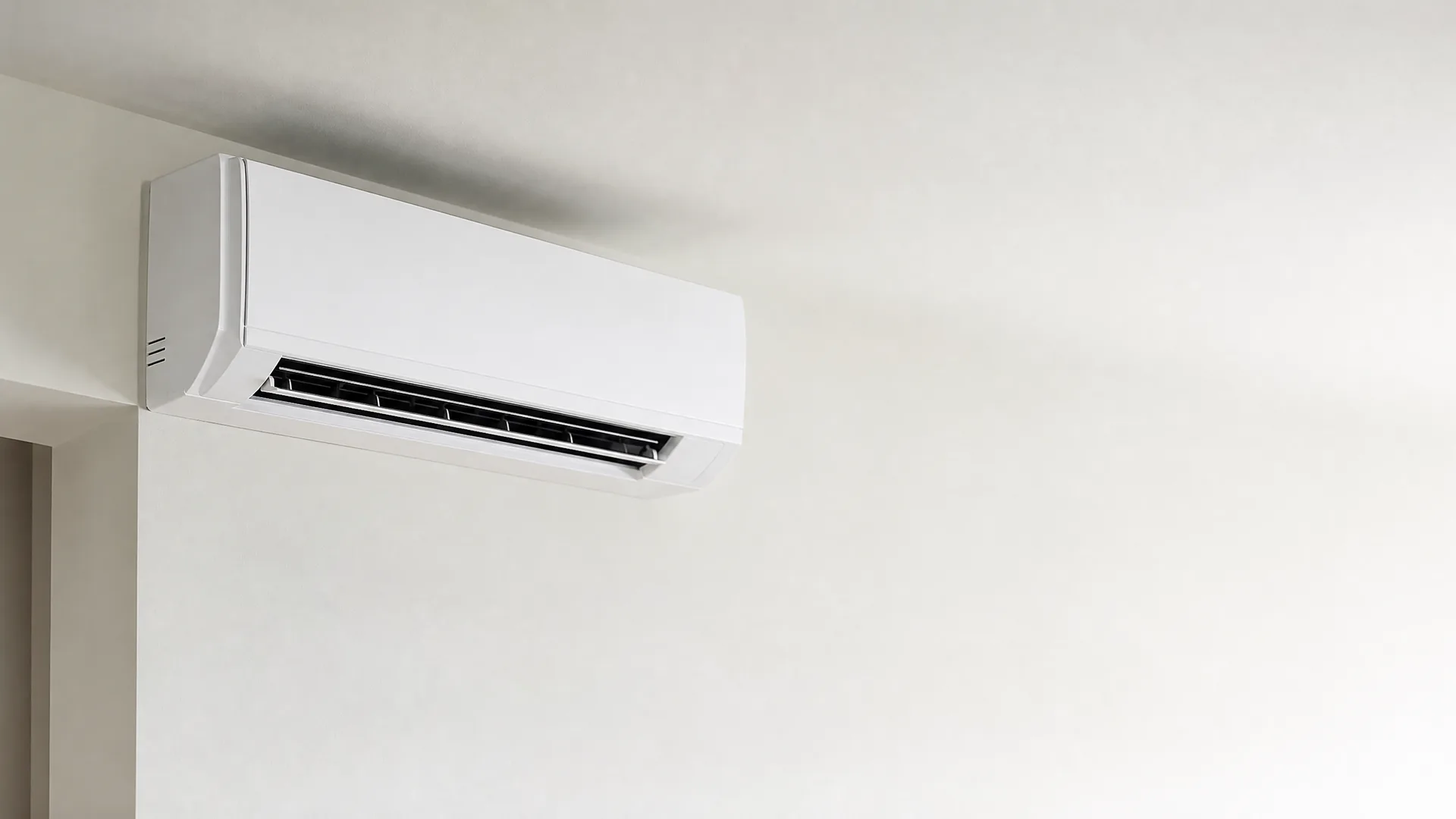
A white wall-mounted mini-split air conditioner unit near the ceiling on a plain light-colored interior wall with open space to the right.

What defrost mode actually does

When the outdoor coil gets cold enough to frost over, the system switches direction for a few minutes and sends warm refrigerant outside to melt it off. You might notice the outdoor fan stop and steam rise off the unit. That's normal. The indoor fan usually pauses too, or you'll feel a brief blast of cooler air before it swings back to heating.

A white wall-mounted mini-split air conditioner unit installed near the ceiling on a plain beige interior wall, with a light curtain at the right edge.

Why the outdoor unit needs room

Leaves, pine straw and mulch piled against the outdoor unit block the airflow it needs to pull heat from. So does a deck rail or bush set too close. A few inches of clearance on all sides lets it breathe. If snow or ice ever builds up around the base, the unit has to work harder to move the same amount of heat into the house.

Why does your mini split feel weaker on cold mornings

You notice it first thing, before the house warms up. The air out of the vents feels cooler than it should, or the unit runs a long time without the room catching up. Maybe there's a hiss from outside, or the indoor fan seems to labor. Sometimes the outdoor unit looks iced over well past when defrost should have cleared it. These are usually signs the coil is dirty or the filter is clogged, making the system pull double duty to move the same amount of heat. Left alone through a full winter, that strain adds to your power bill and can shorten how long the unit lasts before something inside actually fails.

A single-story red brick ranch house with a gray shingled roof, white-framed windows and a central dark front door, fronted by a wide asphalt driveway, green lawn and large deciduous trees on both sides under a bright hazy sky.

Summers in North Carolina average a dew point of 67°F across June, July and August, according to NOAA climate data. That's heavy, sticky air, and it's your mini split's other job, since the same system pulling moisture out of the house all summer is the one keeping you warm come winter. A coil caked with grime from months of wringing out humidity doesn't give up heat as easily once the cold sets in. If the unit struggled to keep the house cool in August, that same coil is working against you in January.

NASA POWER T2MDEW county cells weighted by homes

A dusty white wall-mounted mini-split air conditioner indoor unit with open louvers, installed near the ceiling on a plain light-colored wall.
Before you get your mini split maintenance
A white wall-mounted mini-split air conditioner unit high on a light gray interior wall, with a beige curtain and window at the left and wood-look flooring below.
After you get your mini split maintenance

Winter heat, handled on its own

  • A mini split handles North Carolina winters on its own, pulling heat from outside air down into the 20s and defrosting itself when frost builds on the outdoor coil.
  • Most homes here run one as the main heat source instead of a furnace, with electric rates holding it close to what baseboard heat or a heat strip would cost.
  • A dirty filter or a coil low on charge is what turns a normal winter into a weak-airflow, long-runtime winter.
  • Weak airflow on a cold morning is worth checking before it turns into no heat on the next freeze.
  • Someone who works on these units all winter in your part of North Carolina knows which parts tend to fail first in this climate.

A mini split in North Carolina is built for exactly what the winters here ask of it. The outdoor unit keeps pulling heat from the air down into the 20s, and when frost builds on the coil, it defrosts itself and keeps going. That's why most homes here run one as the main source of heat instead of a furnace, and why electric rates make it a fair trade against baseboard heat or a heat strip rather than a costly one. What changes that picture isn't the cold. It's upkeep. A filter clogged with dust or a coil that's lost some of its refrigerant charge makes the system work harder to move the same amount of heat, and that shows up as longer runtimes and air that never quite feels warm enough. Left alone, that strain is what turns a system that was fine in December into one that's struggling by February. None of it announces itself all at once. It shows up first as weak airflow on a cold morning, or a room that takes longer than it used to catch up to the thermostat. That's the point to have it looked at, not after a hard freeze makes the problem impossible to ignore. Someone who services these units through a Carolina winter knows the parts that wear first in this climate and what a system should sound and feel like when it's running the way it's supposed to.

A smiling man in a gray long-sleeved shirt stands in a kitchen looking to the side, with open shelves of dishes, a white mug on the counter, a potted plant, and a view through a doorway into a living room.
A smiling bearded man in a green sweater sits at a white marble kitchen island with a mug, potted plant and bowl of fruit, in a bright white interior with open shelving and an arched doorway.
A smiling man with dark curly hair and a beard, wearing a dark green knit sweater, stands at a white marble kitchen counter with a dark blue mug, with open shelving, pendant lights and a houseplant behind him.
A smiling man in a green ribbed sweater stands behind a wooden table holding a ceramic mug of coffee in a kitchen with white subway tile, shelves of potted plants, and a bowl of fruit.

Mini Split Maintenance

Finding a pro stops being your job

Only one pro gets your request, so you hear from one company.

A black-framed smartphone standing upright against a plain white background, its screen filled with solid green.
Step 1 of 3: Equipment