Tell us about the job
Takes about a minute. No obligation.
Sizing a mini-split in Macon County starts with what the terrain and seasons actually ask of the equipment, not with bracing for a punishing weather record. 35 severe weather events were recorded in Macon County, North Carolina between 2015 and 2024. At that rate, severe weather is an occasional event rather than a standing operating condition, which means a contractor quoting an install here is focused on the right unit capacity for the home's envelope and the local heating and cooling load. A system that fails here fails for reasons a good installation addresses up front: equipment fit, refrigerant line quality, and the work done on day one.
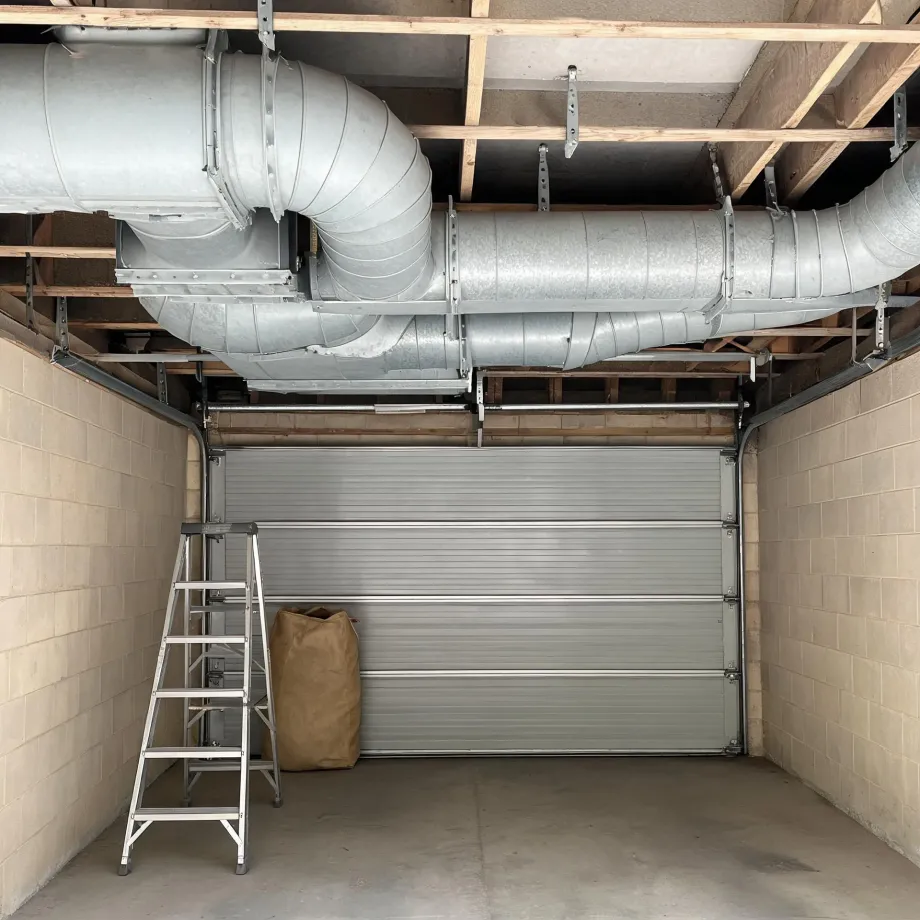
Ductwork is not a variable for mini-split installation, but the electrical service is, and in housing stock this old it is the variable that controls the job. Half the homes in Macon County, North Carolina were built in 1987 or earlier (2020-2024 ACS 5-year). A house built for the equipment of that era carries a panel that was never sized with a mini-split load in mind, and a contractor has to read what is actually there before they can commit to a configuration or a circuit run. What that panel turns out to contain decides whether the installation proceeds as quoted or whether the electrical work comes first.
The Parts of a Mini-Split System and What Gets Installed
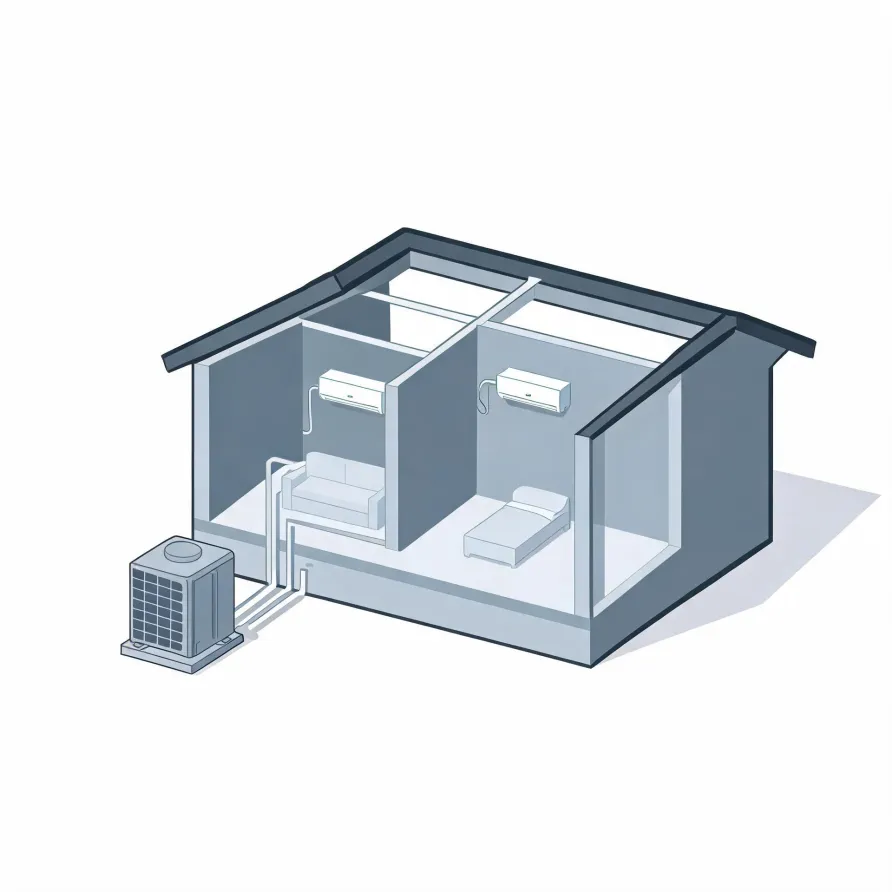
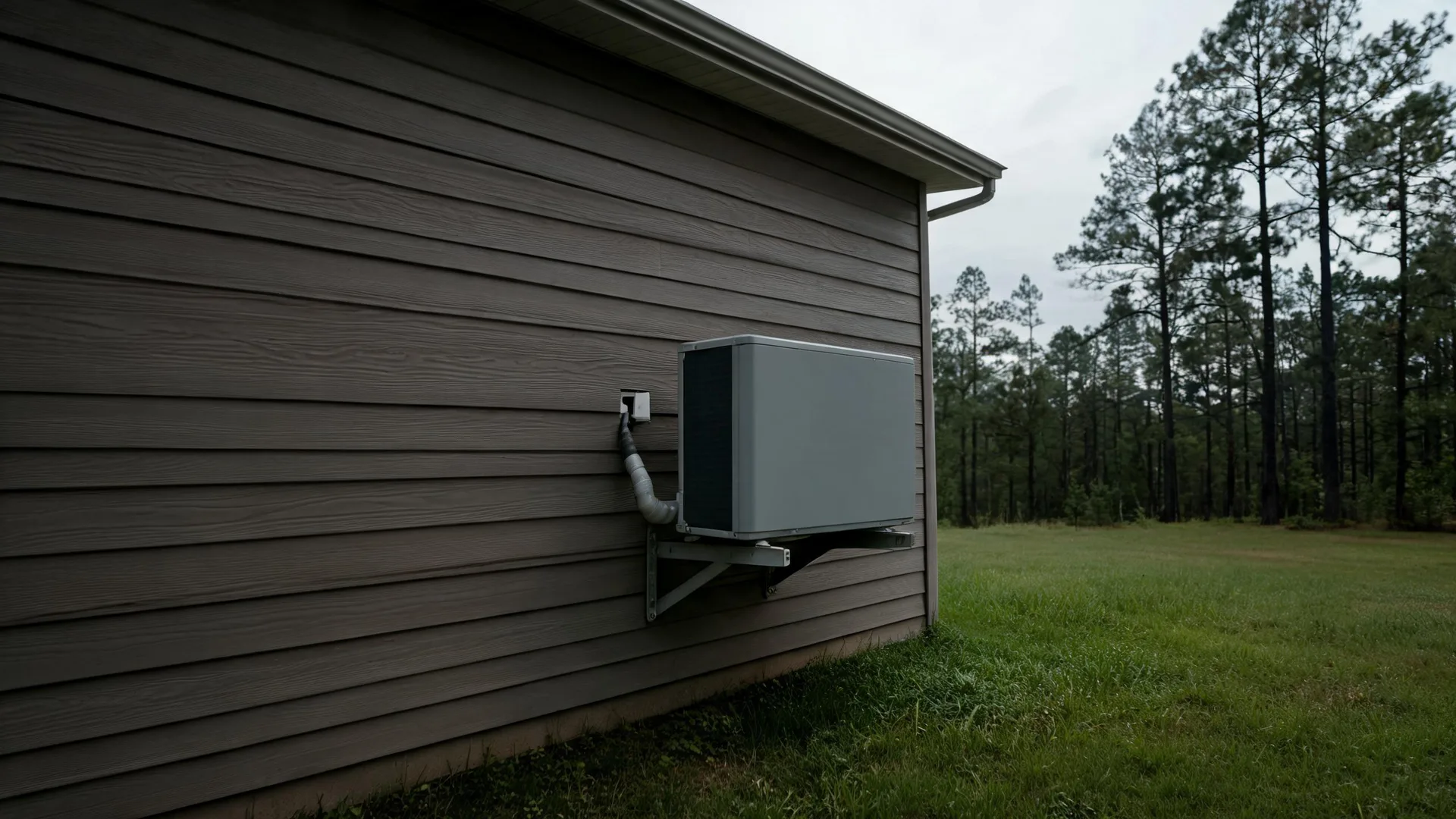
The indoor air handler mounts high on an interior wall inside the room being conditioned. It is the unit a homeowner sees every day, and it is where conditioned air enters the space. The outdoor condenser sits on a pad or bracket outside the house and carries the compressor and the components that exchange heat with the outside air.
A refrigerant line set runs through a small hole in the wall to connect the two units, bundled alongside a condensate drain line and the electrical wiring that ties the system together. A wall-mounted thermostat or remote control goes in alongside the indoor unit, giving the occupant direct control over that zone.
The drawing shows a general layout of how these pieces relate to one another, and a licensed contractor determines exactly how the system is configured for a given house.
Find a contractor in Macon CountyMacon County by the Numbers
35 severe weather events were recorded in Macon County, North Carolina between 2015 and 2024.
NOAA National Centers for Environmental Information, Storm Events Database, bulk CSV export, events 2015-01-01 through 2024-12-31.Half the homes in Macon County, North Carolina were built in 1987 or earlier (2020-2024 ACS 5-year).
U.S. Census Bureau, 2020-2024 American Community Survey 5-Year EstimatesMacon County, North Carolina holds 27,216 housing units (2020-2024 ACS 5-year).
U.S. Census Bureau, 2020-2024 American Community Survey 5-Year EstimatesOwners occupy 77.6% of the occupied homes in Macon County, North Carolina (2020-2024 ACS 5-year).
U.S. Census Bureau, 2020-2024 American Community Survey 5-Year EstimatesRules and Standards Governing Mini-Split Work in Macon County, North Carolina2 sourced rules and standards
What Macon County and North Carolina Require for This Work
North Carolina issues Class I heating licenses covering all systems in all structures, and Class II licenses covering heating systems in single-family detached residential dwellings.
North Carolina requires a license before any person or firm may engage in, or offer to engage in, the business of heating contracting.
Severe Weather Events in Macon County
Heating and cooling equipment carries the load that local weather places on it, and in Macon County that load is shaped by the storms and temperature swings the area actually sees. A mini-split sized and installed for those conditions performs differently than one spec'd from a national average.
35 severe weather events, 2015–2024. Source: NOAA National Centers for Environmental Information, Storm Events Database.