Tell us about the job
Takes about a minute. No obligation.
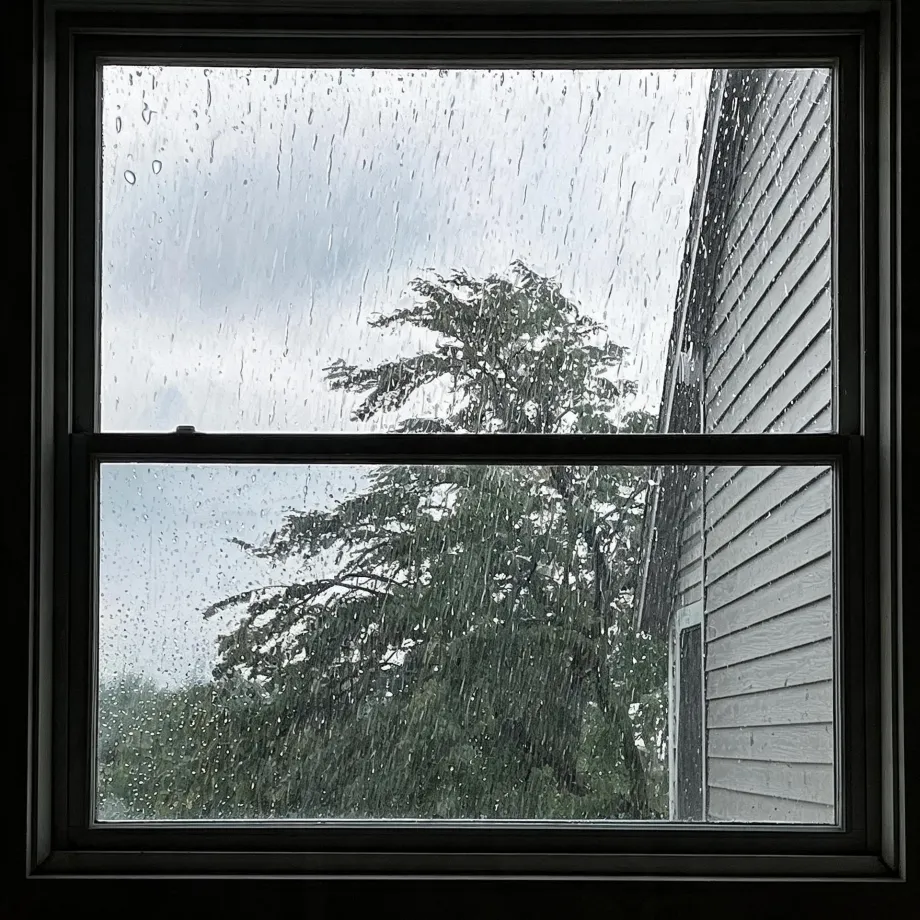
A contractor quoting a mini-split installation in Watauga County has to account for what the local climate actually demands of the equipment, and that starts with sizing. 119 severe weather events were recorded in Watauga County, North Carolina between 2015 and 2024. Severe weather at that rate means the system will run hard against real conditions, not mild ones, and a unit sized to catalog minimums will work against its own limits from the first season. Getting the capacity and placement right from the start is what keeps a contractor from coming back to fix what a loose spec left behind.
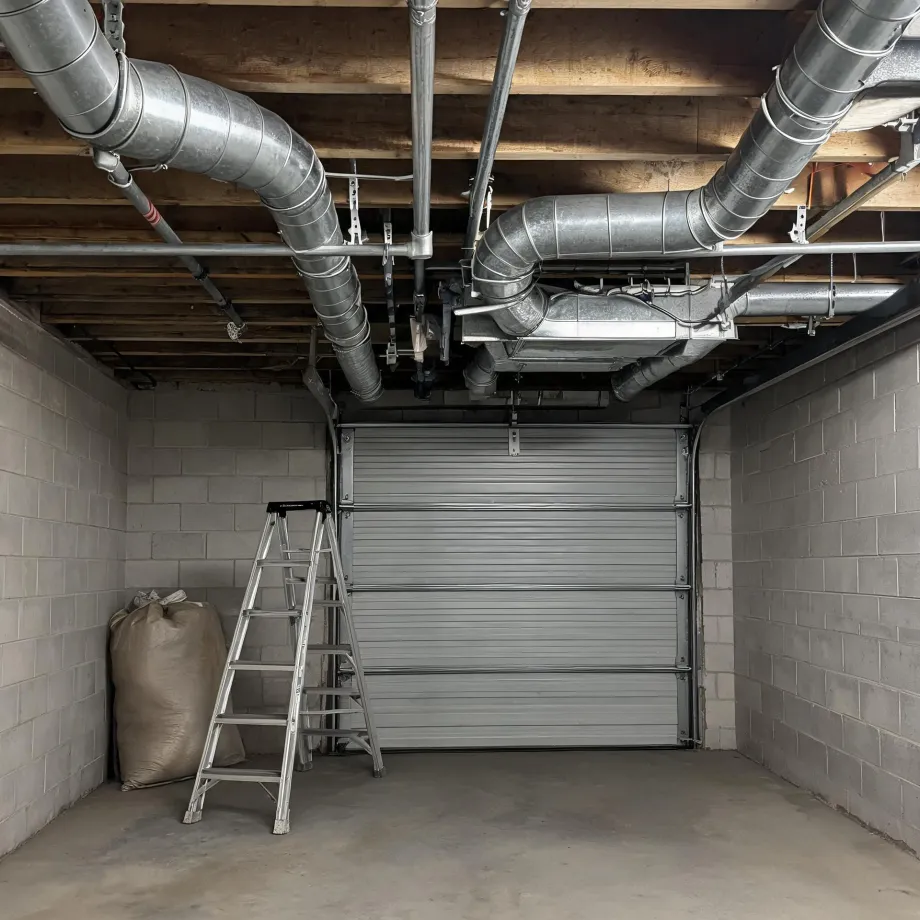
The electrical panel in much of this county's housing was designed around whatever was standard when the house was framed. Half the homes in Watauga County, North Carolina were built in 1988 or earlier (2020-2024 ACS 5-year). A mini-split draws differently from older resistance heat or window units, and a panel built for those loads may not have the capacity a new system requires without an upgrade. That is a cost the homeowner finds out about during the quote, not after it, and what the contractor measures at the panel determines whether it shows up on the bill.
The Parts of a Mini-Split System and What Gets Installed
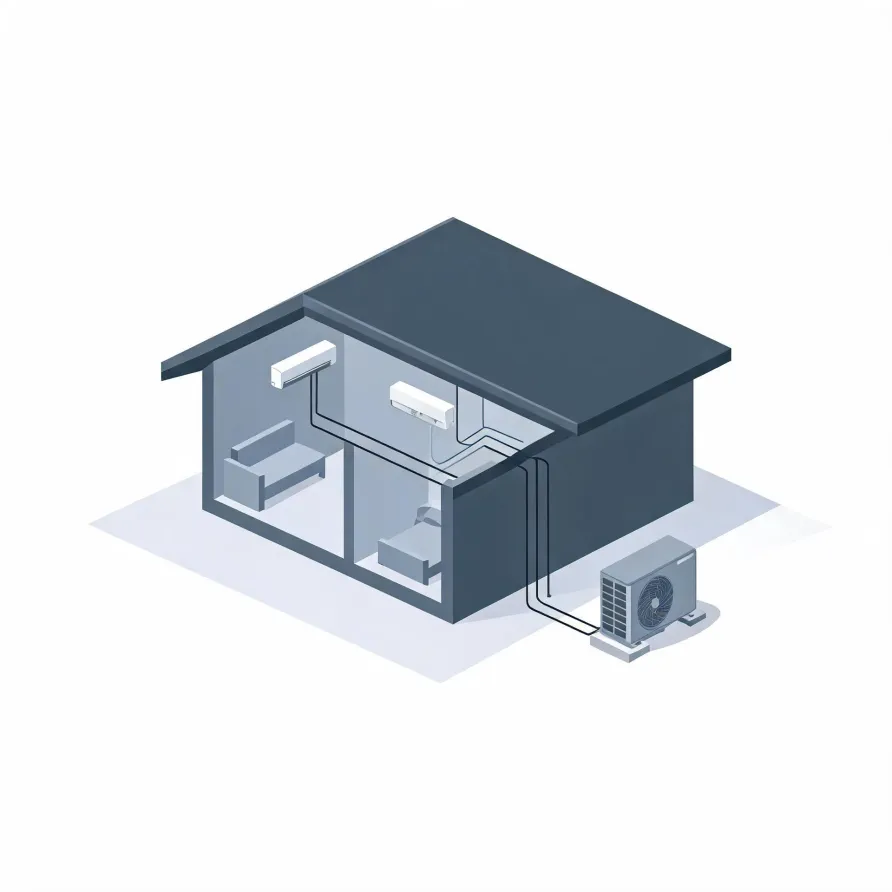
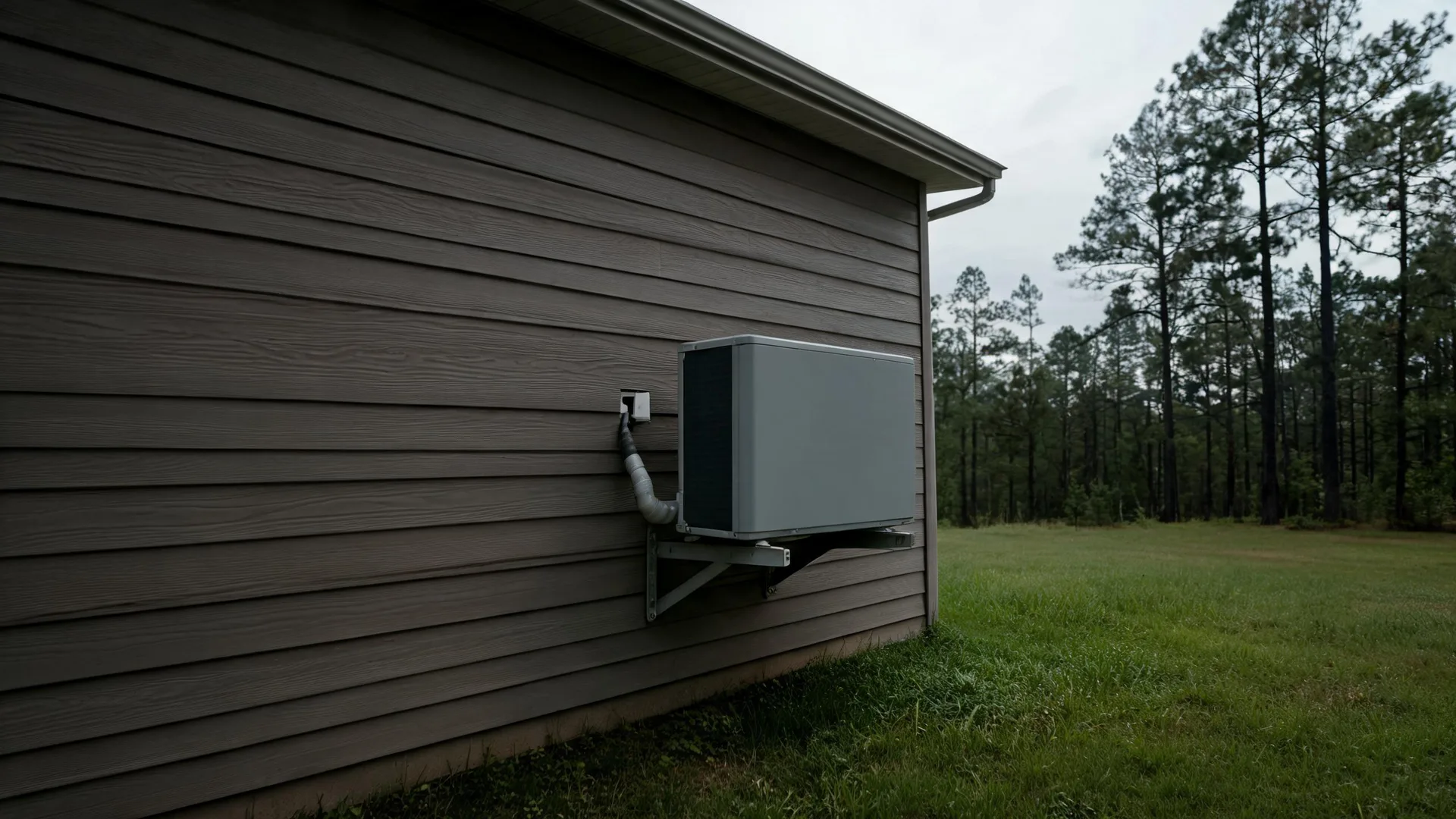
The indoor air handler mounts high on a wall inside the room being conditioned. It is the piece a homeowner sees every day. The outdoor condenser unit sits on the ground or on a bracket outside the house, and it carries the compressor and the fan that do the system's heaviest work.
A set of refrigerant lines runs through a small opening in the wall to connect the two units, and a condensate drain line carries moisture from the indoor handler to the outside. A dedicated electrical circuit ties into the system at both ends, and a wall-mounted thermostat or remote gives the occupant control over each zone.
The drawing shows a typical layout, and a licensed contractor determines exactly how each piece is positioned and connected in your home.
Find a contractor in Watauga CountyWatauga County, by the numbers
119 severe weather events were recorded in Watauga County, North Carolina between 2015 and 2024.
NOAA National Centers for Environmental Information, Storm Events Database, bulk CSV export, events 2015-01-01 through 2024-12-31.Half the homes in Watauga County, North Carolina were built in 1988 or earlier (2020-2024 ACS 5-year).
U.S. Census Bureau, 2020-2024 American Community Survey 5-Year EstimatesWatauga County, North Carolina holds 33,355 housing units (2020-2024 ACS 5-year).
U.S. Census Bureau, 2020-2024 American Community Survey 5-Year EstimatesOwners occupy 62.1% of the occupied homes in Watauga County, North Carolina (2020-2024 ACS 5-year).
U.S. Census Bureau, 2020-2024 American Community Survey 5-Year EstimatesCodes & Standards Governing Mini-Split Work in Watauga County, North Carolina2 sourced rules & standards
What Watauga County, North Carolina Requires for This Work
North Carolina issues Class I heating licenses covering all systems in all structures, and Class II licenses covering heating systems in single-family detached residential dwellings.
North Carolina requires a license before any person or firm may engage in, or offer to engage in, the business of heating contracting.
Severe Weather Events in Watauga County
Weather puts a load on heating and cooling equipment, and how hard that load runs depends on where the equipment lives. A mini-split sized and installed for Watauga County's conditions handles the actual work, not an average guess.
119 severe weather events, 2015–2024. Source: NOAA National Centers for Environmental Information, Storm Events Database.