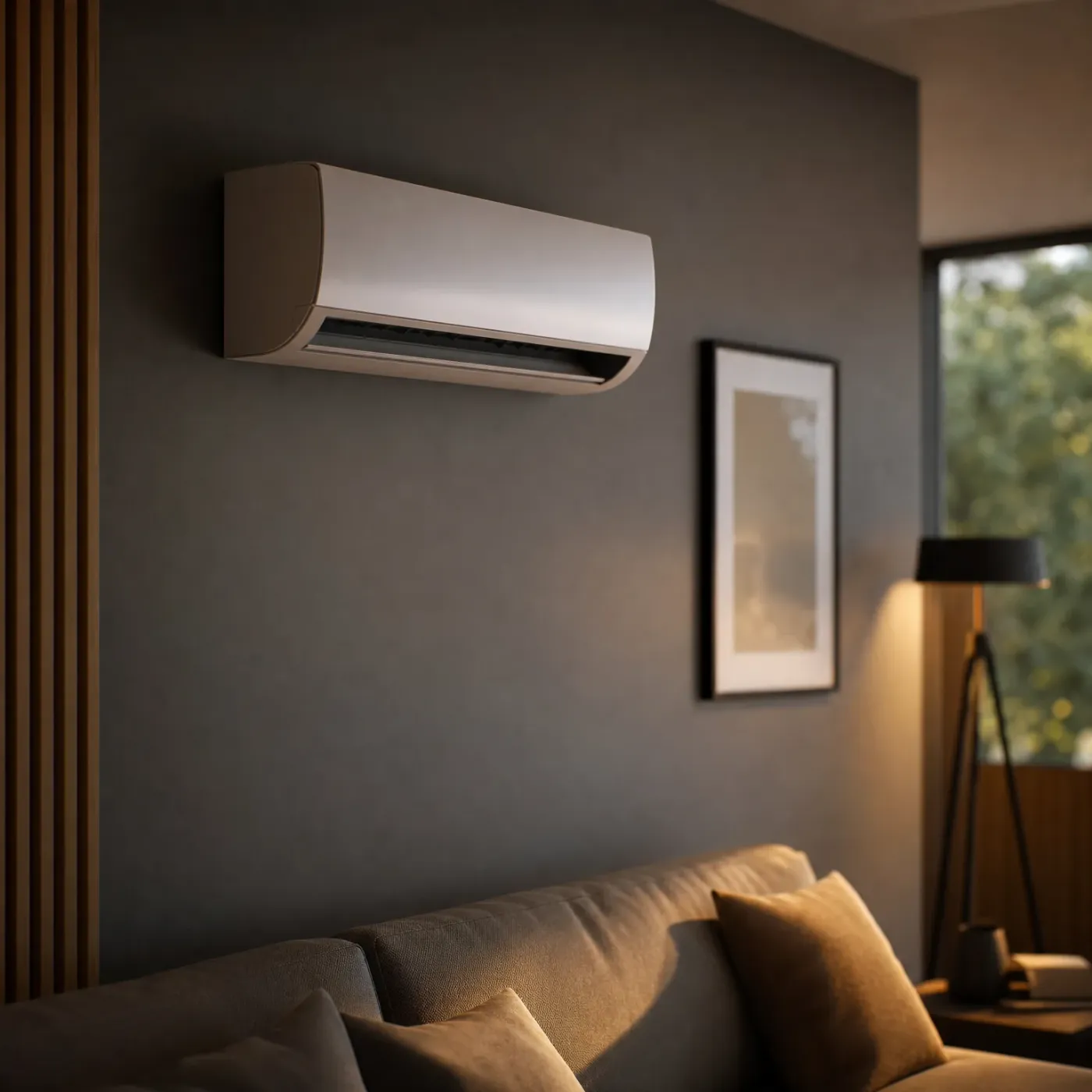
A white wall-mounted mini-split indoor unit on a gray interior wall above a beige sofa, with a framed picture, a floor lamp, wood slat wall trim, and a window showing green foliage.

Matched to your mini split job

Is a cold-climate mini split worth it in North Carolina

A cold-climate mini split has to earn its keep two ways here: through a muggy North Carolina summer and a winter where electric heat runs the bill up. This page gets into what that model actually does in your house, and what installing one right takes. Skip the round of calls and quotes and get matched with a contractor who installs them.

Find my pro

A cold-climate mini split is worth it in North Carolina, mainly for what it does in winter. Most homes here heat with electric resistance, baseboard or an old furnace strip, and that's expensive to run. A cold-climate model keeps pulling heat out of outdoor air well below freezing, where a standard heat pump gives up and leans on backup electric heat to keep the house warm. That backup strip is what drives electric bills up on the coldest nights. A cold-climate unit avoids leaning on it as much, because its compressor keeps working in the cold instead of shutting down. In summer it does the job any mini split does here, pulling moisture out of sticky air efficiently. The gain is real, but only if the unit is sized for your house and installed to actually hit its rated output in low temperatures. That part depends on who puts it in.

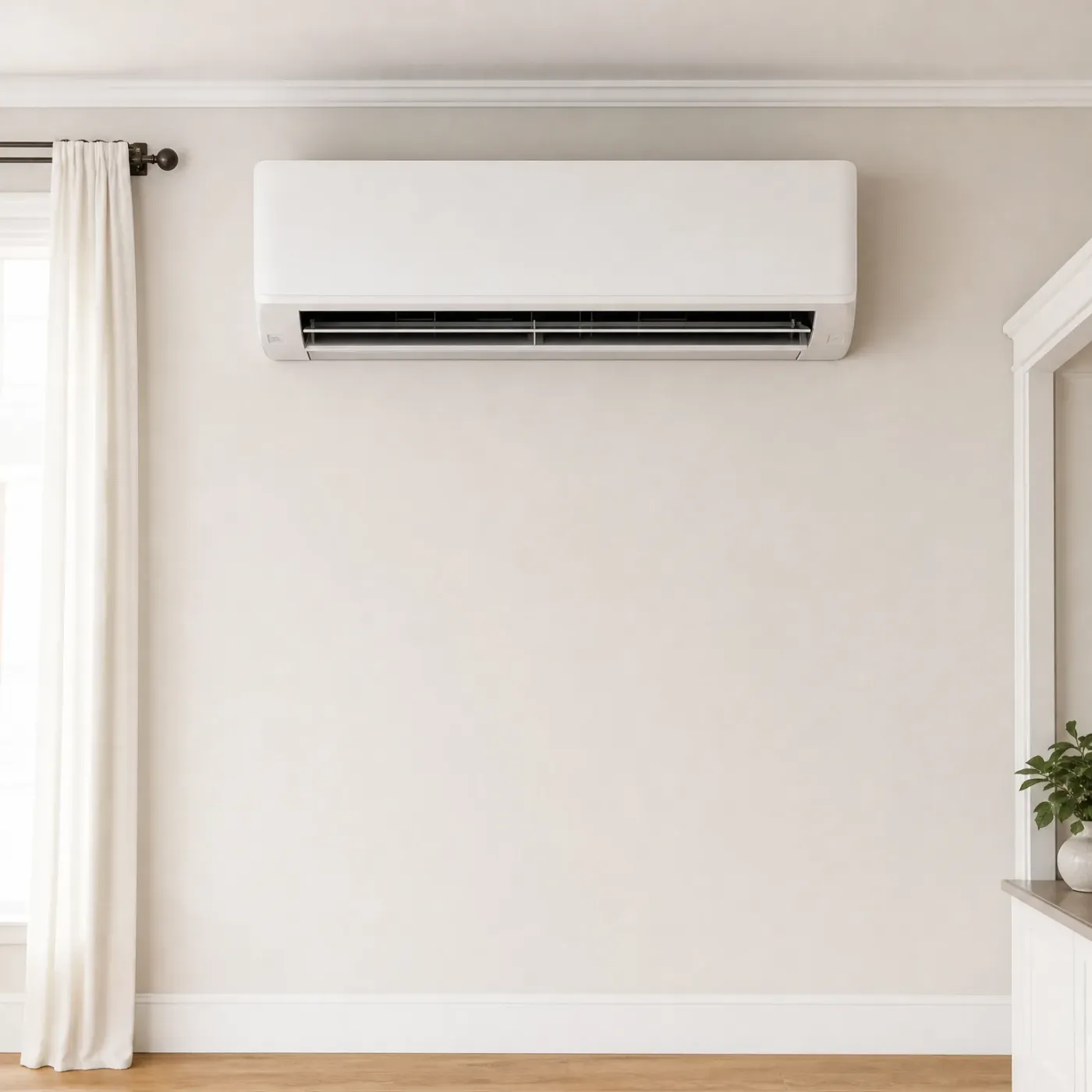
A white wall-mounted mini-split air conditioner on a beige interior wall, with a cream curtain and window at left, a potted plant on a ledge at right, and a wood floor below.

Running the way it should

A mini split like this one holds its temperature without straining, in July heat or January cold. Air moves freely from the vents. Nothing about it demands attention, which is the point of a system sized and installed correctly from the start.

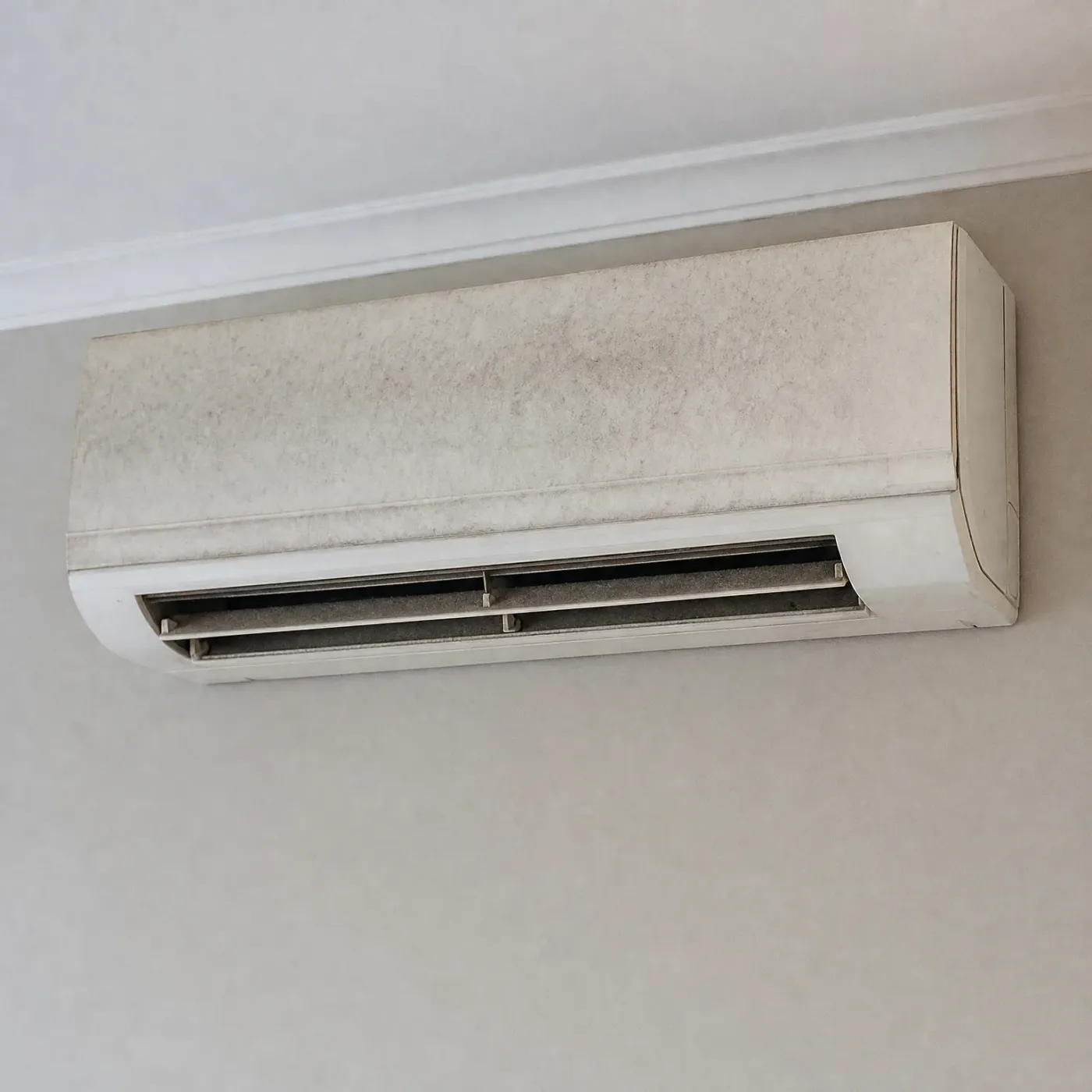
A dusty, discolored white wall-mounted mini-split air conditioner unit installed high on a plain interior wall below a white ceiling molding.

What a neglected unit costs you

Dust like this across the coil blocks airflow, so the unit runs longer to do the same job. In a North Carolina summer that shows up on the power bill. Left this way through winter too, it loses the efficiency that makes a cold-climate model worth having.

Why does one room still feel off

You might notice the bedroom never quite catches up on the muggiest August nights, or the unit runs almost nonstop in January without the room feeling warm. Maybe you hear it cycling on and off more than it used to, or there's a thin layer of frost on the outdoor unit that doesn't melt off between cycles. Sometimes it's the electric bill creeping up each winter while the thermostat setting stays the same. None of this means the equipment is bad. It usually points to sizing or installation, how the unit was matched to the room and how the lines were set, charged and sealed. Get that wrong and you pay for it every month the system runs, summer and winter both.

A smiling woman with dark shoulder-length hair in a cream V-neck sweater sits at a marble counter with a glass of red wine, with a kitchen and softly lit living room behind her.
A woman in a dark green sweater laughs while seated at a marble kitchen island with a glass of red wine, with open shelving, cabinets and a living room visible behind her.
A woman with long dark hair in a cream knit sweater laughs while looking off to the side, seated at a counter with a glass of red wine, in a dimly lit living room with a sofa, lamp, framed pictures and houseplant behind her.
A smiling woman with long dark hair in a beige sweater sits at a marble kitchen counter with a glass of red wine, with a dimly lit living room behind her.

Standard vs. Cold-Climate Mini Split

Standard mini split

  • Heating output drops off once outdoor temperatures fall into the 30s and keeps dropping from there.
  • Below a certain outdoor temperature it may stop producing useful heat at all, leaving you back on electric resistance backup.
  • Costs less to install than a cold-climate model with the same cooling capacity.
  • Cools a muggy North Carolina summer just as well as the cold-climate version does.
  • On a mild winter night it runs about the same as a cold-climate unit would.
  • On the coldest nights of the year it leans harder on backup heat, and that backup is what runs your bill up.

Cold-climate mini split

  • Keeps pulling heat out of outdoor air well below freezing, where a standard unit has already given up.
  • Costs more up front than a standard mini split with the same cooling capacity.
  • Cuts into how much you rely on electric resistance backup through the winter.
  • Cools just as well in July and August as a standard model does.
  • The compressor is built to keep working efficiently at low outdoor temperatures instead of just cycling backup heat on.
  • Earns that higher install cost back through what it saves on the coldest nights, not the mild ones.
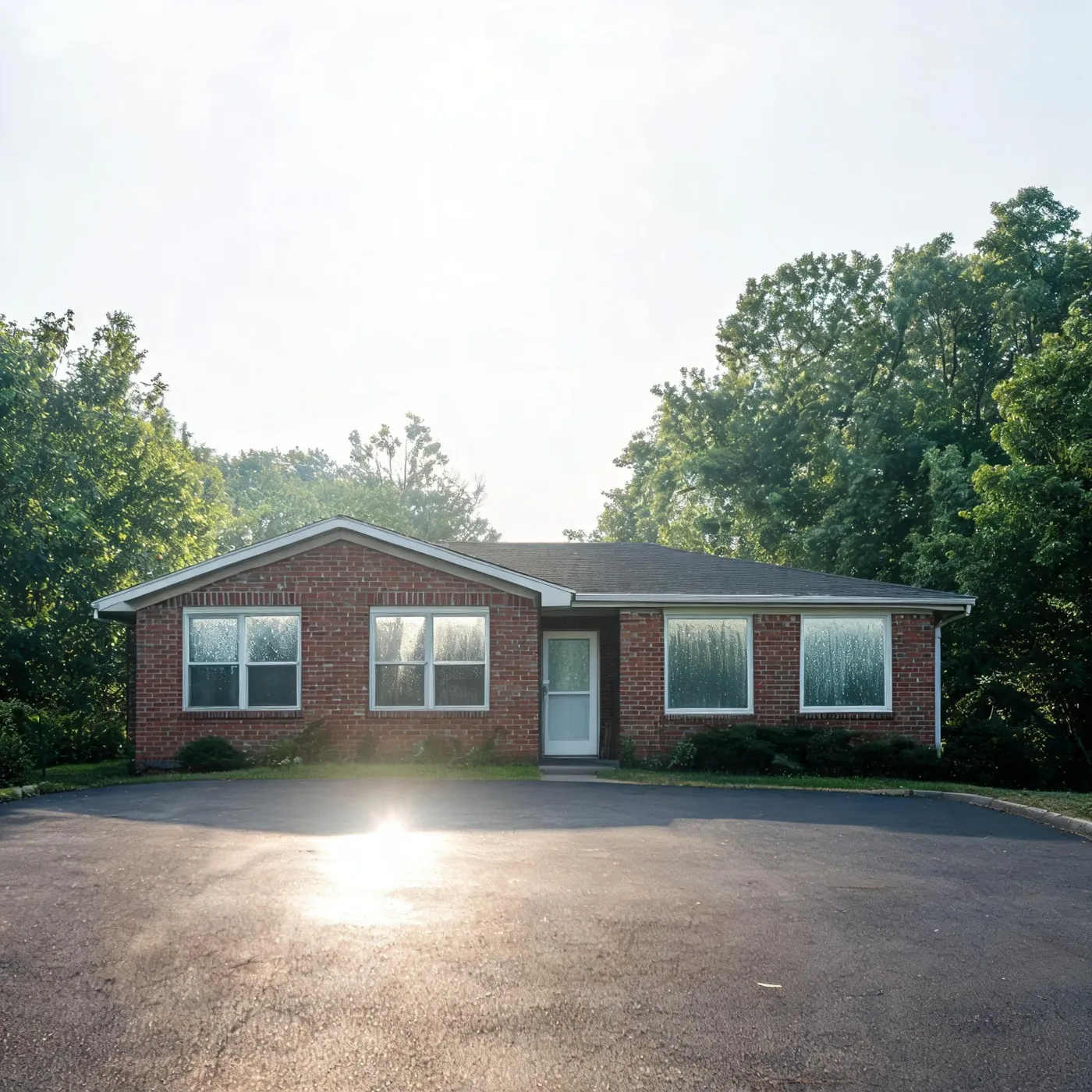
A single-story red brick ranch house with white-framed windows and a white storm door, fronted by a large asphalt parking area and backed by leafy green trees under a bright hazy sky.

That mugginess you feel outdoors in July follows your mini split indoors. North Carolina's summer dew point averages 67°F across June, July and August, according to NOAA climate data, and above 60 the air starts to feel heavy no matter what the thermometer says. Your mini split isn't just cooling the room, it's pulling that moisture out of the air it pulls in. A unit sized and installed for this climate keeps up with both jobs at once, so the room feels dry as well as cool. One that isn't will cool the air but leave it clammy, and you'll feel it the moment you walk in.

NASA POWER T2MDEW county cells weighted by homes

A mini split pro near you

A mini split that's already in your house, running wrong, is its own kind of hassle. You notice the bedroom that never catches up, or the unit short cycling, and then you're the one calling around for someone who actually works on cold-climate systems, not just standard ones. Not every installer sizes or sets these up the same way, and sorting that out over the phone with four or five different companies, explaining the same symptoms each time, is time you don't get back. Matching with a contractor who already handles this equipment in North Carolina skips that part. You explain it once. What they find when they get there, whether it's a sizing issue, a setup problem, or something else, is between you and them. But getting someone qualified in front of your system, instead of spending your evenings calling around, is the part this page takes off your plate.

Where that leaves you

  • A cold-climate mini split earns its cost in North Carolina mostly through winter, where it beats electric resistance heat on the bill.
  • Summer performance depends on whether the unit was sized for your home's heat load and moisture, not just square footage.
  • A unit that short cycles or leaves one room off temperature usually points back to a sizing or installation problem, not the equipment itself.
  • Where it's installed, how the lines were run, and whether the outdoor unit was commissioned correctly all affect how it performs for years.
  • The same model installed two different ways in two different houses can perform nothing alike.

A cold-climate mini split makes sense in North Carolina. The winter savings against electric resistance heat are real, and the equipment can handle the summer humidity when it's matched to your home. Whether yours is actually doing that is a separate question from whether the technology works. Sizing, line placement and commissioning decide the outcome as much as the unit itself, and two houses with the same model can end up with two different results depending on how the job was done.

If something feels off, that's usually where to look first, not at the equipment. A room that won't catch up, a unit that cycles more than it should, a summer electric bill that doesn't match what you were told to expect. Those point to how it was installed, not to cold-climate mini splits as a category.

Getting that looked at usually means finding a contractor who actually works on these systems, not just standard split units, and that search is its own chore. Calling around, explaining what the unit is doing in your house, getting quotes back that are hard to compare because nobody looked at the same thing. None of that gets easier on its own.

What you're left with is a straightforward read: the system is worth having here, and whether yours is worth keeping as is depends on whether it was set up right in the first place.
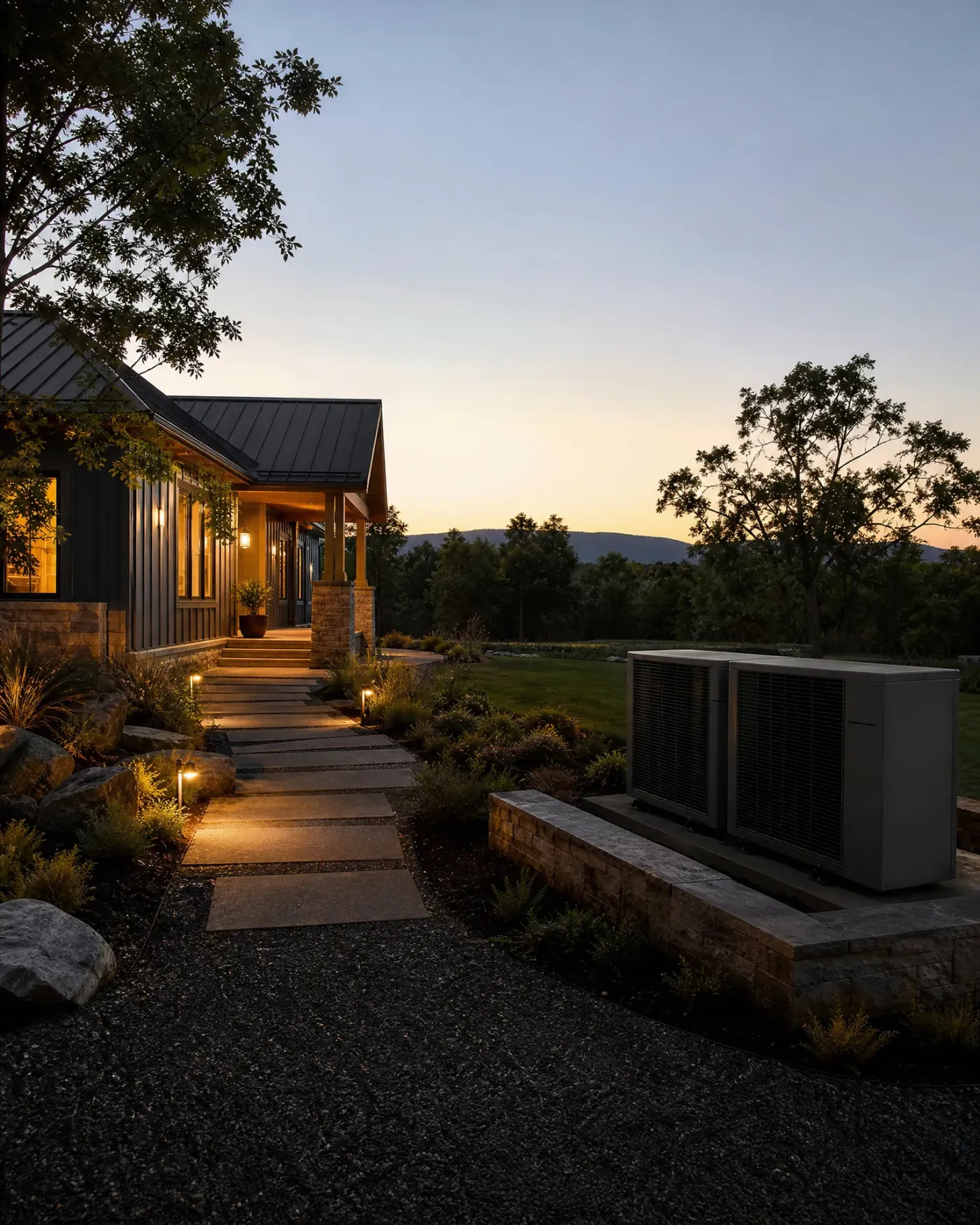
At dusk, a dark board-and-batten house with a standing-seam metal roof and lit entry walkway of stone pavers, with two large outdoor heat pump units on a stone-walled pad at right and trees and hills in the background.

Mini Split Installation

A local pro for your mini split installation

Step 1 of 3: Equipment
  • A dimly lit living room corner with a beige upholstered sofa holding a dark green cushion and a chunky knit throw, beside a wooden sideboard with a lit ceramic table lamp, a small potted plant, and a wooden bowl, with a framed artwork on the wall and a mug on a book in the foreground.
    • Get in touch with a local installer about a new mini split.
    • Describe your mini split job, and a local pro who handles it gets in touch.
  • A round wooden coffee table holding a round stone vase of green foliage, a lit candle in a glass container, and a small dark bowl, with a beige sofa, cushions and knit throw behind and a window at left.
    • Send the form and the search for an installer is over.
    • Send the request and finding a pro stops being your problem.
  • Sunlit living room with a wooden coffee table holding a ceramic vase of leafy branches and a carved wooden tray with two stacked books, in front of a beige sofa with tan and green cushions and a potted plant near a window.
    • Skip collecting and comparing quotes for the new mini split.
    • Fill out one short form instead of calling around.
  • Interior corner with a lit ceramic table lamp and wooden bowl on a wood sideboard, a framed picture and branch-filled vase behind, a knit throw over an upholstered chair, and a lit candle in a glass holder, stoneware mug and round planter of green foliage on a wooden table in the foreground.
    • Only one pro gets your request, so you hear from one company.
    • Your request stays with one local pro.