




North Carolina Mini Split

How cold is too cold for a mini split in North Carolina

A white wall-mounted mini-split air conditioner indoor unit centered against a plain light gray background.
Request a pro

How cold is too cold for a mini split in North Carolina

Your mini split keeps the house comfortable most of the year, but when a cold snap moves through North Carolina you start to wonder if it can still keep up. Maybe you've noticed the air coming out feels cooler than it should, or you've just heard that heat pumps struggle once it gets cold enough. You want to know where that line actually is before you're caught relying on it during a hard freeze.

Most mini splits lose real heating power once it drops into the low 30s and below

A mini split pulls heat from the outside air, so the colder that air gets, the less heat there is to move. Older or lower-end units start struggling somewhere in the low 30s, and by the time it hits the teens or single digits, which North Carolina sees on its coldest nights, many can't keep up on their own. Newer cold-climate models are built to keep working well below freezing, some down close to 0°F, but that depends on the specific unit you have. Since most homes here heat with electricity, this matters for how your heating bill behaves on the coldest stretches of winter, not just whether you feel warm air.

A gray-haired man in a dark sweater sits on a light gray sofa in a living room, looking toward a sunlit window with trees outside.
A gray-haired man in a dark blue sweater sits on a light gray sofa in a sunlit living room, looking off to the side, with a potted plant, shelving unit, and large glass doors behind him.
A bearded man with graying hair in a dark green sweater sits on a sofa in a living room, looking off to the side, with a sliding glass door and a dim kitchen doorway behind him.
A gray-haired man in a dark knit sweater sits on a light gray sofa in a living room, looking toward a sunlit window, with houseplants, a lamp, and framed art in the background.

Why does my mini split struggle on the coldest mornings

You turn up the thermostat and the air coming out feels cool instead of warm. The unit runs longer than it used to, and the room near the indoor head never quite gets comfortable. You might hear it cycling on and off more than usual, or notice frost built up on the outdoor unit that doesn't melt off during the day. Some homeowners see the outdoor fan barely turning, or the whole system switching into a defrost cycle every so often, blowing cold air for a few minutes at a time. If this keeps happening on the coldest nights, the house won't hold its temperature, and whatever backup heat you have will end up carrying more of the load than it should.

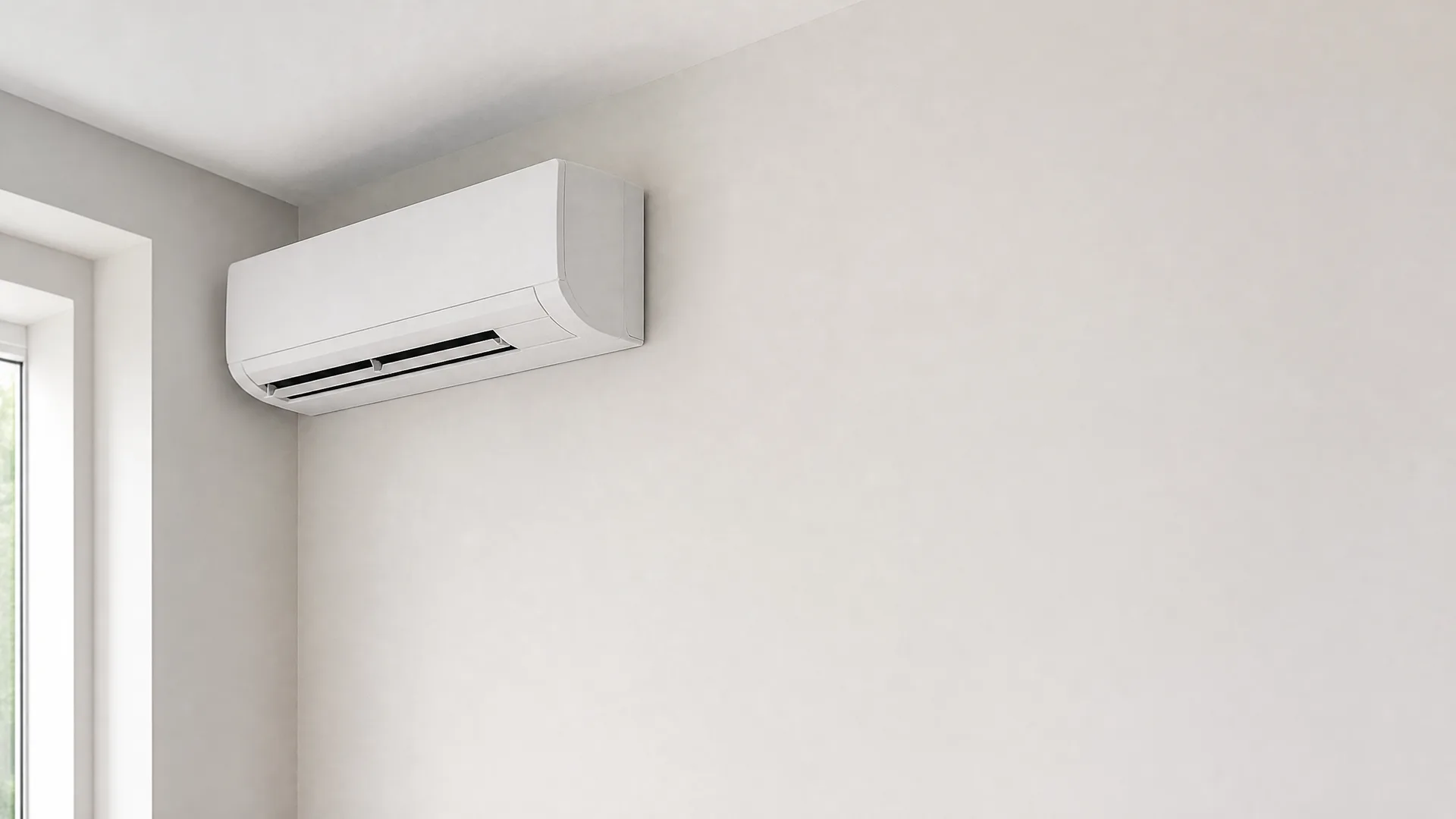
A white wall-mounted mini-split air conditioner installed high on a plain light-colored interior wall near a corner, with a window frame at the left edge.

What happens below freezing

A mini split pulls heat out of outside air, and the colder that air gets, the less heat there is to pull. Most units keep working down into the teens, but their output drops off as the mercury falls. The outdoor coil also starts to frost over below freezing. The unit runs a defrost cycle to clear it, and during that cycle it stops heating the house for a few minutes.

A white wall-mounted mini-split air conditioner installed near the top of an interior corner wall, with large blank light-colored wall space to the left.

Why North Carolina rarely tests the limit

Winter nights in North Carolina dip below freezing but don't stay there long, and most of the state doesn't see the single-digit cold that pushes a mini split past what it can deliver. The mountains get colder and hold it longer than the Piedmont or the coast. A properly sized unit, installed for the coldest nights your part of the state actually sees, should keep heating through the winters here without falling back on backup heat.

Power costs 14.00 cents per kilowatt-hour statewide

At 14 cents a kilowatt-hour, running strip heat or a space heater to back up your mini split on the coldest mornings adds up fast. A mini split sized and installed right for your home keeps that backup use rare instead of routine.

EIA-861 2025 statewide residential average

A mini split sized right

A mini split matched to your home's heat loss keeps pulling its weight even on a hard freeze. It still loses some output as the temperature drops, but a properly sized unit was chosen with those cold mornings in mind, not just the mild ones. The room stays close to the setpoint, the unit cycles the way it should, and you rarely need to reach for a space heater or flip on backup heat. This is what a correct install looks like from the start, and it's the difference between a system that struggles every winter and one that just runs.


A mini split sized wrong

An undersized or poorly placed mini split feels fine most of the year, then falls behind the first time a cold snap settles over North Carolina. It runs constantly and still can't close the gap between the air coming out and the temperature you set. You end up supplementing with a space heater or your home's electric backup, and the power bill shows it. The unit isn't broken. It was never matched to what the house needed on the coldest mornings, and no amount of running longer fixes that.

A woman with shoulder-length brown hair wearing a beige knit cardigan sits in a gray upholstered armchair near a window, looking off to the side with a slight smile, with bookshelves blurred in the background.
A woman with her hair in a bun holds a sleeping young child against her chest, both wrapped in a textured beige knit blanket on a sofa in a dimly lit room with a lamp, framed picture, and bookshelf behind them.

The right pro for this job

One installer gets your project, so there's no bidding war over it.

No charge to send it. You decide if you hire them.

A mismatched mini split shows its limits early. If it was sized for the square footage alone and not for how much heat this house loses on a cold night, it can fall behind well before the temperature gets dangerously low.

A mini split installed after a real look at your home's heat loss, your ductwork or lack of it, and how cold it actually gets where you live, keeps performing when it matters. That kind of install takes someone who works on this equipment all year and knows where these systems usually fall short.

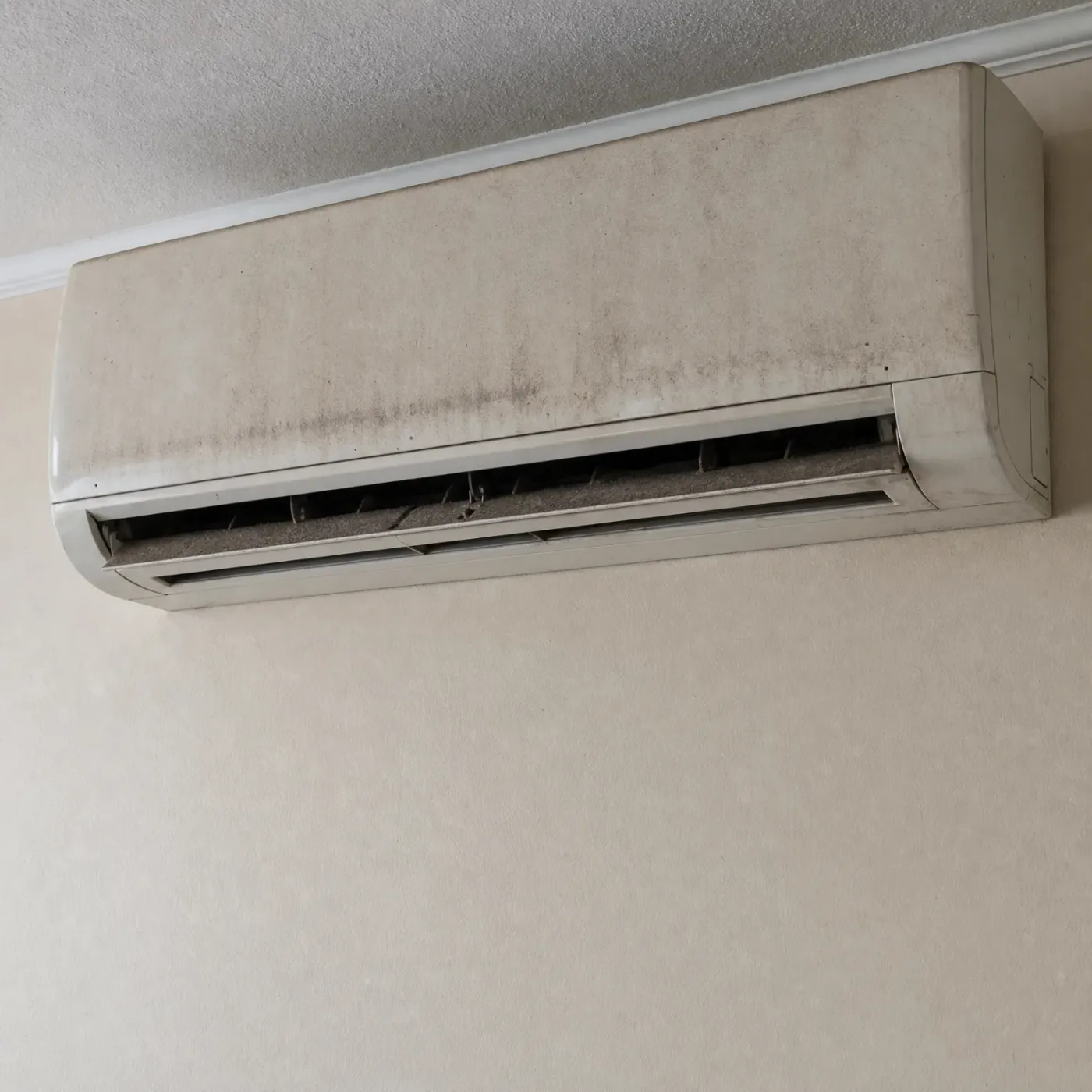
A dusty, stained wall-mounted mini-split air conditioner indoor unit near the ceiling on a plain beige wall, with visible lint buildup at its intake grille.
Before you get your mini split installation
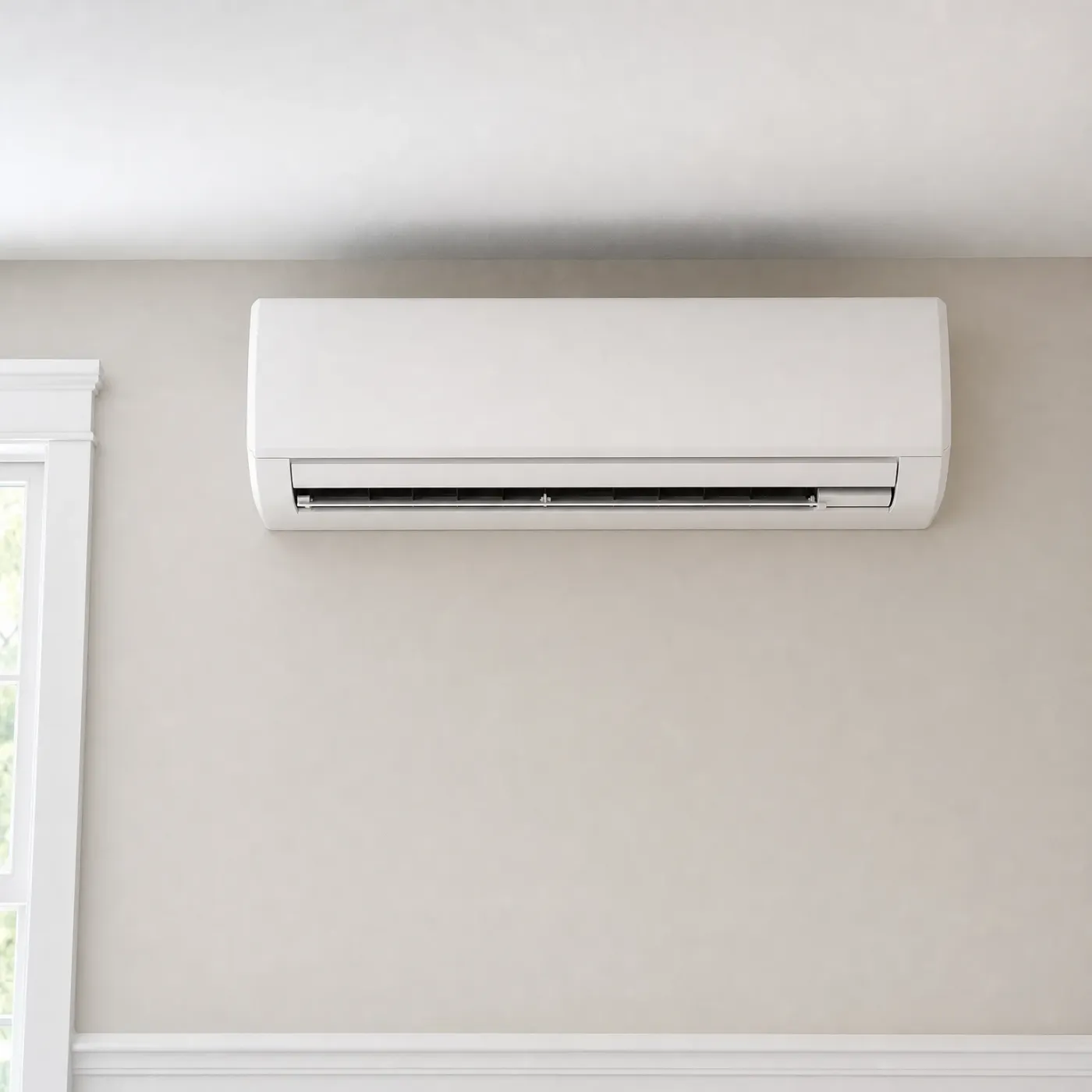
A white wall-mounted mini-split air conditioner installed high on a beige interior wall near the ceiling, with a white-framed window at the left edge.
After you get your mini split installation
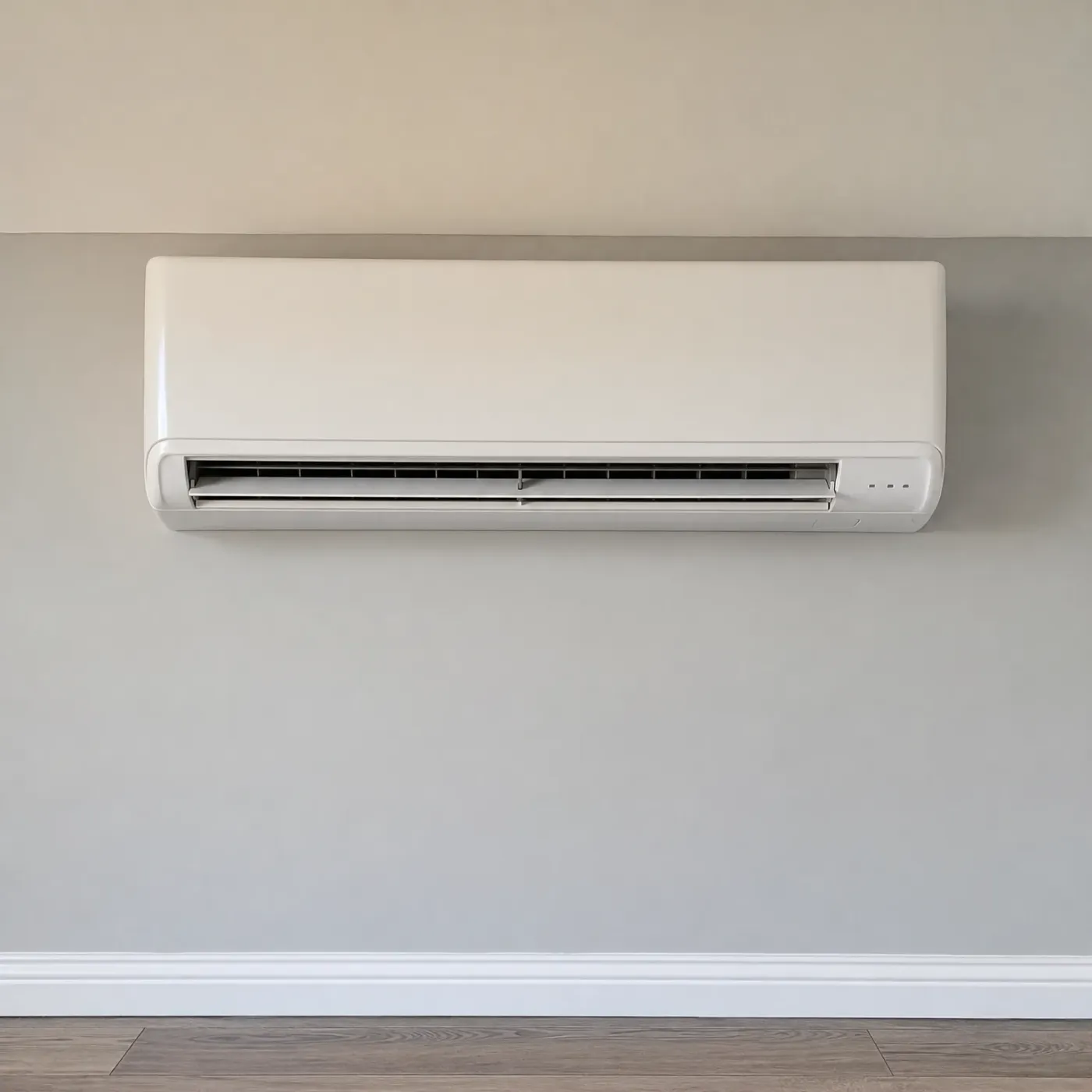
A white wall-mounted mini-split air conditioner indoor unit on a light gray wall above a white baseboard and wood-look floor.

Running clean

This is a mini split doing its job. Air moves out steady across the vane, the panel reads normal, and the unit holds the room at the temperature you set, cold snap or not.

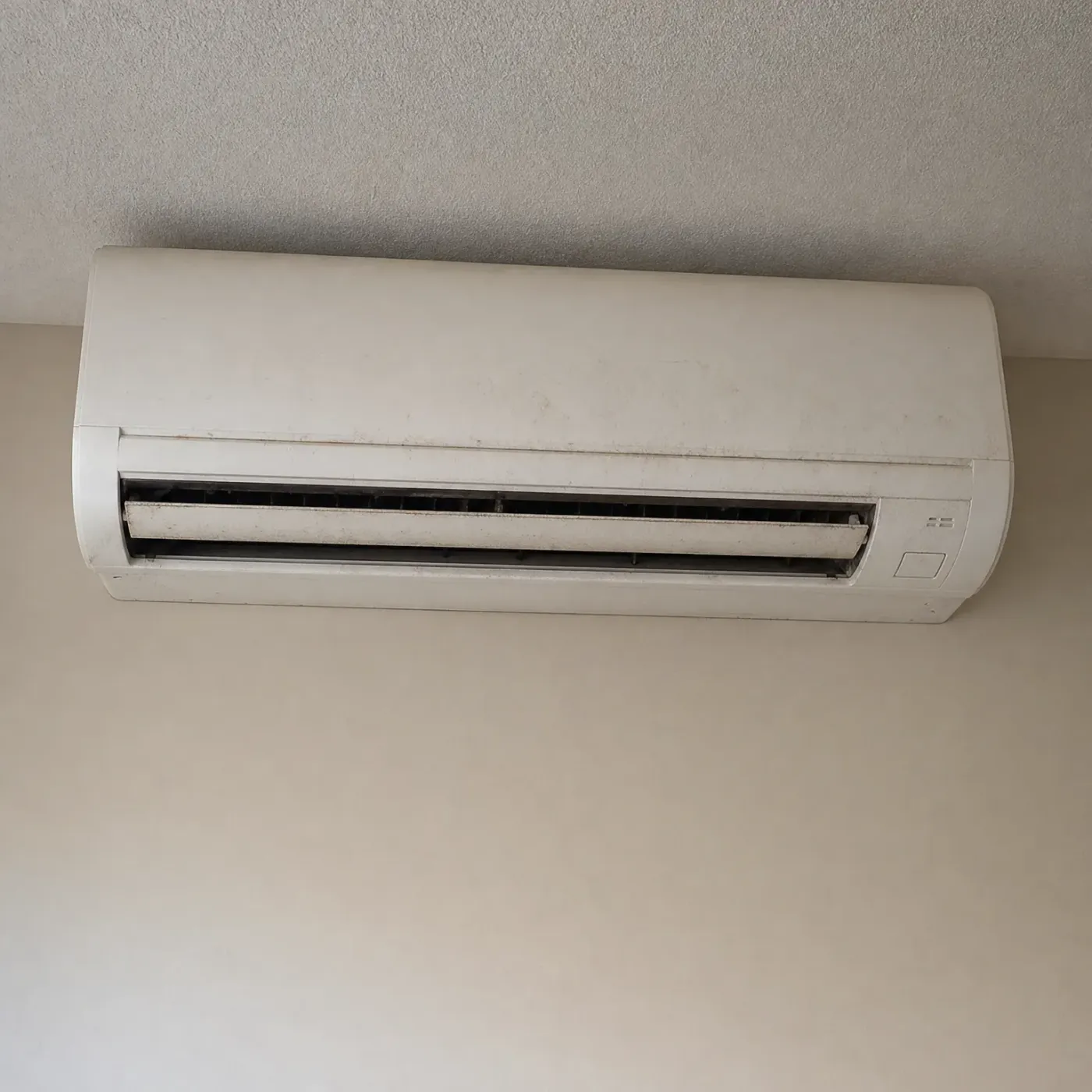
A white wall-mounted mini-split air conditioner indoor unit installed near a textured ceiling on a plain beige wall, with visible dust and discoloration on its casing and vent.

Falling behind

Dust has built up across the housing and the vane sits only half open. A unit in this shape pulls less air through the coil, and on a cold morning that's output it can't spare.

A woman in a cream sweater and jeans stands in the open doorway of a white stucco house, holding the dark door, while a man in a dark quilted jacket seen from behind walks toward the entry past potted plants.

The cold isn't the problem. The sizing is.

A mini split sized and installed right for your home will carry you through a North Carolina winter without much drama. It loses some output on the coldest mornings, every unit does, but it keeps up. The ones that struggle were usually undersized from the start, or put in without anyone working out how much heat your house actually loses on a hard freeze.

That's a judgment call, and it's one a local installer who works on these systems all winter makes correctly more often than someone just passing through. If you want a second opinion on whether yours is sized and installed the way your home needs, you can get matched with a licensed contractor near you. One contractor, local to you, who'll reach out and look at your actual situation instead of guessing at it over the phone.

Interior corner with a beige sofa holding a dark green and a light cushion and a textured throw, a potted small-leaved tree beside a white-framed window, and a dark shallow bowl on a wooden coffee table in the foreground.
A single-story stucco house at dusk with a lit paver walkway lined by low path lights, desert plants and boulders in front, and distant mountains under an orange and blue sky.

Mini Split Installation

Matched to your mini split job

Step 1 of 3: Equipment
  • A beige upholstered armchair with an olive cushion sits in a sunlit corner beside a wooden side table holding a ceramic vase with leafy branches, under a framed abstract artwork, on a woven rug over a wood floor.
    • A local pro who knows mini splits gets your details and gets in touch.
    • Get in touch with a local installer about a new mini split.
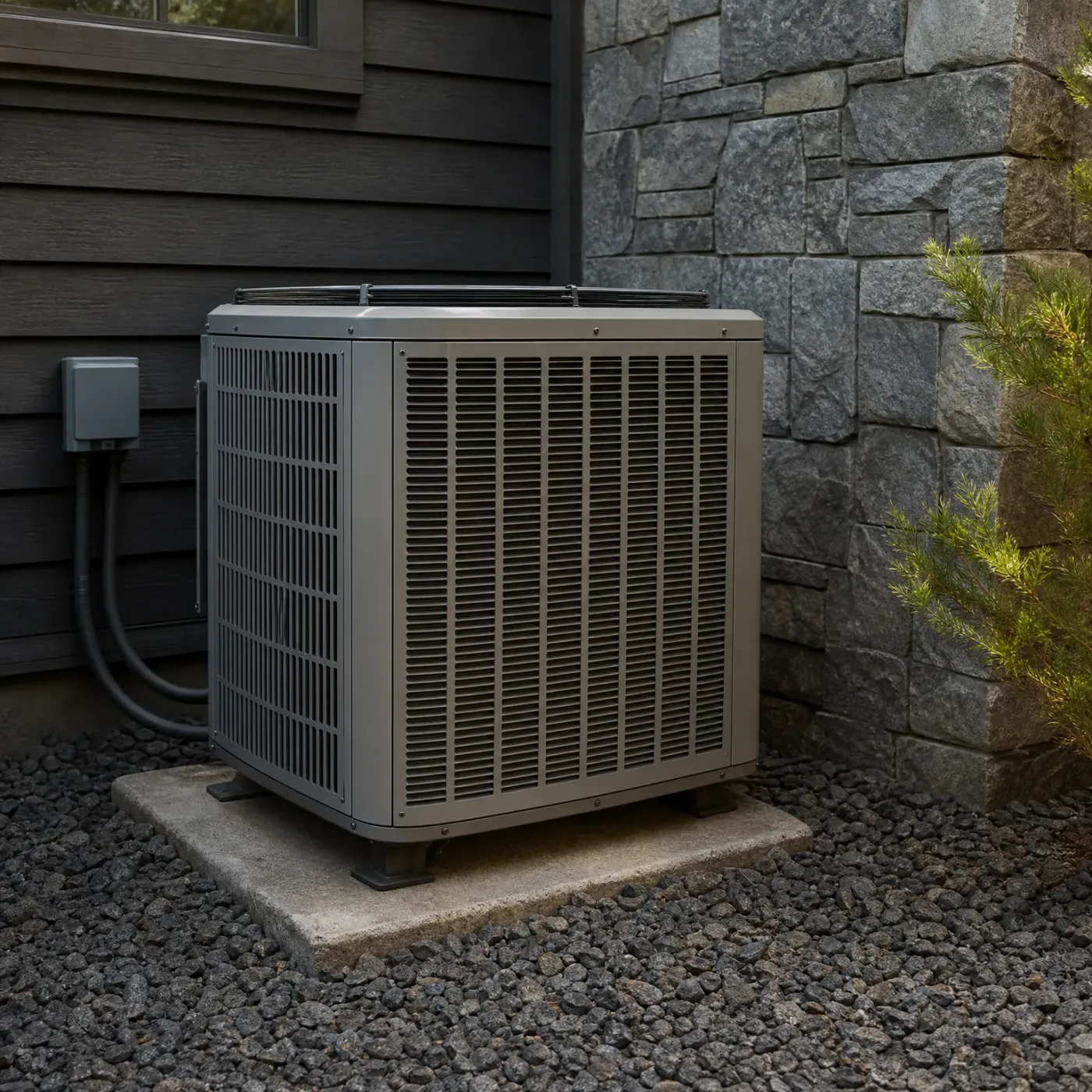
  • A gray outdoor condenser unit on a concrete pad surrounded by dark gravel, beside a dark wood-sided wall with an electrical disconnect box and a stone veneer wall with a small evergreen shrub.
    • After this form, you can stop searching for a mini split pro.
    • One request and the search for a pro is handled.
  • A beige upholstered oversized armchair with a matching cushion and a knit throw draped over one arm, beside a round wooden side table holding a vase of greenery near a curtained window, with a framed landscape print on the wall and a woven rug on a wood floor.
    • Skip collecting and comparing quotes for the new mini split.
    • Fill out one short form instead of calling around.
  • Sunlit living room corner with a beige upholstered sofa, cushion and knitted throw, a round wooden side table holding a white ceramic vase of leafy branches and a small wooden bowl, a framed landscape painting on the wall, and a window at right.
    • Your request goes to one pro, not a list of companies.
    • The pro who reaches out is licensed in North Carolina.