






Can a mini split heat a basement in a North Carolina winter

Send it once and finding someone is no longer on you.

Let a pro reach out

Yes, a mini split can heat a basement through a North Carolina winter, as long as it's sized for the space and the basement doesn't go much colder than the rest of the house. Most mini splits are heat pumps, and heat pumps pull warmth from outside air even when that air is cold. North Carolina winters rarely push temperatures low enough to stop the unit from working, though it will run harder and the output will drop some on the coldest nights. A basement adds its own wrinkle: below-grade walls and a lack of direct sun mean the space often starts colder and holds less heat than the floors above it, so a unit sized for a similar room upstairs can come up short in a basement. Getting the size and placement right matters more here than almost anywhere else in the house.

A man in a blue sweatshirt reclines with closed eyes in a brown leather armchair in a living room with a bookshelf, houseplant, sofa, window, and a side table holding newspapers and a dark mug.
A bearded man in a gray pullover reclines with closed eyes on a brown leather sofa in a sunlit room with a window, framed picture, potted plant, and a wooden cabinet holding papers and a dark mug.
A man in a gray sweater leans back with closed eyes in a brown leather armchair beside a wooden side table holding a dark mug and a folded newspaper, with bookshelves and a window seat behind him.
A man in a green sweater reclines in an armchair with his eyes closed and a slight smile, beside a window with plants, a small table holding a mug and folded newspaper, and bookshelves behind him.
A closed silver laptop and a ceramic mug of dark coffee sit on a wooden table in front of two chair backs, with a kitchen counter, tiled backsplash, wooden cutting boards, a vase of greenery and a potted plant by a window behind.

A cold basement runs up your bill faster than a cold bedroom

A basement loses heat into the ground and through the slab, and if yours isn't finished or sealed well, the mini split down there will run longer to hold its temperature than the one upstairs. On an electric rate, that shows up on the bill every month from December through February. If the basement is where you've put a freezer, a workshop, or a spare bedroom someone sleeps in, that's worth knowing before the cold sets in, not after.

Finding someone who installs mini splits and knows how to size one for a basement, not just a living room, usually means calling around, explaining the space twice or three times, and sorting through quotes that size the unit differently. Send this one form and that part is done. You won't be the one tracking down a contractor in the middle of a cold snap.

Interior corner of a room with a window and sheer curtain at left, a gray upholstered sofa with a cushion at right, and a round wooden table holding stacked books and a round vase with an olive branch.
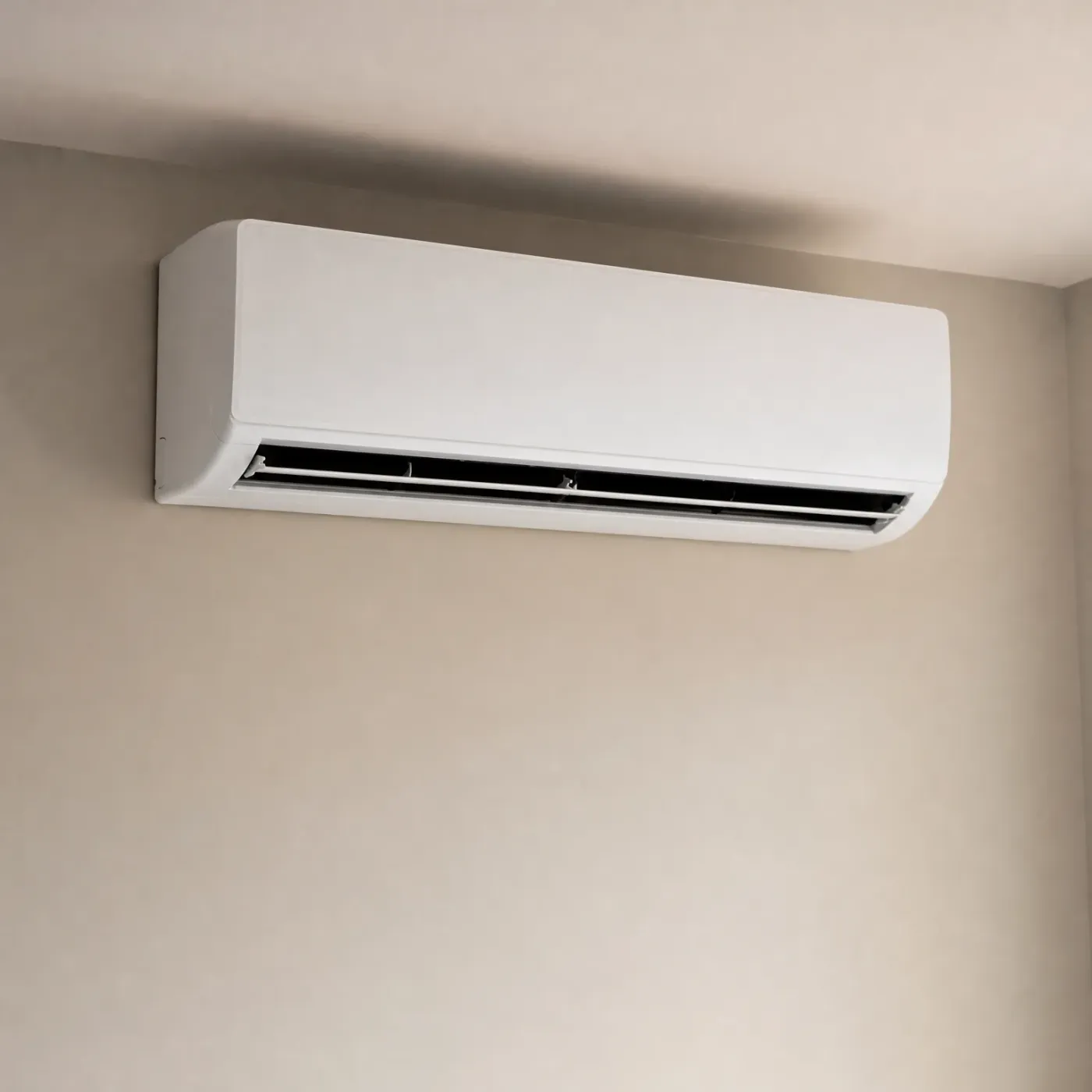
A white wall-mounted mini-split air conditioner installed near the ceiling on a plain beige interior wall.

Properly sized for the basement

A mini split matched to your basement's square footage keeps up on the coldest nights without strain. It cycles on, brings the room up to temperature, and shuts off. The unit stays clean, the grille stays clear, and it holds steady whether the basement is finished living space or just a room you use in winter.
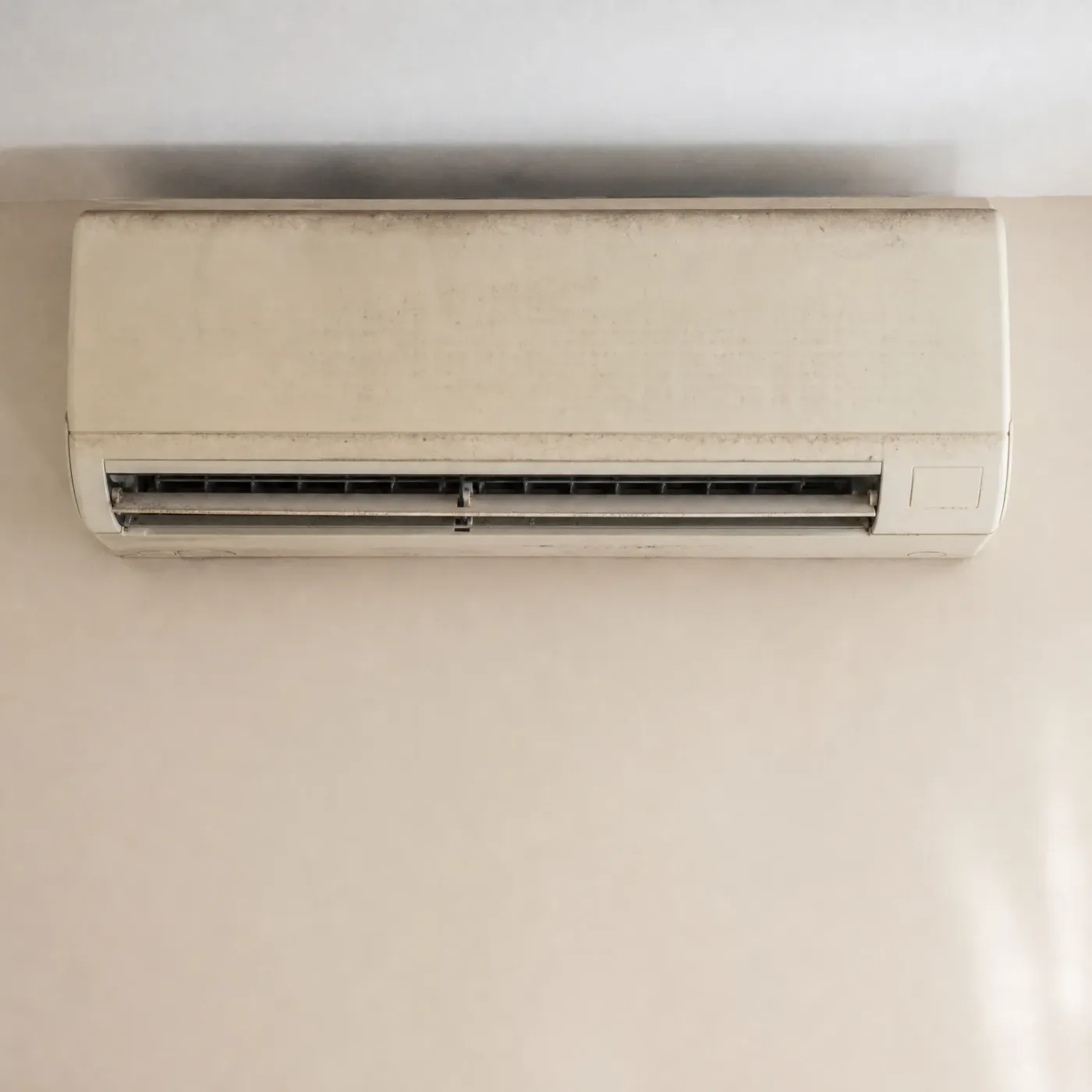

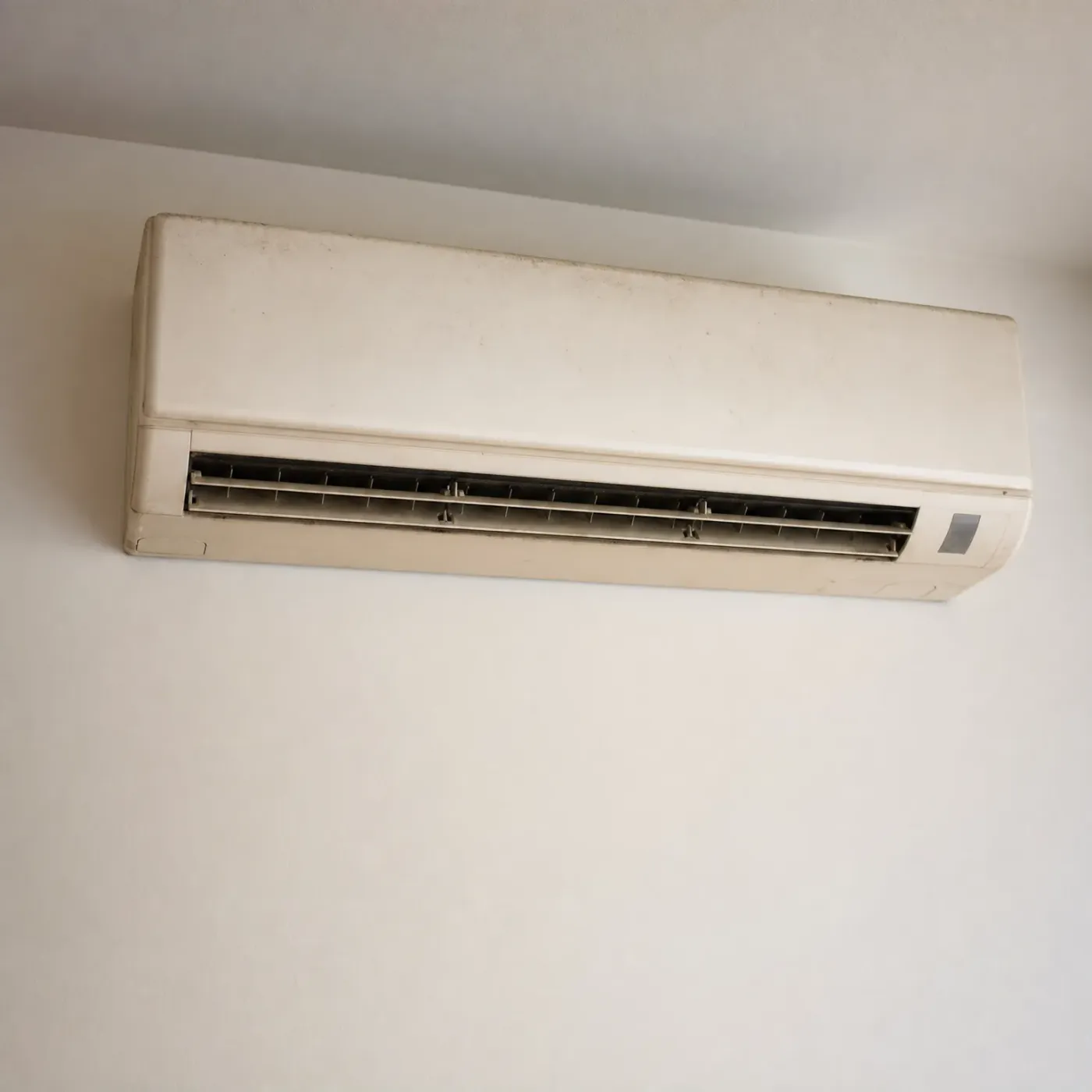
A dusty, discolored wall-mounted mini-split air conditioner unit near the ceiling of a plain beige interior wall.

Undersized or aging in place

A unit too small for the basement runs almost constantly trying to close the gap, and the casing shows it. Dust builds up faster on a unit that never rests, and the discoloring you see is years of that strain. It still heats the room, but it works harder than it should to do it.

A gray-haired man with a beard in a blue button-placket shirt reclines on a couch with his eyes closed, beside a sunlit window with a green plant.
A woman in a cream knit sweater sits in an armchair with her eyes closed near a window showing yellow autumn foliage, with a mug on a round wooden side table beside her.
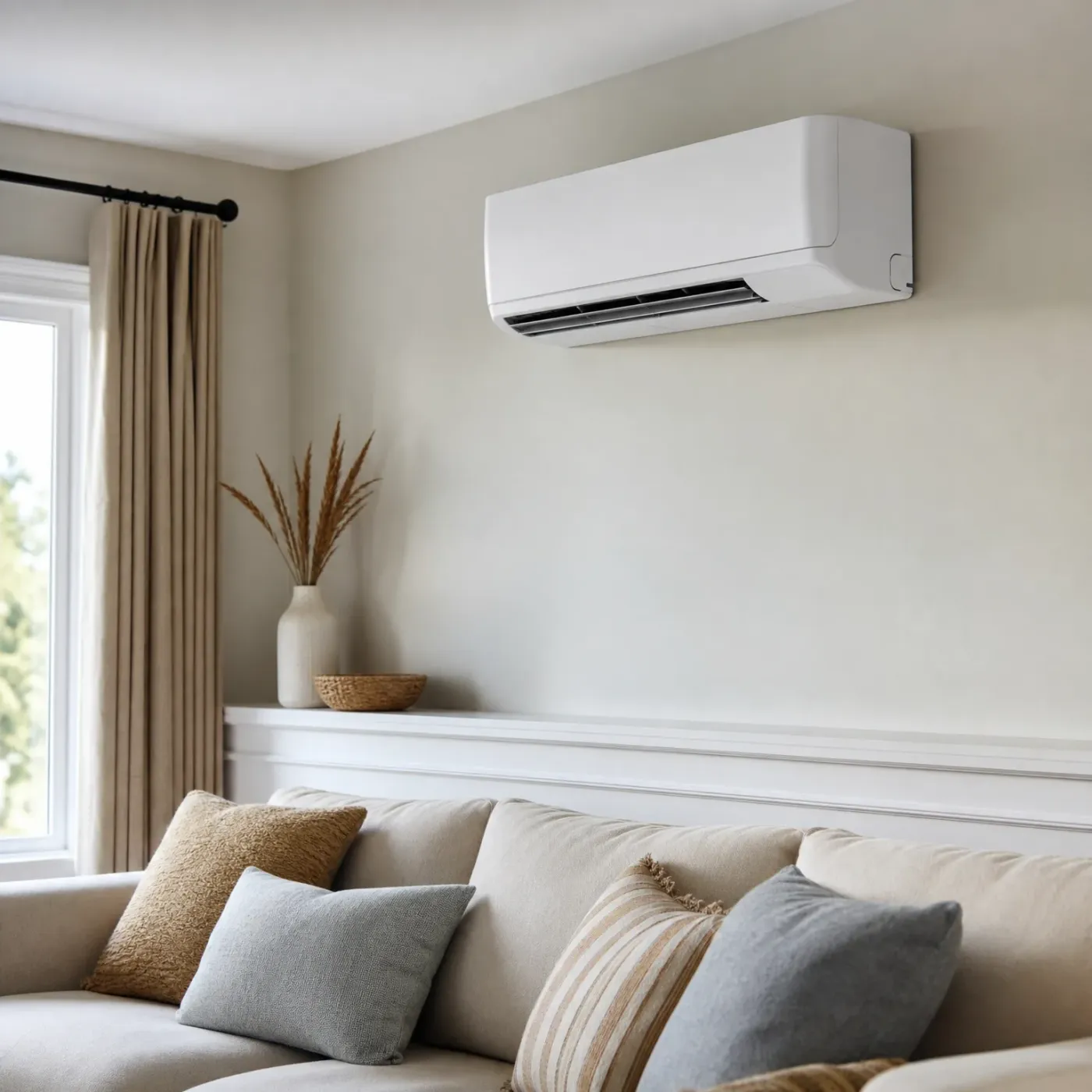
A white wall-mounted mini-split air conditioner on a pale wall above a beige sofa with assorted cushions, beside a window with long curtains and a shelf holding a vase of dried grasses and a woven bowl.

Let someone else find the pro

Skip the round of in-home estimates for a new mini split.

Send the form and stop researching installers for the new mini split.

I'm done searching

No charge to send it. You decide if you hire them.

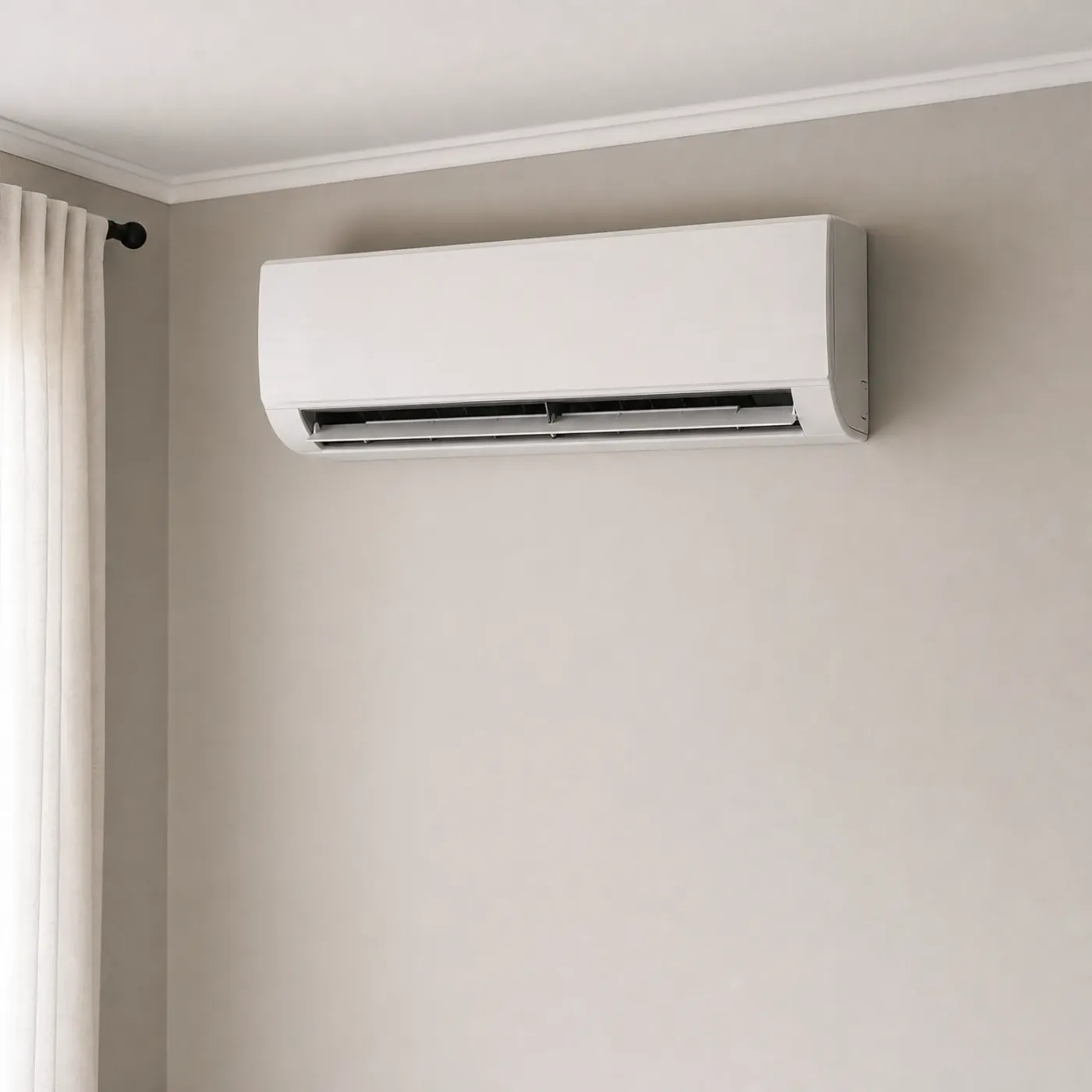
A white wall-mounted mini-split air conditioner installed high on a beige interior wall near the ceiling molding, with a light curtain and curtain rod at the left edge.
A mini split sized right for the basement runs steady through a cold snap and still looks new doing it.
A wall-mounted mini-split air conditioner indoor unit with a discolored cream plastic casing and dusty outlet vanes, installed high on a plain light-colored interior wall near the ceiling.
A mini split too small or too old for the job runs nonstop and shows it, yellowed casing and all, without keeping the basement warm.
  1. The outdoor unit pulls heat from the cold air even near freezing.

  2. Refrigerant carries that heat inside through the line set.

  3. The indoor head in the basement releases the heat into the room.

  4. A thermostat or sensor cycles the unit off once the basement hits temperature.

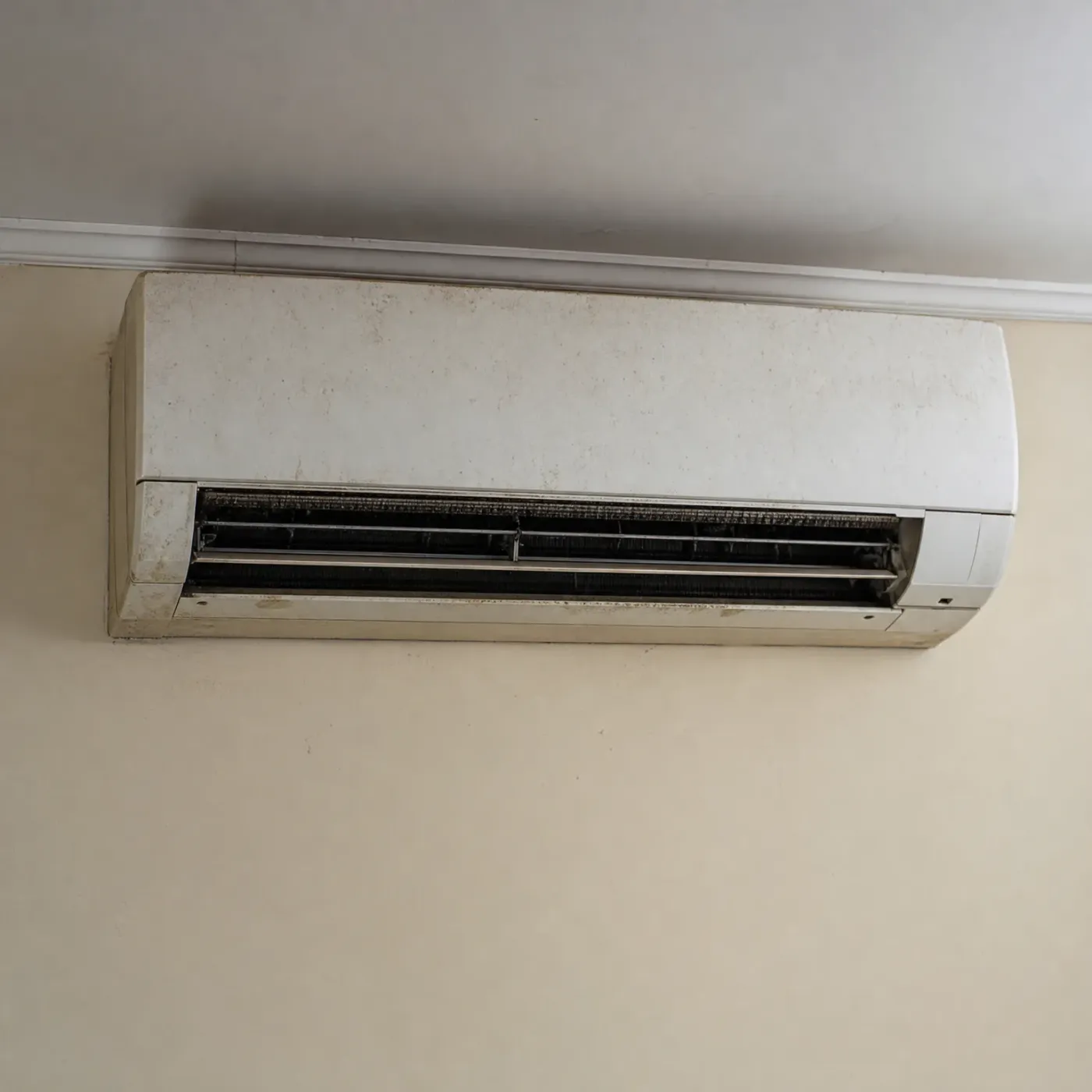
A dusty white wall-mounted mini-split air conditioner installed high on a beige interior wall below a molded ceiling trim.
Before you get your mini split installation
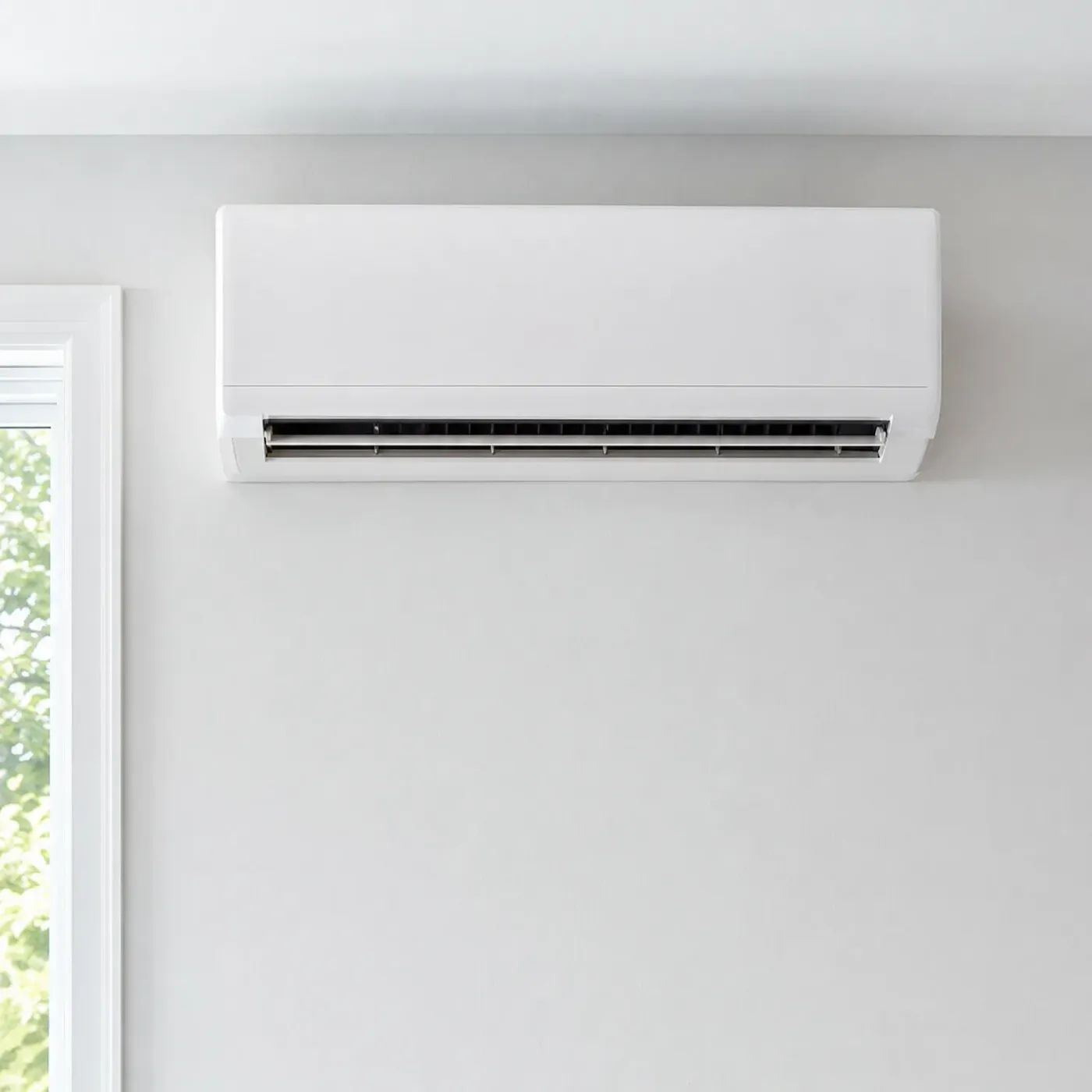
A white wall-mounted mini-split air conditioner unit installed high on a light gray interior wall near the ceiling, with a white-framed window and green foliage visible at the left edge.
After you get your mini split installation

Most cold-climate mini splits still pull heat from outdoor air down to around 5 degrees Fahrenheit, which covers nearly every night North Carolina sees.

That's why a correctly sized unit keeps a basement warm through January without backup heat, as long as the room itself isn't losing heat faster than the unit can replace it.

Power costs 14.00 cents per kilowatt-hour statewide

At 14 cents a kilowatt-hour, running a mini split in the basement all winter won't be the thing that spikes your bill. A unit sized right for the space heats it efficiently at that rate, since heat pumps move heat rather than generate it. An oversized or struggling unit is what costs you, running longer than it should to keep up.

EIA-861 2025 statewide residential average

Will It Hold Through Winter

  • A mini split sized for your basement's square footage will hold its temperature through a North Carolina winter without backup heat.
  • Most cold-climate mini splits keep pulling heat from outside air down to around 5 degrees, which covers nearly every night here.
  • A basement that stays colder than the rest of the house usually points to heat loss through the slab or walls, not the mini split.
  • An undersized or older unit will run constantly and still lose ground on the coldest nights, driving up the bill without holding the room.
  • Getting the sizing and installation right the first time is what decides whether this works, more than any single feature of the unit.

A mini split can heat a North Carolina basement all winter if it's sized for that space and installed the way that space needs. That's the answer. The rest is detail that either confirms it or flags a problem worth fixing first.

The unit itself isn't the limiting factor. Cold-climate mini splits keep drawing heat from outside air down to around 5 degrees, and nights that cold are rare here. If your basement runs colder than the rooms above it, that's usually the slab or the walls losing heat, not the equipment failing to produce it. Worth checking before you assume the unit's at fault.

Where it goes wrong is sizing and installation. A unit too small for the square footage, or one that's older and losing capacity, runs nonstop and still falls behind on the coldest nights. That shows up on the power bill before it shows up as a cold room. A unit matched to the space does the opposite: it cycles, keeps up, and stays efficient doing it.

So the basement question isn't really about whether a mini split can do the job. It can. It's about whether the one going into your basement is sized and installed right from the start. That's the part worth getting settled before winter, not during it, and it's the part that decides everything else about how this winter goes.

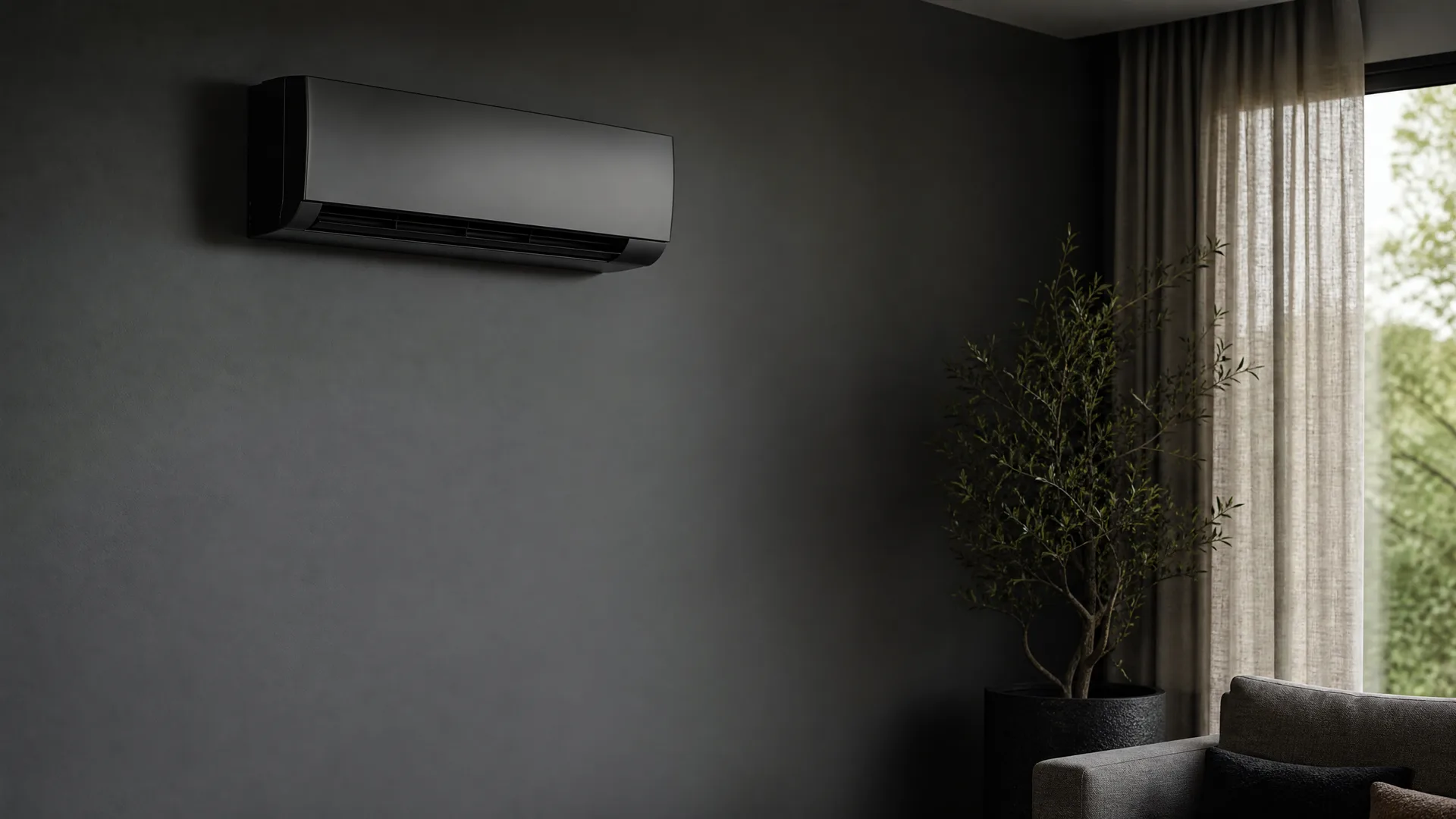
A dark wall-mounted mini-split air conditioner on a gray interior wall, with a potted olive-like tree, sheer curtains over a window showing green foliage, and a gray sofa in the lower right corner.

One request and it's handed off

Describe the project once instead of to every installer.

Step 1 of 3: Equipment