






Profile view of a bearded man wearing a dark green baseball cap and a dark gray T-shirt against a plain light background.

Best mini split setting for a North Carolina winter

Step 1 of 3: Equipment

What temperature should I set my mini split to in winter?

Winter in North Carolina still means some genuinely cold nights, and most homes here are running electric heat, so you want the thermostat set somewhere that keeps the house warm without the unit working harder than it has to. It's easy to guess too high and not notice until the bill comes.

Set it between 68 and 70 degrees

That range keeps a North Carolina home comfortable through the coldest stretches of winter without asking the compressor to run constantly. A mini split heats most efficiently when it isn't fighting a big gap between the set temperature and the air coming in, so every degree above 70 makes it work noticeably harder. If your place has rooms that run cooler, like a sunroom or a bonus room over the garage, a second unit or zone set a degree or two lower can even things out instead of pushing the whole system up. Drop it a few degrees overnight if the house holds heat well, but avoid swinging it more than that, since the unit has to work harder to recover the lost ground each morning.

  1. Set one steady temperature instead of bumping it up and down.

  2. The outdoor unit pulls heat from the cold air outside.

  3. Refrigerant carries that heat inside to the indoor coil.

  4. The indoor fan pushes warm air into the room.

Steady Setting vs. Setback Schedule

Steady Setting

  • The compressor holds a steady output once the room reaches the set temperature, instead of shutting off and restarting.
  • Restarting from cold draws more power than holding a small, steady load, so a fixed setting tends to cost less over a cold week.
  • The indoor coil and outdoor unit cycle through fewer defrost periods when they aren't working to recover from a big drop in temperature.
  • Rooms stay within a degree or two all day, so you aren't walking into a cold room in the morning or a cold room after work.
  • Walls, furniture and floors hold heat at a steady temperature, so the unit isn't fighting stored cold every time it kicks back on.

Setback Schedule

  • Turning the temperature down overnight or while you're out can lower the total hours the compressor runs during the day.
  • The unit has to work harder to recover a room that's dropped several degrees, and on a cold night that recovery can take a while.
  • If the outdoor temperature is near freezing during recovery, the unit may also be running a defrost cycle at the same time, which slows it further.
  • A big setback means the indoor coil and fan run at a higher output for longer once you raise the temperature back up.
  • Homes with electric heat often see less benefit from setbacks than homes with gas, since there's no separate furnace to pick up the recovery load.
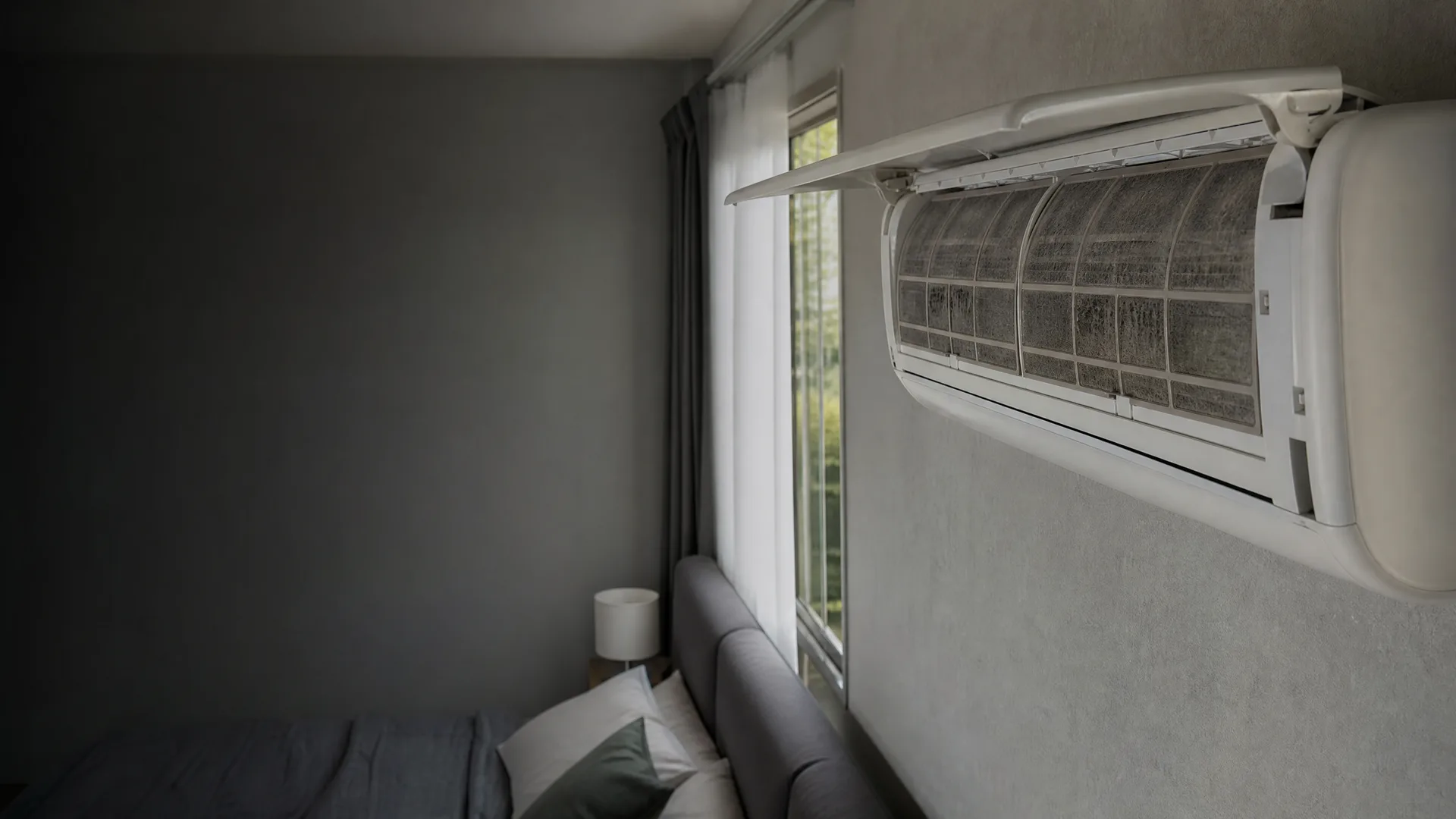
Interior room corner with a wall-mounted mini-split air conditioner, its front panel open to expose dusty coils, beside a curtained window and a gray sofa with pillows.

You pull the cover off the indoor unit on a warm afternoon, the kind that shows up in North Carolina before winter has really let go. Light comes in through the bedroom window and catches the filter screen, grey with a winter's worth of dust packed into the mesh. You hadn't planned on checking it today. You just noticed the air coming out felt thinner than it should, not as warm, even with the thermostat set where it always sits. Now you see why. The screen is clogged enough that you can barely see through it. You set it down on the sill and look at the coil behind it, wondering how long it's been since anyone looked back here.

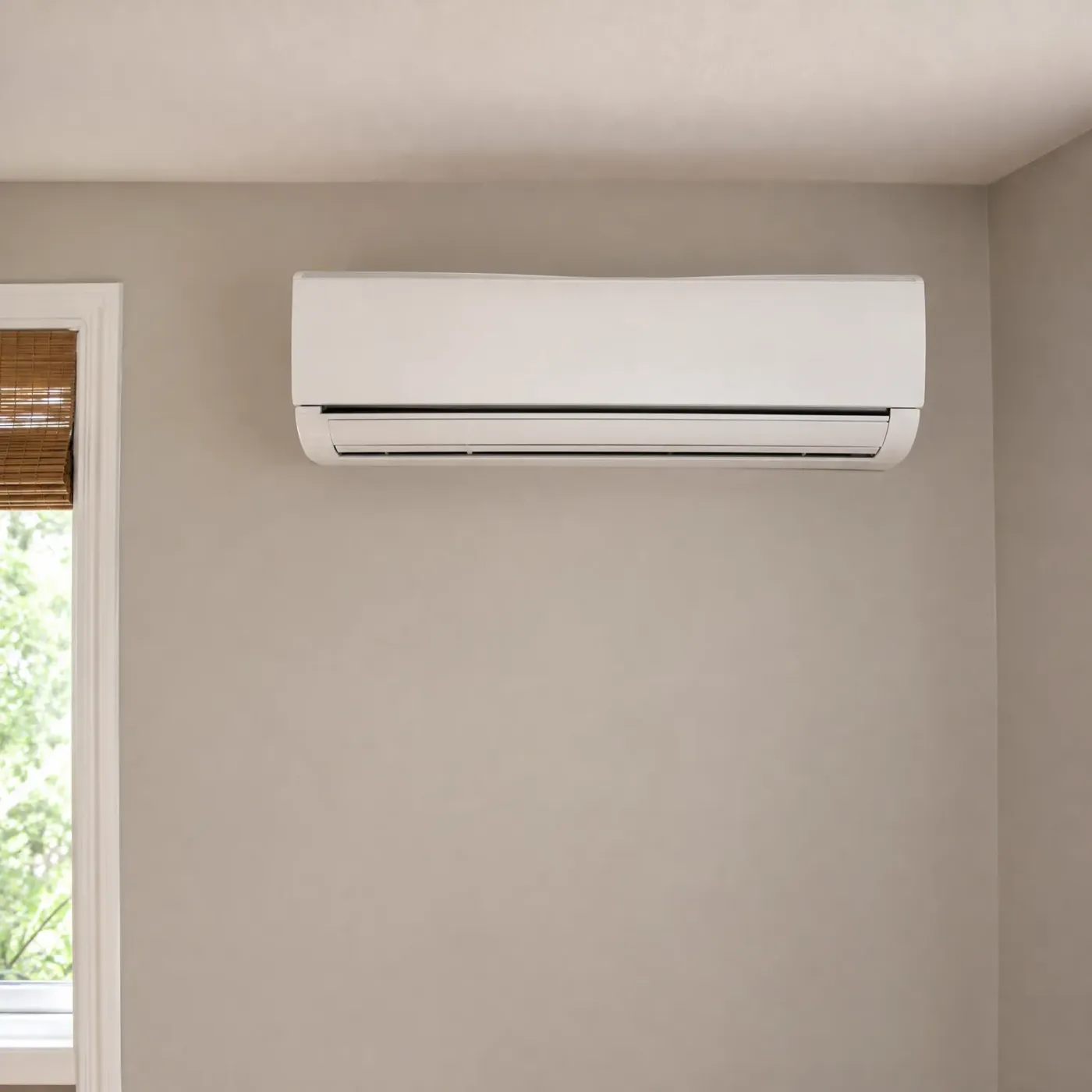
A white wall-mounted mini-split air conditioner installed near the ceiling on a beige interior wall, with a window and bamboo blind at the left edge showing green foliage outside.
Set at a steady temperature, the unit runs quiet and even, warming the room without strain on cold nights.
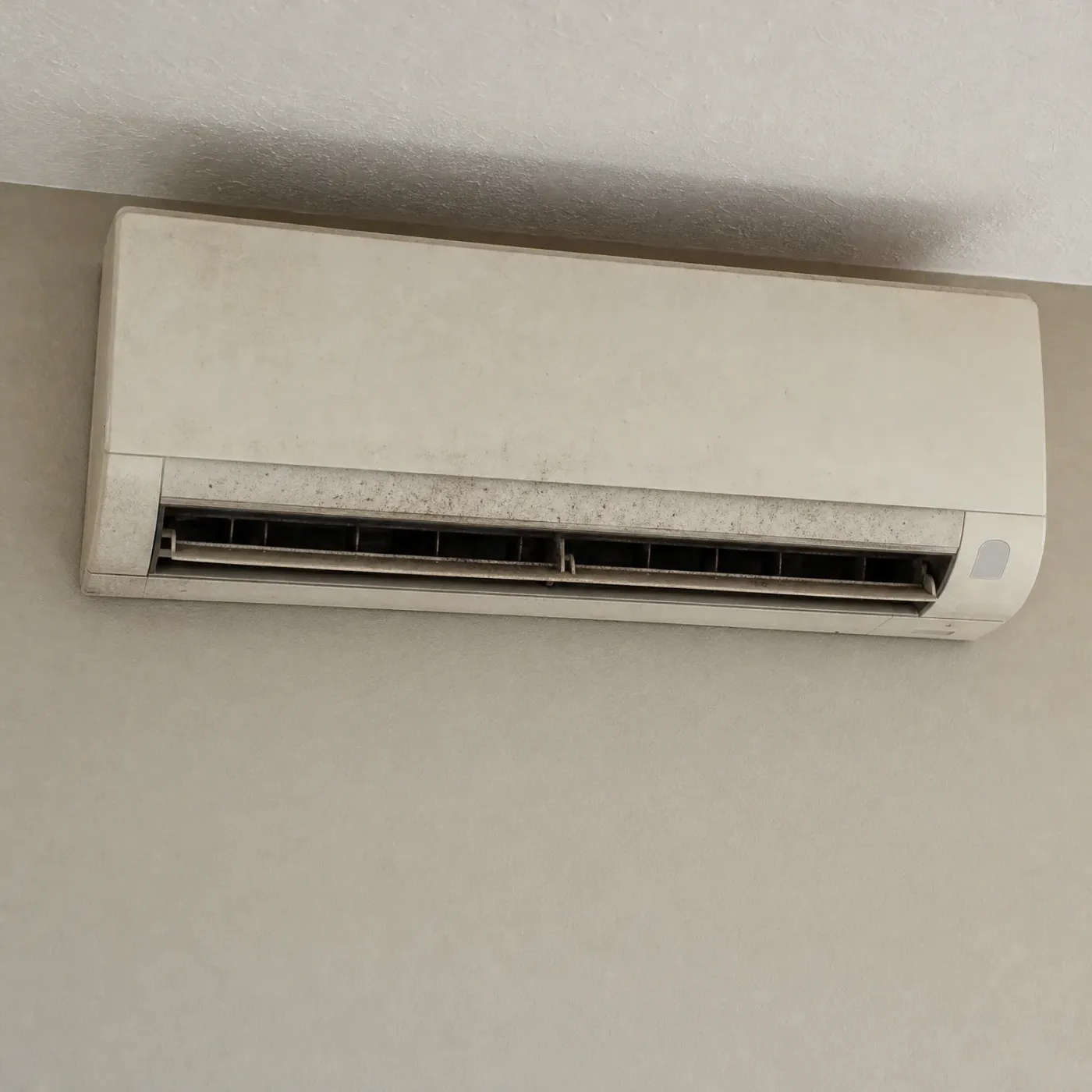
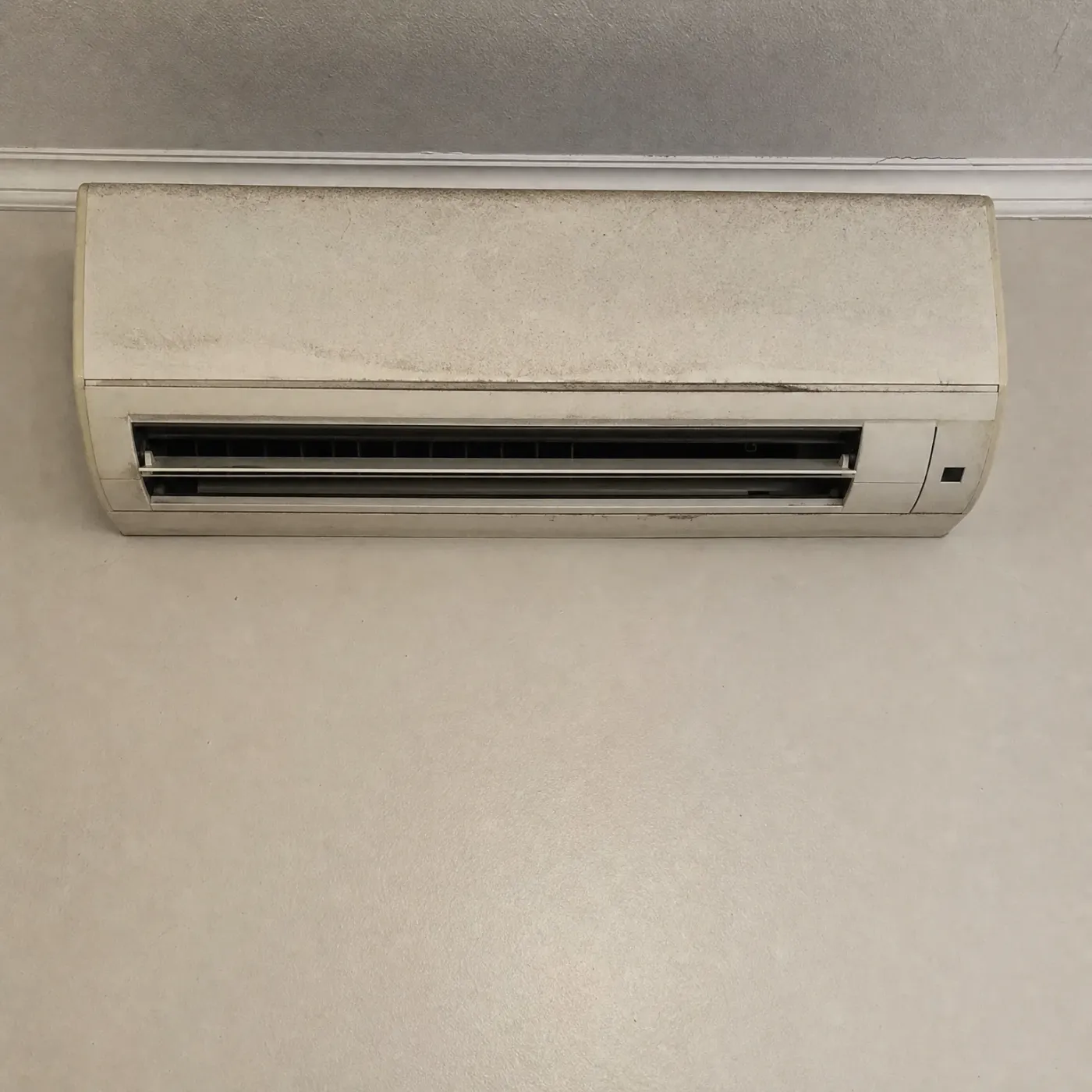
A wall-mounted mini-split air conditioner indoor unit with discolored casing and dusty vents, installed near the ceiling on a plain light-colored wall.
Dust packed into the front panel and louvers blocks airflow, so the unit works harder to put out the same heat.

On a cold night, the outdoor unit collects moisture out of the air along with heat, and that moisture turns to frost on the coil. Every so often the system reverses itself for a few minutes to melt that frost off before it goes back to heating. You might notice the outdoor fan stop, or steam coming off the cabinet. That's the ice leaving, not a problem. Inside, the fan usually slows down or pauses too, so the room doesn't get a blast of cold air while the system is mid-defrost. If those cycles start happening more often, or run longer than they used to, something's making the coil work harder than it should, often a buildup on the coil itself or refrigerant running low. Inside the house, the thermostat sensor is reading the air around the indoor unit, not the air coming out of the vent, so anything warm sitting near it, a lamp, a TV, can throw the reading off. And a filter packed with dust slows the fan down enough that the room takes longer to warm up, even with everything else running fine.

What Defrost Mode Is Doing

  • Defrost mode kicks in on its own when ice builds on the outdoor coil, reversing the cycle for a few minutes to melt it off.
  • During defrost, the outdoor fan stops and you may see steam rise off the unit, which is normal and not a fault.
  • The indoor fan usually slows or pauses during defrost so it doesn't blow cold air into the room.
  • A clogged outdoor coil or a low refrigerant charge makes defrost cycles run longer and more often than they should.
  • The thermostat sensor inside the indoor unit reads room air, not the temperature right at the vent, so sitting a lamp or TV near it can throw off the reading.
  • A dirty air filter forces the indoor fan to work harder to push the same amount of heat, which shows up as a slow room warm-up.
A woman in a cream sweater with her hair in a bun laughs while seated at a stone counter holding a glass of red wine, in a dimly lit interior with a sofa, houseplants and a large window at night.
A woman with long dark hair in a cream knit sweater laughs while looking off to the side, seated in front of a dimly lit kitchen with an island, stools, open shelving and a potted plant, with a glass of red wine in the foreground.
A smiling woman with long dark wavy hair in a light knit sweater sits at a marble counter with a glass of red wine, with a dimly lit living room and kitchen in the background.
A smiling woman with long wavy brown hair in a beige sweater sits at a white marble counter with a glass of red wine, with a living room, dining table and kitchen cabinets behind her.
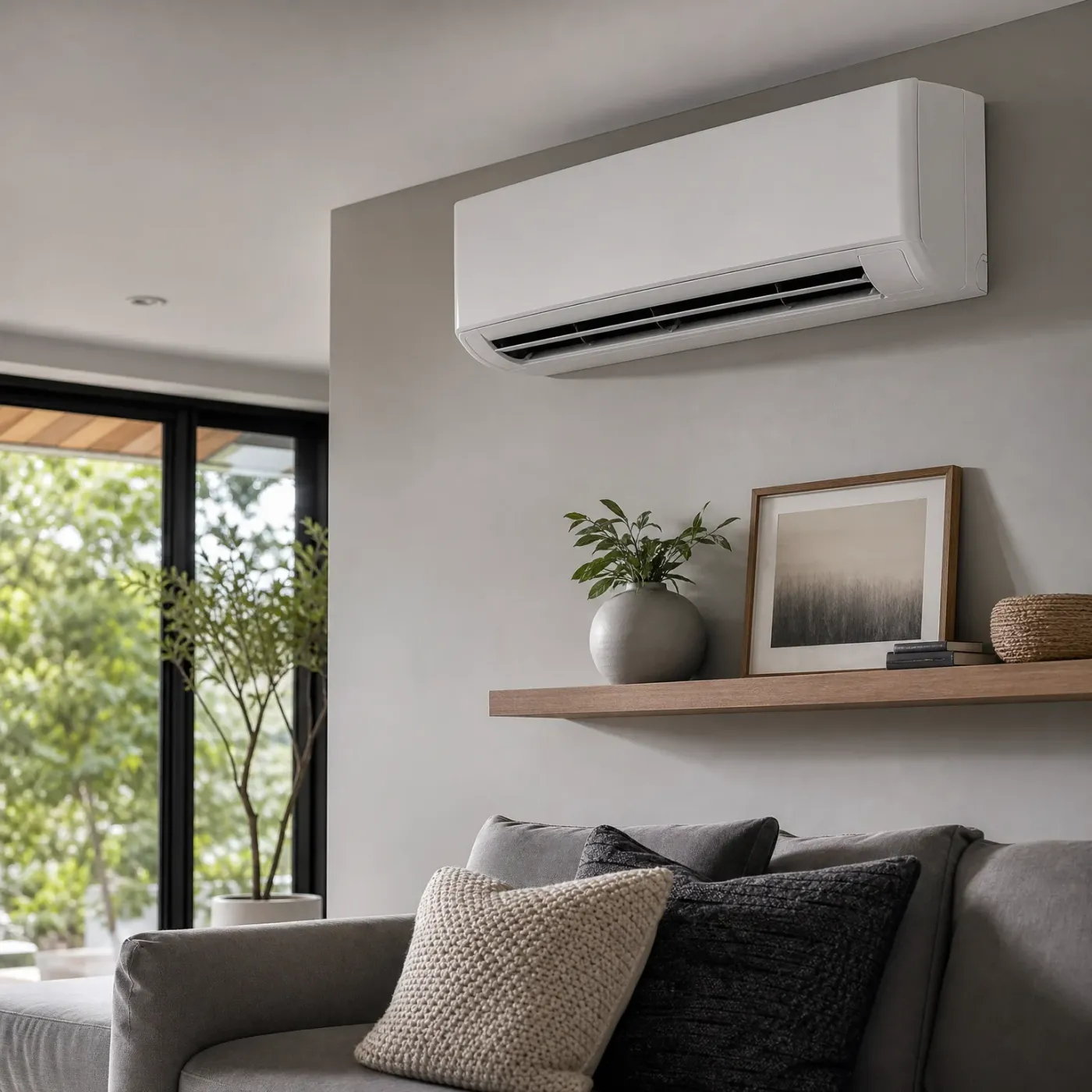
A white wall-mounted mini-split air conditioner near the ceiling of a living room with a gray sofa, knit cushions, a wooden floating shelf holding a plant in a round vase, a framed print and a woven basket, and a large window showing green trees.

No phone calls to make

A licensed local pro takes the request for your mini split tune-up.

Skip calling around to set up a mini split tune-up.

Get one local pro

You only hire the pro if you want to.

A smiling bearded man in a navy crewneck sweater sits at a dinner table with a glass of red wine, plates and glasses in the foreground, in a dimly lit room with a lamp and framed picture behind him.
A woman in a dark gray sweater reclines on a light sofa with eyes closed and a slight smile, under a textured gray blanket with an open book resting on her lap, with a lit table lamp and plant in the background.

Why the setting matters so much

A mini split loses efficiency fast once the gap between the set temperature and the outdoor air gets wide. On a cold night in the 20s, asking it to push the room up past 72 means the outdoor unit works closer to its limit for longer. Set it a few degrees lower and the compressor settles into a steady load instead of straining toward a target it has to fight for. That gap is where most of the extra draw on your bill comes from, not the difference between 68 and 70 on a mild evening.
What a clean unit does for you

A mini split that's had its filters and coils cleaned recently will hold whatever setting you choose with less effort. Airflow moves freely across the indoor coil, so the heat it produces actually reaches the room instead of getting trapped behind a dusty screen. A tech who services these year-round in North Carolina checks the outdoor coil too, since that's where the unit pulls heat from on cold nights, and a coil caked with debris makes every setting run harder than it needs to.

A dusty, discolored wall-mounted mini-split air conditioner indoor unit near the top of a plain light-colored interior wall below a white molding strip.
Before you get your mini split maintenance
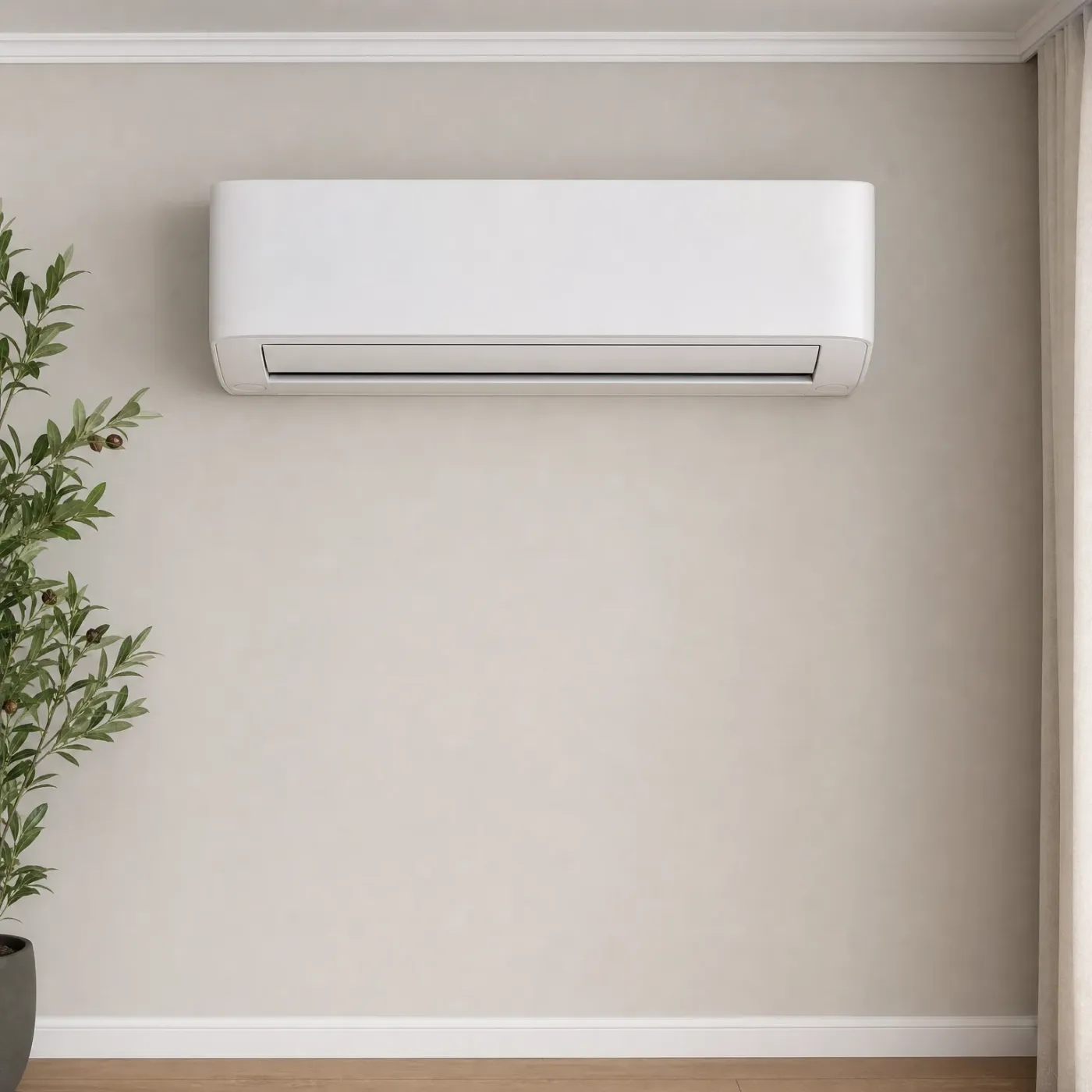
A white wall-mounted mini-split indoor unit on a beige interior wall, with a potted leafy plant at the left and a curtain edge at the right.
After you get your mini split maintenance
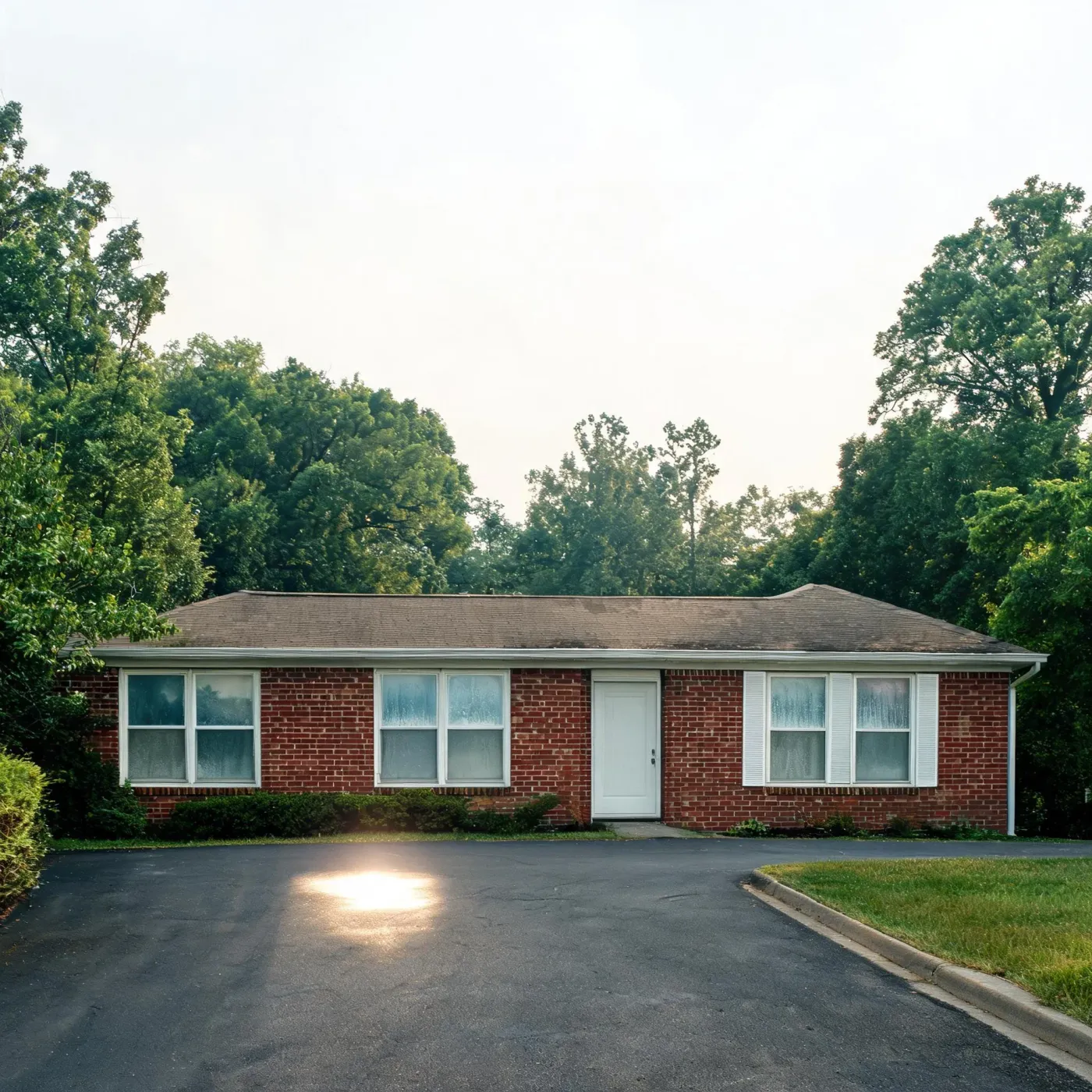
A single-story red brick ranch house with a white door, white-trimmed windows and a shingled hip roof, fronted by a wide asphalt driveway with sunlight glare, surrounded by green deciduous trees under a pale sky.

That same mini split switches jobs come summer. North Carolina air averages a dew point of 67°F across June, July and August, according to NOAA climate data, and above 65 the air starts feeling heavy on your skin even when the thermostat says the room is cool. Pulling that moisture out is harder work than dropping the temperature a few degrees. You'll notice it as a damp feel in the house, or the indoor coil running longer than you'd expect to get the room feeling dry. A coil that's clean and a system that's been checked over handles that load without straining to keep up.

NASA POWER T2MDEW county cells weighted by homes

Why does my mini split sound like it's working so hard tonight?

On the coldest nights you might notice the outdoor unit running longer and sounding louder than usual, or the air coming from the indoor unit feeling cooler than you'd expect even though the room is warming. Check the front panel and louvers. If dust has built up there, or the filter hasn't been pulled out and rinsed in a while, the unit has to work harder to move the same amount of heat into the room. Left alone through a full winter, that strain adds up on the electric bill and shortens how long the equipment lasts before something fails. A room that takes longer to warm than it used to, or a thermostat setting that no longer feels like enough, is usually the first sign something needs a look.

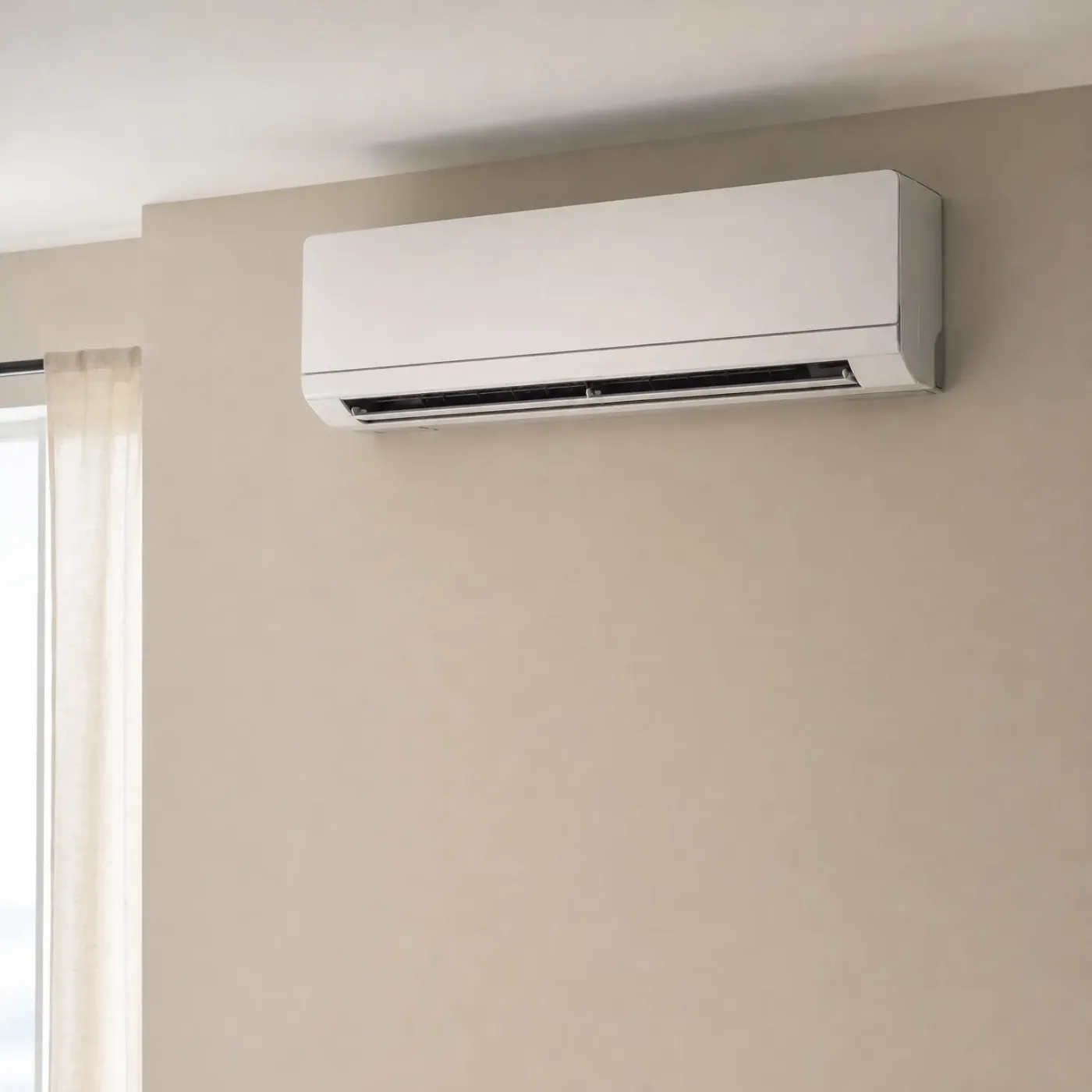
A white wall-mounted mini-split air conditioner installed high on a beige interior wall near the ceiling, with a sheer curtain and window at the left edge.

Clean and clear

The vents sit open and the panel is free of dust, so air moves through without resistance. The unit reaches your set temperature and holds it there, running quiet on a cold night instead of straining to keep up.

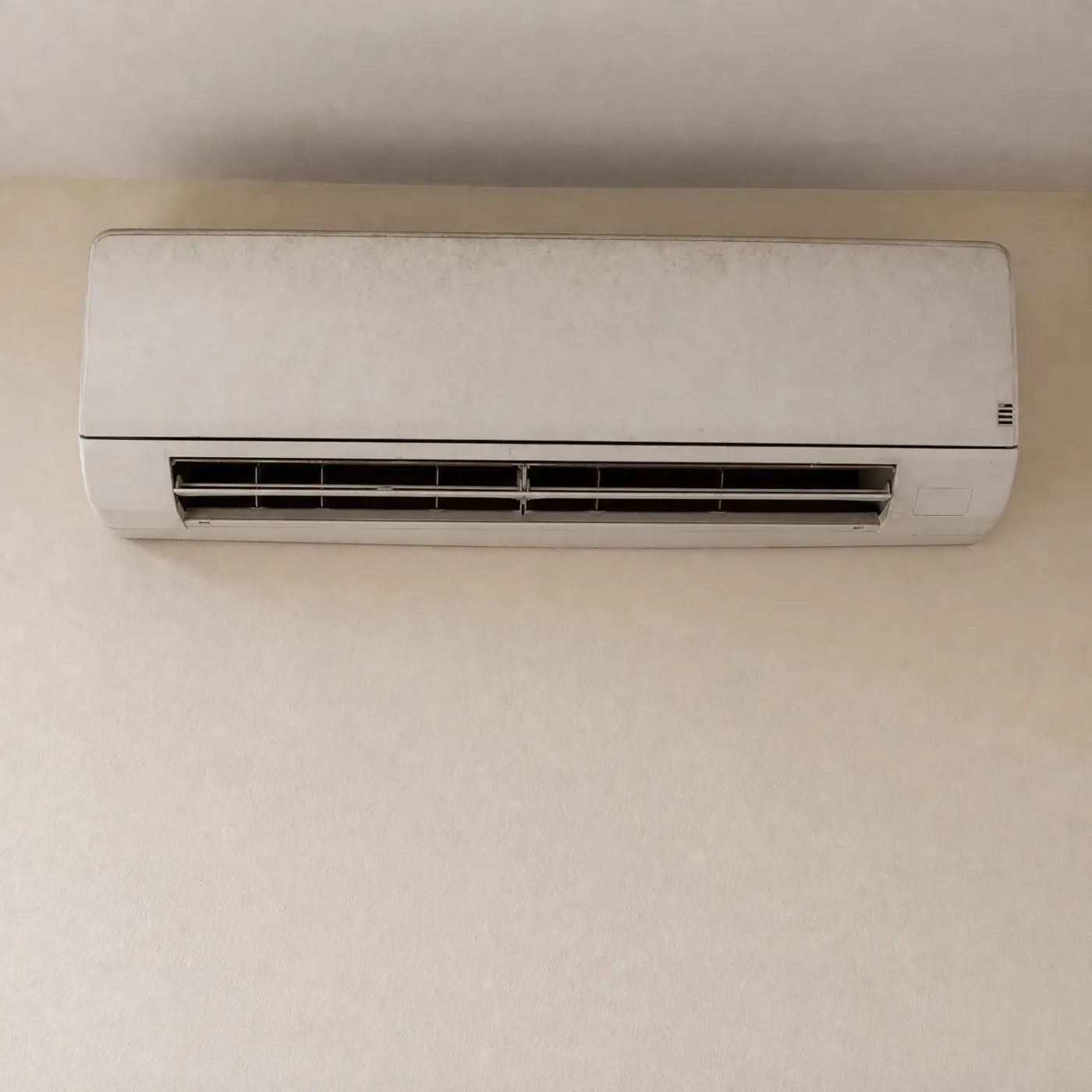
A white wall-mounted mini-split air conditioner indoor unit with visible dust and discoloration, installed near the ceiling on a plain beige wall.

Dusty and blocked

Dust has built up across the front panel and packed into the louvers. Airflow drops, so the unit pulls harder to push out the same heat, and a winter's worth of buildup like this is usually what maintenance catches before it costs you more.

A closed dark laptop and a ceramic mug of coffee on a wooden dining table, with wooden chairs, a dark kitchen cabinet with cutting boards and a potted plant, and a leafy plant by a window in the background.

What a strained mini split costs you this winter

A mini split that's working too hard doesn't quit outright. It runs longer, pulls more power doing it, and still leaves a room that feels a few degrees short of what you set. You'll notice it most on the coldest nights, when you're home and the house is quiet enough to hear the outdoor unit straining. Left alone, that strain adds up on an electric heat bill over a whole North Carolina winter, and it puts wear on a compressor that's supposed to last for years.

Finding someone to look at it is its own chore. You'd normally be calling around, explaining the same thing to three different companies, waiting on quotes that don't match up. This connects you with one local contractor who services mini splits every winter in this climate and knows which part usually gives out first when a unit's been neglected. No comparing bids, no repeating yourself. Just someone who shows up knowing the equipment.

A living room corner with a beige sofa and cushion, a round wooden coffee table holding a pale ceramic vase of eucalyptus stems and a wooden bowl, and a curtained window with a potted plant above a latticed radiator cover in the background.

Power costs 14.00 cents per kilowatt-hour statewide

At 14 cents a kilowatt-hour, your mini split's setting has a real effect on the bill, not just the comfort. Every degree it works harder to reach on a cold night pulls more power at that same rate, so holding a steady, reasonable setting is what keeps the cost down.

EIA-861 2025 statewide residential average

A steady setting, somewhere in the high 60s, run without jumping around, is what gets your mini split through a North Carolina winter without strain. That's the whole answer. What you do with it is keep the unit clean and let someone check it before the cold nights pile up, because a mini split that's been looked at by someone who works on these year-round catches the weak spots before they cost you a cold room. A local contractor who services this equipment every winter knows which part tends to go first on a system like yours, and you're dealing with one contractor instead of sorting through calls from several. No chasing quotes, no explaining the same thing twice to different companies. Set the temperature, keep it steady, and get the unit looked at. That's where you stand going into the cold months.

A covered porch with a wood front door with six upper glass panes, a lantern wall sconce, tapered column on a stone base, potted ferns and flowers, a woven doormat, and wide steps leading to a paver walkway bordered by shrubs and white hydrangeas.
A beige upholstered sofa with a cream cushion and chunky knit throw sits beside a white-framed window, with a leafy potted plant in a stone vase against a tan wall.
Sunlit corner of a room with a linen curtain beside a window, built-in shelves holding ceramic vases, wooden bowls, a potted green plant, stacked books and a woven basket, above a textured rug.
A dark wood three-drawer dresser against a pale wall holds a tall ceramic vase with leafy branches, stacked books and a shallow bowl, with a framed print above, a woven basket on the wood floor at left, and an upholstered sofa with a green pillow in the foreground.
A cream upholstered sofa with a textured ivory cushion and a rust-colored cushion sits beside a window with sheer linen curtains, with a potted leafy plant behind it and a wooden bowl on a wood table in the foreground.

One form, no calling around

Only one pro gets your request, so you hear from one company.

Answer a few questions

Asking costs nothing, and the choice to hire stays yours.