One unit, two jobs
A single mini split head can heat and cool the room it's in, so it covers your summer humidity problem and takes work off the furnace the rest of the year.

A mini split works alongside your furnace instead of replacing it. Most homes in North Carolina heat with electricity, and the furnace stays in place to handle the coldest stretches or back up the system, while the mini split takes over day to day heating and cooling in the room or zone it's installed in. The real reason people add one here is summer. North Carolina summers get sticky, and a mini split cools and pulls humidity out of a room the furnace was never built to handle, since a furnace only heats. For this to work right, the mini split needs its own dedicated circuit and a line set run to the outdoor unit, and it has to be sized for the specific room, not guessed at. Get that wrong and you end up with a unit that short cycles or can't keep up. Done right, you get a furnace for winter and a mini split that handles comfort the rest of the year.
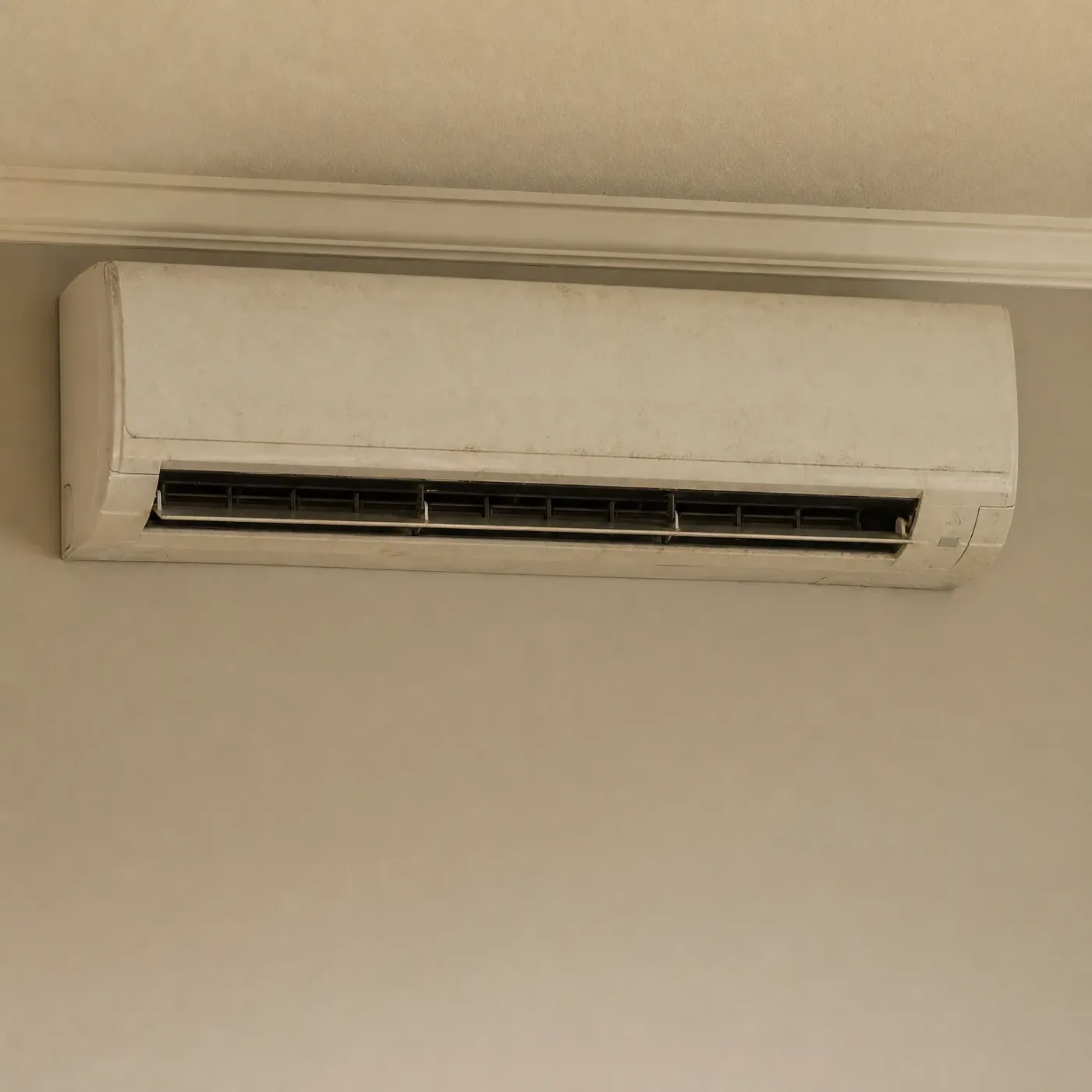
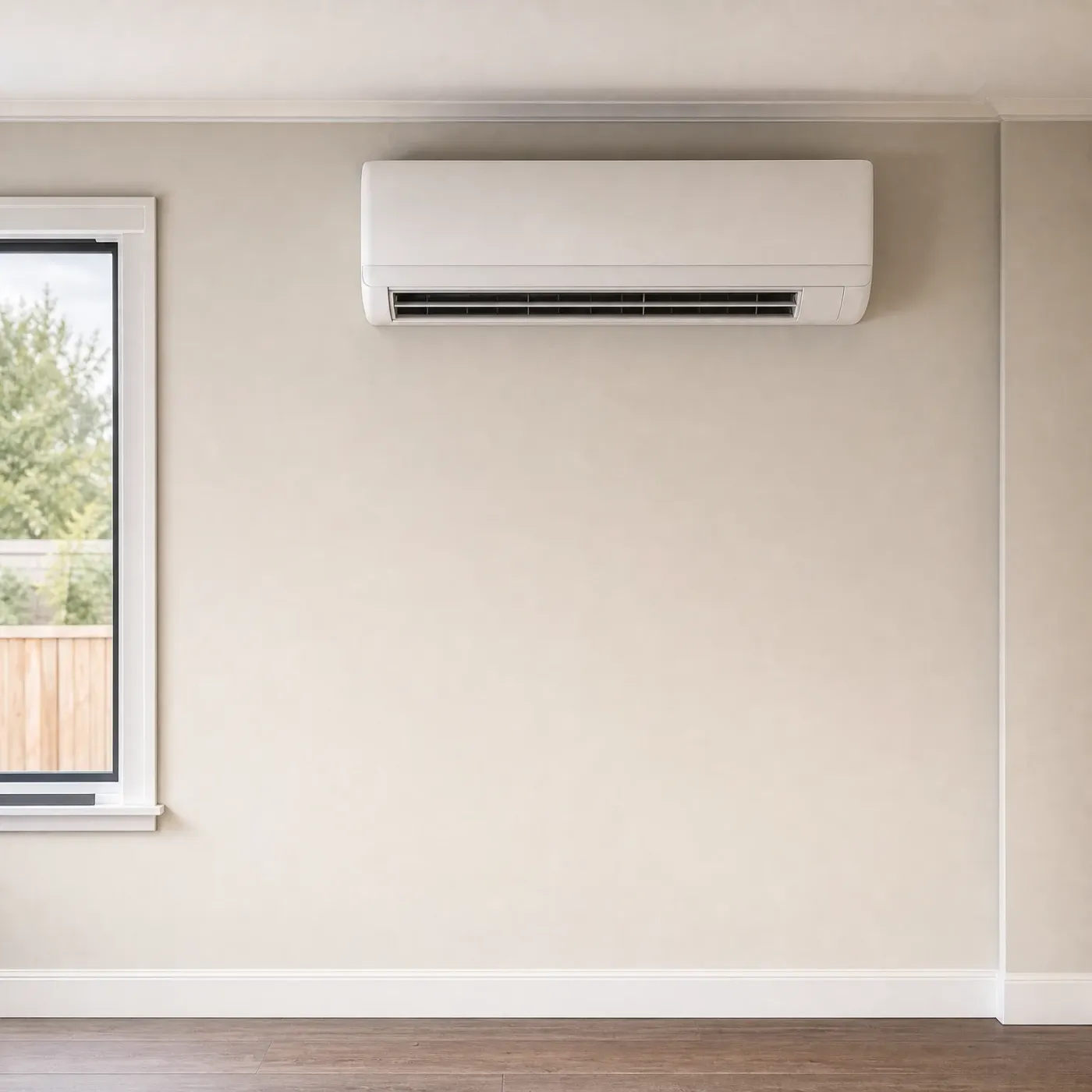
A single mini split head can heat and cool the room it's in, so it covers your summer humidity problem and takes work off the furnace the rest of the year.
A mini split runs on its own line set, not your duct system, so installation doesn't depend on what condition your ducts are in or where they run.
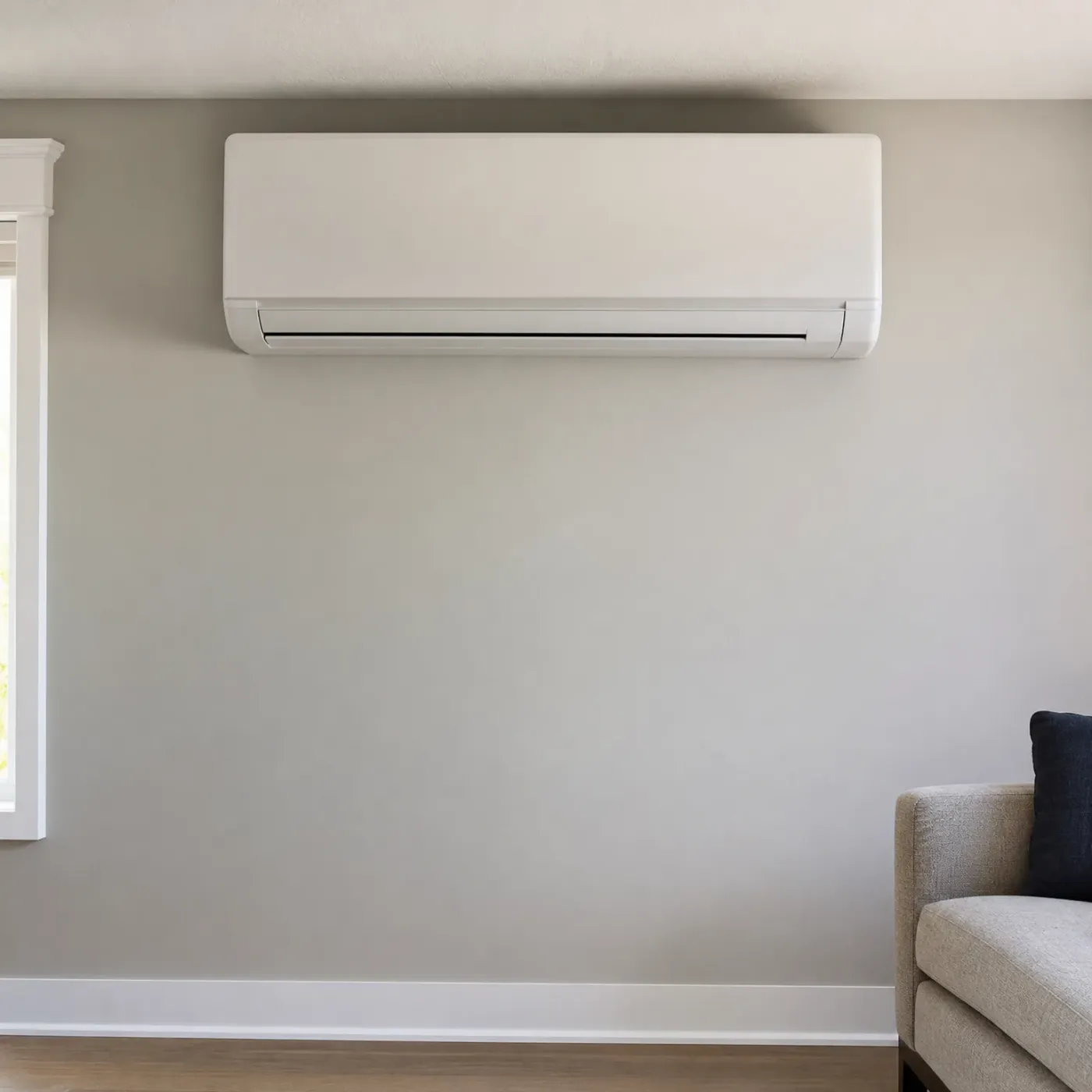
A mini split that gets serviced keeps its coil and filters clear, so it pulls moisture out of the air the way it's supposed to all summer. The room stays even, and the unit isn't straining to push air through a clogged vent.
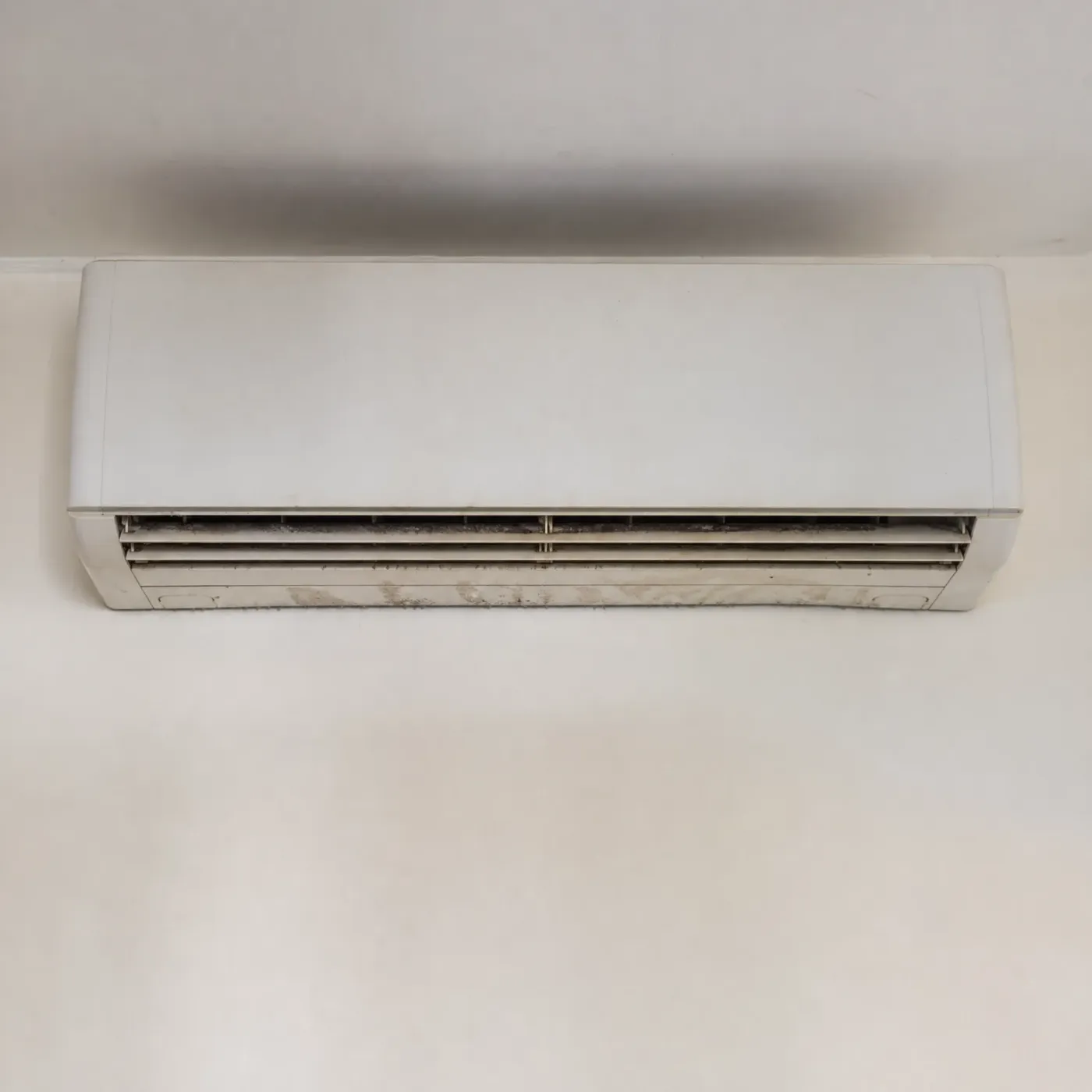
Skip the upkeep and dust settles into the vents and lower casing, then mold follows in a unit that's damp half the year from North Carolina humidity. It still runs, but it's pushing air through buildup instead of cooling the room.




One installer gets your project, so there's no bidding war over it.
No charge to send it. You decide if you hire them.
A contractor checks where the indoor head and outdoor condenser will go.
The outdoor unit gets set on a pad or wall bracket outside.
A hole is drilled through the wall for the line set.
Refrigerant lines, wiring and a drain line run between both units.
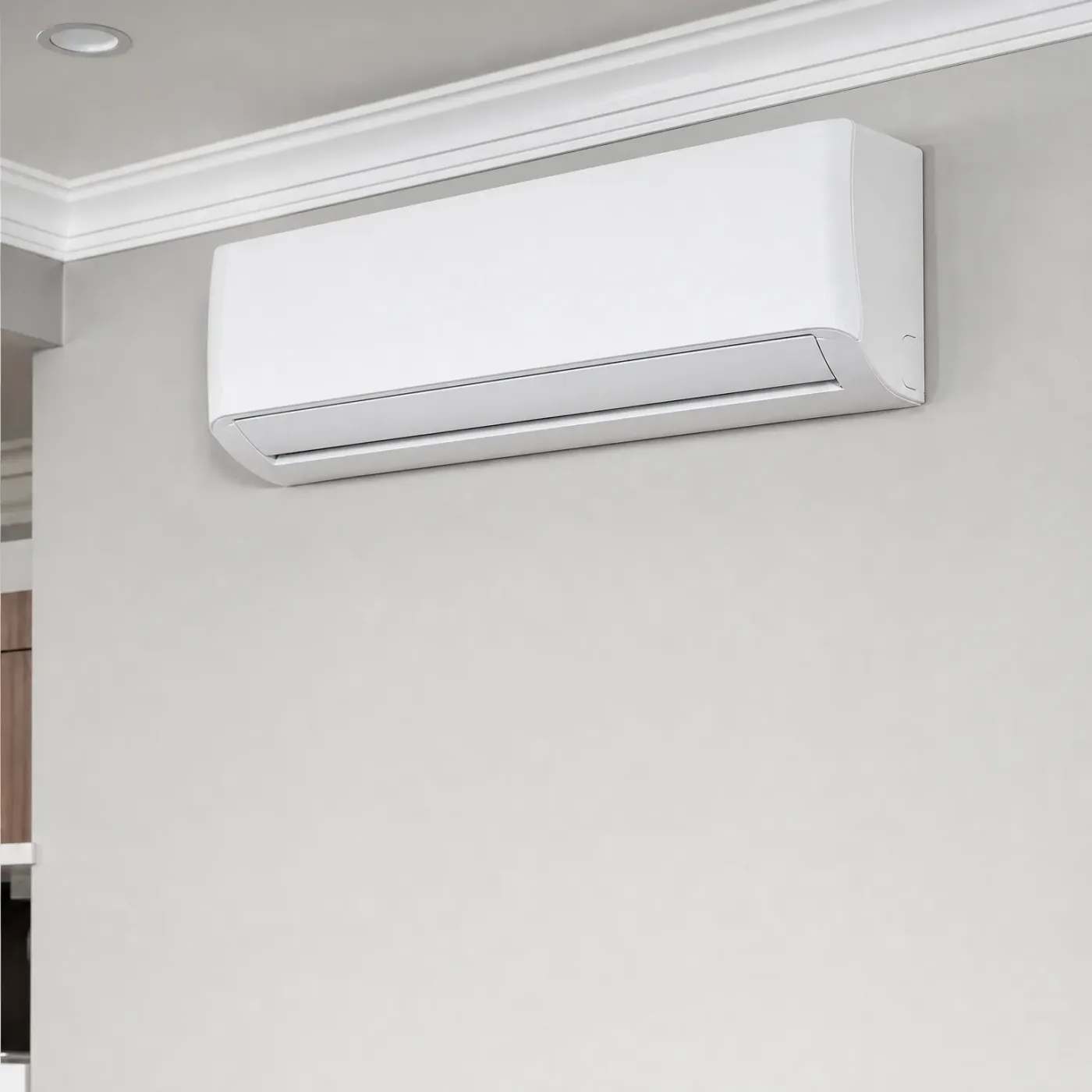
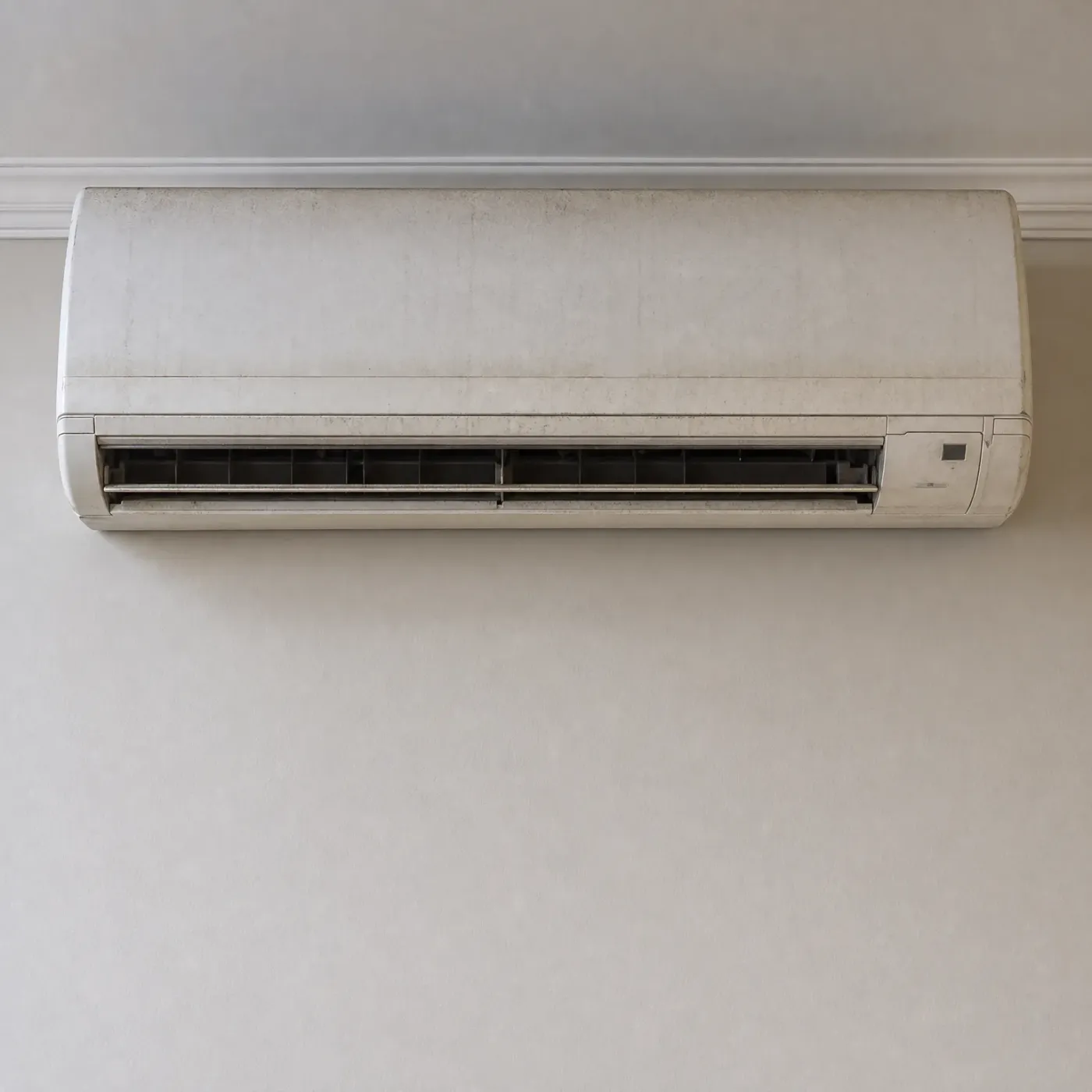
Installing a mini split is more than mounting a head on the wall and running a line outside. The line set has to be sized right and pulled down to a proper vacuum before it's charged, or refrigerant works its way out slowly and the unit quietly loses capacity over time. The wall sleeve where the lines pass through needs a tight seal, because North Carolina summers mean humid air and insects are both trying to get through that same gap. Where the indoor head goes matters too. Hang it where it fights a draft or sits too close to the thermostat and it short cycles, turning on and off more than it should, which pushes your electric bill up without making the room any more comfortable. The condensate drain line has to be pitched so water runs out and away, not back into the wall or onto the floor under the unit. Outside, the condenser needs real clearance around it. Set too low or crowded against a wall, it can ice up in winter or pull in leaves and debris that shorten its life. None of this shows up on the day the unit gets installed. It shows up months later, in a room that never quite cools right, a bill that creeps up, or a repair that traces back to how the lines were run. A contractor who sizes the unit, sets the lines, and seals the sleeve correctly the first time is what keeps all of this from becoming your problem later.
At 14 cents per kilowatt-hour, running a mini split in North Carolina costs about what most electric bills already assume. Since the mini split handles the bulk of your heating and cooling, that rate applies to the unit doing most of the daily work, not just backup power for the furnace.
EIA-861 2025 statewide residential average
A mini split has to be matched to the room it's heating and cooling, not just the house as a whole. Too big and it short cycles, shutting off before it pulls the humidity out of the air. Too small and it runs constantly through a Carolina summer without ever catching up. A contractor who installs these regularly works out the load for that specific room, including windows and exposure, before picking a unit.
Once the mini split is in, it needs to work alongside the furnace rather than against it. That means the furnace still handles the coldest days or the rooms the mini split doesn't reach, and the two aren't fighting over the same thermostat call. Getting that balance right takes someone who understands both systems, not just the mini split on its own, so the furnace keeps doing its job when it's needed.

A mini split installed correctly sits on a matched line set, holds its charge, and keeps the room even through a sticky Carolina summer without short cycling. Your furnace stays where it is, doing what it's always done on the coldest days. That's the whole arrangement working the way it should.
Getting there means the sizing, the line set and the vacuum all have to be right the first time, and that's not something to leave to guesswork. A local contractor who installs these year-round in North Carolina homes knows what trips up a job like this and how to avoid it before the unit ever runs. Once you're matched, that one contractor reaches out to you directly, so you're dealing with someone who knows your situation, not a line of competing calls.






The pro who reaches out is licensed in North Carolina.
There's no charge for the request.